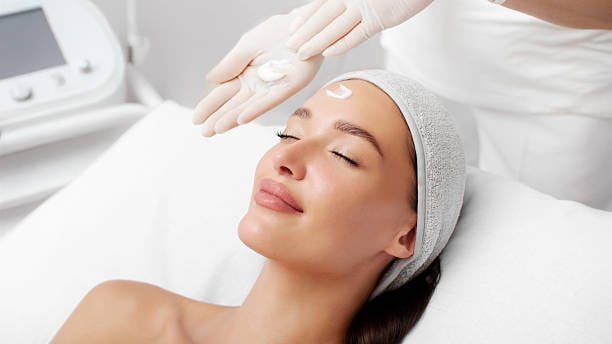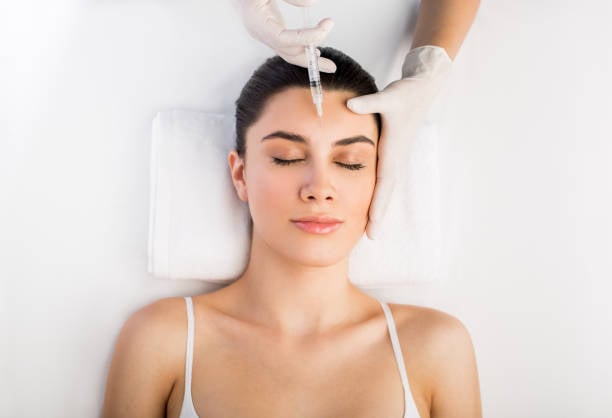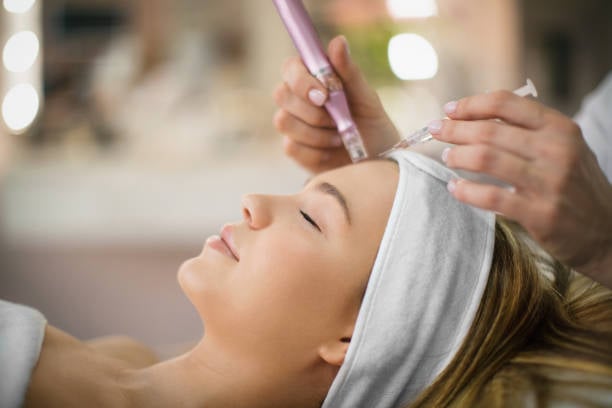
Microneedling is becoming one of Phoenix’s most popular skin treatments because it stimulates the body’s natural collagen response with relatively little downtime. Traditional SkinPen Microneedling improves acne scars, pores, fine lines, and texture, while RF microneedling adds radiofrequency energy for deeper remodeling, firmness, and mild skin tightening. A lot of skincare trends arrive with a …
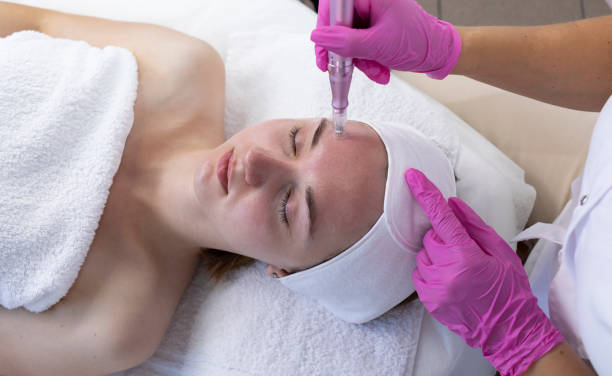
Microneedling is becoming one of Phoenix’s most popular skin treatments because it stimulates the body’s natural collagen response with relatively little downtime. Traditional SkinPen Microneedling improves acne scars, pores, fine lines, and texture, while RF microneedling adds radiofrequency energy for deeper remodeling, firmness, and mild skin tightening.
A lot of skincare trends arrive with a dramatic launch, flood social media for a season, and then quietly disappear.
Microneedling has taken a different path.
It has remained popular because the treatment is not built around disguising the skin or creating an instant, artificial change. It works by prompting the skin to repair and strengthen itself.
That approach appeals to many Phoenix patients who want to improve acne scars, enlarged pores, rough texture, fine lines, and early laxity without looking overdone or putting life on hold for an extended recovery.
At Skin Theory Aesthetics, Heather Starks, PA-C offers both SkinPen Microneedling and Vybe RF Microneedling. The two treatments share a collagen-stimulating foundation, but they are not identical. Understanding the difference helps patients choose the right approach for their skin rather than simply following the latest trend.
Why Microneedling Is Growing in Popularity
Patients are becoming more thoughtful about aesthetic care.
Many are moving away from the idea that every concern needs to be covered, filled, frozen, or aggressively resurfaced. They want healthy-looking skin that still behaves and looks like their own.
Microneedling fits that shift because it can improve several concerns through the body’s natural healing process.
Depending on the type of treatment, microneedling may help address:
- Acne scars
- Uneven texture
- Enlarged-looking pores
- Fine lines
- Early wrinkles
- Mild skin laxity
- Crepey skin
- Dullness
- Overall skin quality
The results are gradual, which is one of the treatment’s strengths.
You do not leave looking like a different person. Your skin begins to look smoother, firmer, and more refined as collagen develops over the following weeks and months.
Why Phoenix Skin Needs a Thoughtful Approach
Arizona’s climate is part of the reason treatments such as microneedling have become so relevant locally.
Phoenix residents regularly face:
- Intense ultraviolet exposure
- Low humidity
- Dry heat
- Frequent outdoor activity
- Dehydration
- Cumulative sun damage
- Constant transitions between outdoor heat and indoor air conditioning
These conditions can weaken the skin barrier, contribute to collagen breakdown, and make existing texture or pigmentation concerns more noticeable.
A patient may use high-quality products consistently and still feel that the skin looks rough, tired, or uneven. That is not necessarily a failure of the skincare routine.
Topical products work primarily at or near the surface. Microneedling creates a controlled response within the skin, allowing it to address structural concerns that a moisturizer or serum cannot fully correct on its own.
That said, microneedling does not replace sunscreen or daily skincare. In Phoenix, professional treatments and sun protection have to work together.
How Traditional Microneedling Works
Microneedling uses a professional device fitted with fine, sterile needles.
As the device moves across the treatment area, the needles create controlled microchannels in the skin. These tiny injuries activate a natural wound-healing response.
The skin moves through several stages:
- An initial inflammatory response signals that repair is needed.
- Fibroblasts and other repair processes become more active.
- New collagen and elastin begin forming.
- The tissue gradually remodels and strengthens.
The goal is not to damage the skin indiscriminately. It is to create a precise, controlled stimulus at a depth selected for the patient’s concern.
Professional microneedling can be adjusted according to:
- Treatment area
- Scar depth
- Skin sensitivity
- Skin tone
- Desired outcome
- Previous response
- Downtime tolerance
This is one reason professional treatment is different from rolling an at-home device across the face.
What Is SkinPen Microneedling?
SkinPen is an FDA-cleared microneedling device used to create controlled microchannels without radiofrequency energy.
It relies on mechanical collagen induction alone.
SkinPen Microneedling may be an excellent choice for patients concerned with:
- Acne scars
- Enlarged-looking pores
- Fine lines
- Uneven texture
- Rough skin
- Early signs of aging
- General skin rejuvenation
Because it does not add thermal energy, SkinPen is often selected for patients whose primary concerns involve surface texture, scars, and overall skin quality rather than deeper tightening.
It is also an appealing entry point for patients who are new to collagen-stimulating procedures.
What Makes RF Microneedling Different?
RF microneedling combines controlled needle penetration with radiofrequency energy.
With Vybe RF Microneedling, the needles enter the skin at a customized depth and deliver thermal energy into the dermis. This adds a second form of stimulation to the treatment.
Traditional microneedling creates mechanical micro-injuries.
RF microneedling creates mechanical micro-injuries plus targeted heat.
The heat can produce a stronger remodeling response in deeper tissue, making RF microneedling especially useful for:
- Mild to moderate laxity
- Crepey skin
- Deeper texture concerns
- Acne scars
- Fine lines and wrinkles
- Enlarged pores
- Loss of firmness
- Early jawline softening
- Face and neck rejuvenation
The extra energy does not automatically make RF microneedling better for every patient. It simply makes it suited to a different range of concerns.
SkinPen vs. RF Microneedling
Patients often ask which treatment is best.
The honest answer depends on what you want to improve.
| Treatment Factor | SkinPen Microneedling | Vybe RF Microneedling |
| Primary action | Mechanical collagen induction | Mechanical needling plus RF heat |
| Best for | Acne scars, pores, fine lines, texture | Texture, scars, firmness, mild laxity |
| Treatment depth | Customized mechanical treatment | Customized depth plus thermal energy |
| Downtime | Often mild redness for 1 to 3 days | Often redness and swelling for 1 to 3 days |
| Typical plan | Often a series of 3 | Often a series of about 3 or more |
| Results | Smoother, healthier-looking skin | Texture improvement plus deeper remodeling |
SkinPen may be the stronger fit when acne scars, pores, or surface texture are the primary concern.
Vybe RF may be recommended when the patient also wants more firmness, deeper collagen support, or improvement in mild laxity.
Some patients may benefit from using both at different points in a long-term skin plan. More treatment is not automatically better, though. The right choice starts with a clear assessment.
Why RF Microneedling Appeals to Phoenix Patients
Phoenix patients often want a treatment that creates meaningful improvement without requiring them to disappear for two weeks.
RF microneedling fits that need well.
It offers:
- Gradual collagen renewal
- Natural-looking changes
- Relatively short social downtime
- Customizable treatment depths
- Treatment of several concerns in one plan
- No added filler volume
- No surgical incision
- Results that continue developing after the appointment
It also fits the current preference for regenerative aesthetics.
Instead of adding something beneath the skin to create immediate volume, RF microneedling encourages the skin to rebuild its own structural support.
That does not make fillers or injectables bad treatments. It means they solve different problems.
The Benefits of RF Microneedling
Smoother Skin Texture
Texture changes can come from acne, sun exposure, enlarged pores, collagen loss, or years of environmental stress.
RF microneedling creates a remodeling response beneath the surface, which may help the skin feel smoother and look more even over time.
Patients often notice that makeup sits better after the skin has healed and collagen development begins.
Acne Scar Improvement
Depressed acne scars form when inflammation disrupts collagen during the healing process.
RF microneedling for acne scars can create controlled injury within and around the scar tissue, encouraging the skin to replace disorganized collagen with a healthier matrix.
It may help improve:
- Rolling scars
- Shallow boxcar scars
- Uneven acne-related texture
- Enlarged pores associated with acne-prone skin
Very deep ice-pick scars may require a different or combined approach.
No responsible provider should promise that one treatment will erase every scar.
Fine Lines and Wrinkles
RF microneedling does not freeze facial movement.
Instead, it can support the tissue beneath fine lines by encouraging collagen and elastin production.
It is often used for lines around the:
- Eyes
- Mouth
- Cheeks
- Forehead
- Neck
- Décolleté
Lines caused primarily by muscle movement may respond better to Botox or Jeuveau. RF microneedling addresses skin quality, while neuromodulators address repetitive contraction.
Mild Skin Tightening
Radiofrequency energy can support collagen contraction and longer-term remodeling.
Patients with mild laxity may notice:
- Firmer-feeling skin
- Improved jawline definition
- Less crepiness
- Better neck texture
- More resilient skin
RF microneedling does not produce the same lift as surgery. It is best suited to mild or moderate concerns and realistic goals.
Refined Pores
Pores do not literally open and close, but their appearance can become more noticeable when the surrounding skin loses support or texture becomes uneven.
As collagen develops around the treated areas, pores may look smaller and less prominent.
More Even-Looking Tone
Microneedling may improve the overall appearance of tone by supporting skin renewal.
However, pigmentation needs careful evaluation.
Melasma, sun spots, and post-inflammatory hyperpigmentation do not all behave the same way. Heat can aggravate melasma in some patients, so RF microneedling is not automatically the right pigmentation treatment for everyone.
Chemical peels, VI Peel, medical-grade skincare, or a more conservative protocol may be more appropriate depending on the cause.
Healthier Overall Skin Quality
Some patients do not have a single dramatic concern.
They simply feel that their skin looks tired, rough, or less resilient than it once did.
Microneedling can help support a refreshed appearance without changing facial shape or expression.
That subtlety is part of its appeal.
Does Microneedling Improve Product Absorption?
Microneedling temporarily creates channels in the skin, but this does not mean patients should apply ordinary skincare products immediately afterward.
Freshly treated skin is more vulnerable to irritation and contamination.
Only provider-approved products should be used during the early healing period. Heather may recommend a simple, controlled post-treatment routine designed to support recovery without overwhelming the skin.
The idea that every serum becomes better because it penetrates more deeply is misleading.
Products formulated for routine use on intact skin may not be appropriate for freshly treated tissue.
Who Is a Good Candidate for RF Microneedling?
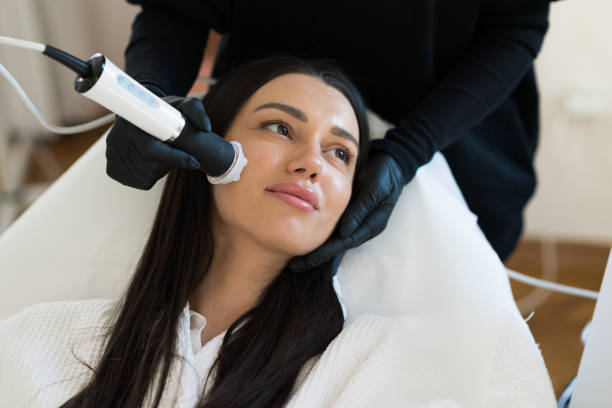
RF microneedling may suit adults who want natural collagen renewal without surgery or lengthy recovery.
You may be a good candidate if you have:
- Mild to moderate acne scars
- Enlarged-looking pores
- Rough or uneven texture
- Fine lines
- Early wrinkles
- Mild skin laxity
- Crepey skin
- Loss of firmness
- Realistic expectations
- The ability to follow aftercare instructions
It can also be used as preventative collagen support for some patients who are beginning to notice subtle skin changes.
There is no required age to begin. The decision should be based on the skin, not a birthday.
Who May Need to Delay Treatment?
RF microneedling may need to be postponed or avoided in patients with:
- Active acne inflammation in the treatment area
- Active skin infection
- Open wounds
- Recent sunburn
- Certain medical conditions
- A history of poor wound healing
- Some implanted electrical or medical devices
- Certain medications
- Pregnancy-related restrictions
- Unrealistic expectations
This list is not exhaustive.
A medical consultation is needed to determine whether treatment is appropriate.
Is RF Microneedling Safe for Darker Skin Tones?
RF microneedling can be appropriate for a broad range of skin tones because radiofrequency energy is not dependent on targeting pigment in the same way some light-based treatments are.
Still, “safe for all skin types” is too broad a promise.
Needle depth, energy, treatment intensity, sun exposure, pigmentation history, and aftercare all matter. Patients with a history of post-inflammatory hyperpigmentation need careful planning.
Provider experience and customized settings are essential.
What Happens During an RF Microneedling Appointment?
Step 1: Consultation and Skin Evaluation
Your visit begins with a discussion of your concerns, goals, health history, and previous treatments.
Heather may evaluate:
- Skin tone
- Skin thickness
- Acne scar pattern
- Degree of laxity
- Pigmentation
- Sensitivity
- Current skincare
- Medications
- Sun exposure
- Healing history
- Upcoming events
- Downtime tolerance
This assessment determines whether Vybe RF, SkinPen, or another treatment is the better choice.
Step 2: Comfort Preparation
A topical numbing cream is generally applied before treatment.
It is left on long enough to reduce discomfort in the treatment area. Timing may vary, but preparation often takes approximately 20 to 30 minutes or longer.
Numbing does not make every sensation disappear. Most patients describe the treatment as manageable warmth, pressure, or prickling.
Step 3: Customized Treatment
Heather moves the device across the skin using settings selected for the treatment area and concern.
Different areas may require different depths or energy levels.
The cheeks, for example, may tolerate a different protocol than the forehead or neck. Acne scars may also require a more targeted approach than general rejuvenation.
Including numbing and preparation, the appointment may take approximately 60 to 90 minutes.
Step 4: Immediate Post-Treatment Care
After treatment, the skin may look red, warm, or mildly swollen.
Only recommended soothing and hydrating products should be applied.
Your provider will explain what to use, what to avoid, and when to resume your normal routine.
What Does RF Microneedling Feel Like?
Comfort varies by area and individual sensitivity.
Patients commonly describe:
- Warmth
- Prickling
- Pressure
- A vibrating sensation
- Brief sharper moments over bony areas
A topical numbing cream helps make treatment more comfortable.
The goal is not to “push through” unnecessary pain. Patients should communicate what they feel so the provider can respond appropriately.
What Is the Downtime?
Most patients experience a few days of visible recovery rather than a long period of true downtime.
Common temporary effects include:
- Redness
- Mild swelling
- Warmth
- Sensitivity
- Tightness
- Dryness
- Light flaking
- Pinpoint marks
Redness often resembles a mild sunburn and may improve within one to three days. More intensive treatments can take longer to settle.
Patients should plan around their own comfort level. Some return to work the next day. Others prefer to schedule treatment before a quiet weekend.
How to Prepare for RF Microneedling
Follow Heather’s specific instructions, which may include:
- Avoiding sunburn and tanning
- Pausing retinoids or exfoliating acids
- Avoiding waxing in the treatment area
- Disclosing medications and supplements
- Arriving with clean skin
- Staying well hydrated
- Planning around important events
- Avoiding treatment over active infection
Do not stop prescribed medication unless the clinician who manages it tells you to do so.
RF Microneedling Aftercare in Phoenix
Phoenix aftercare requires special attention because heat and UV exposure can complicate recovery.
Protect the Skin From Sun
Use the sunscreen recommended by your provider once it is appropriate to apply.
Also use:
- Hats
- Shade
- Sunglasses
- Indoor scheduling when possible
- Reduced outdoor exposure during peak heat
Freshly treated skin should not be exposed to a day at the pool, a long hike, or hours of direct Arizona sun.
Keep Skincare Simple
During early healing, use only provider-approved products.
You may need to pause:
- Retinoids
- Exfoliating acids
- Scrubs
- Benzoyl peroxide
- Strong vitamin C formulas
- Fragranced products
- Other potentially irritating actives
Do not rush back into your normal routine because the skin “feels fine.”
Avoid Heat and Sweating
Temporarily avoid:
- Hot yoga
- Saunas
- Steam rooms
- Hot tubs
- Strenuous outdoor workouts
- Heavy sweating
- Excessive heat exposure
Heat can intensify redness and irritation.
Wait Before Applying Makeup
Many patients are advised to avoid makeup for at least 24 hours, although the timeline may vary.
Makeup brushes and sponges should be clean before they touch recently treated skin.
Stay Hydrated
Drink water and use recommended barrier-supporting skincare.
Phoenix’s low humidity can make post-treatment tightness and dryness feel more pronounced.
Do Not Pick or Scrub
Let dryness and flaking resolve naturally.
Scrubbing newly treated skin does not speed healing. It increases irritation.
When Will You See Results?
Microneedling results do not appear all at once.
First Few Days
The skin may have an early glow after redness settles.
This is not the final result.
Weeks 2 to 4
Patients may begin noticing:
- Smoother texture
- Better radiance
- Less roughness
- Early pore refinement
Weeks 4 to 12
Collagen development becomes more noticeable.
Fine lines, scars, firmness, and overall texture may continue improving.
Three to Six Months
Deeper remodeling can continue for several months after a completed treatment series.
Progress photos are helpful because gradual changes can be hard to appreciate in the mirror each morning.
How Many RF Microneedling Treatments Are Needed?
Many patients benefit from an initial series of approximately three treatments spaced four to six weeks apart.
Some may need fewer. Others with deeper acne scars or more advanced texture concerns may benefit from additional sessions.
The correct number depends on:
- Baseline skin condition
- Scar depth
- Degree of laxity
- Treatment area
- Age
- Healing response
- Lifestyle
- Desired improvement
One treatment may create visible freshness, but significant structural remodeling usually requires consistency.
How Long Do RF Microneedling Results Last?
Results vary, but collagen improvements may remain visible for a year or longer in some patients.
Natural aging continues, and Phoenix sun exposure does not take a break.
Longevity depends on:
- Number of treatments
- Treatment intensity
- Age
- Skin quality
- Sun protection
- Smoking
- Weight changes
- Skincare
- Hormonal changes
- Maintenance
Many patients consider one or two maintenance treatments per year, although the right schedule is individual.
How Much Does RF Microneedling Cost in Phoenix?
Pricing depends on:
- Treatment area
- Number of sessions
- Device used
- Treatment intensity
- Provider expertise
- Package options
- Whether the face, neck, or multiple areas are treated
Because Skin Theory Aesthetics customizes treatment plans, the most useful pricing information comes after Heather evaluates your skin and determines which form of microneedling fits your goals.
A less expensive treatment that does not match the concern is not a better value.
RF Microneedling vs. Chemical Peels
RF microneedling and chemical peels treat different layers and concerns.
RF Microneedling Is Often Better For:
- Acne scars
- Collagen loss
- Mild laxity
- Enlarged pores
- Deeper texture
- Fine lines
Chemical Peels Are Often Better For:
- Dullness
- Sun spots
- Pigmentation
- Melasma, when appropriately selected
- Congestion
- Surface texture
Some patients benefit from both treatments in a carefully staggered plan.
RF Microneedling vs. Botox or Jeuveau
RF microneedling supports the skin itself.
Botox and Jeuveau reduce muscle movement.
RF Microneedling May Improve:
- Texture
- Pores
- Scars
- Collagen
- Firmness
- Fine lines related to skin quality
Neuromodulators May Improve:
- Forehead lines
- Frown lines
- Crow’s feet
- Other movement-related wrinkles
Combining them can address different causes of aging without asking one treatment to do everything.
RF Microneedling vs. Subnovii Plasma Pen
RF microneedling is generally used for broader areas and deeper remodeling.
Subnovii Plasma Pen offers precise surface contraction for smaller, targeted areas.
Vybe RF May Be Better For:
- Face and neck
- Acne scars
- Texture
- Pores
- Mild laxity
- Broader collagen support
Subnovii May Be Better For:
- Upper eyelids
- Fine lines around the mouth
- Small areas of crepey skin
- Targeted surface tightening
The treatments also involve different recovery experiences.
Common Microneedling Mistakes to Avoid
Choosing the Treatment by Name Alone
Not everyone searching for “microneedling” needs RF energy.
Some patients are better suited to SkinPen. Others may need a chemical peel, injectable, or different plan.
Expecting One Session to Erase Scars
Acne scars usually require a series and realistic expectations.
Improvement is the goal. Complete erasure is rarely realistic.
Ignoring Sunscreen
Collagen-stimulating treatments cannot outrun repeated UV damage.
This is especially true in Phoenix.
Applying Unapproved Products Too Soon
The skin is temporarily more vulnerable after treatment.
Using strong or non-sterile products can create irritation or complications.
Treating Active Acne
Microneedling over inflamed or infected acne may worsen irritation or spread bacteria.
Acne should be stabilized before scar treatment begins.
Choosing a Provider Based Only on Price
Needle depth, RF energy, treatment pattern, sterility, skin tone, and aftercare all affect safety and results.
The device matters. The person controlling it matters more.
Why Provider Experience Matters
Microneedling is not simply moving a pen across the face.
A qualified provider must decide:
- Which device to use
- Whether RF is appropriate
- Safe needle depth
- Appropriate energy
- Number of passes
- Treatment pattern
- How to approach scars
- How to protect pigmentation-prone skin
- When to stop
- What aftercare to recommend
Heather Starks, PA-C brings medical training, aesthetic education, and a calm, detail-oriented approach to treatment at Skin Theory Aesthetics.
She takes time to understand what the patient wants, examine the skin, and choose a plan that supports natural improvement without unnecessary aggression.
Why This Treatment Trend Has Staying Power
Microneedling is popular, but its value is not based solely on popularity.
It addresses concerns many patients genuinely struggle with, including scars, texture, pores, early laxity, and loss of skin resilience.
It also reflects a larger shift in aesthetics.
Patients want to look refreshed, not replaced.
They want treatments that work with their biology, fit into real life, and create improvements that make sense for their age and features.
Microneedling checks many of those boxes.
Skin Health That Starts Below the Surface
Great skincare products remain important. They help protect the barrier, support hydration, manage pigment, and maintain results.
But some concerns begin deeper than a topical product can reach.
SkinPen and Vybe RF Microneedling create controlled collagen stimulation for patients who need more than surface care but do not want surgery or prolonged recovery.
If you are considering microneedling in Phoenix, schedule a personalized consultation with Skin Theory Aesthetics near the Camelback Corridor.
Heather Starks, PA-C will evaluate your skin, explain the difference between SkinPen and RF microneedling, and recommend a plan focused on healthy skin and natural-looking results.
Frequently Asked Questions
Why is microneedling becoming so popular in Phoenix?
It offers natural collagen stimulation with manageable downtime and can address concerns frequently seen in Phoenix, including sun-related texture changes, acne scars, fine lines, pores, and early laxity.
What is RF microneedling?
RF microneedling combines controlled needle penetration with radiofrequency energy delivered into the dermis to support deeper collagen remodeling and mild tightening.
How is RF microneedling different from SkinPen?
SkinPen uses mechanical microneedling alone. RF microneedling adds thermal energy, which may make it more suitable for laxity, deeper texture concerns, and broader remodeling.
Does radiofrequency increase microneedling downtime?
It may increase redness, warmth, or swelling depending on the treatment settings. Most patients experience several days of visible recovery rather than prolonged downtime.
Does RF microneedling thin the skin?
No. The purpose is to stimulate collagen and support dermal remodeling. Excessive or poorly performed treatment can still damage the skin, which is why proper settings and provider training matter.
Does microneedling increase product absorption?
It temporarily creates microchannels, but patients should use only provider-approved products during recovery. Applying ordinary skincare too soon can cause irritation.
Will one treatment fix my texture or scars?
One session may produce early improvement, but most patients benefit from a series. Acne scars and deeper concerns commonly require multiple treatments.
How many RF microneedling sessions do I need?
Many patients begin with about three sessions spaced four to six weeks apart. Deeper scars or more advanced concerns may require additional treatments.
When will I see RF microneedling results?
An early glow may appear within days. Texture may begin improving within a few weeks, while deeper collagen remodeling develops over two to six months.
How long do results last?
Results may remain visible for a year or longer, depending on age, treatment plan, sun exposure, skincare, and maintenance.
Is RF microneedling painful?
Topical numbing makes treatment manageable for most patients. Common sensations include warmth, pressure, prickling, and brief sharper feelings over sensitive areas.
How much downtime is there?
Redness, warmth, mild swelling, or dryness may last one to three days or longer, depending on treatment intensity and individual response.
Can I wear makeup after treatment?
Many patients are advised to wait at least 24 hours. Follow your provider’s specific instructions and use clean makeup tools.
Is RF microneedling safe for darker skin tones?
It may be appropriate for many skin tones when settings are customized carefully. Pigmentation history, sun exposure, and aftercare still need to be considered.
Can RF microneedling treat melasma?
It is not automatically the best choice. Heat may aggravate melasma in some patients. A professional evaluation should determine whether a peel, skincare, microneedling, or another approach is safer.
Can RF microneedling treat active acne?
It is generally better to control active, inflamed acne before treating acne scars with microneedling.
Can I combine RF microneedling with Botox?
Yes. RF microneedling treats skin quality and collagen, while Botox treats muscle-related lines. Your provider will determine safe timing.
Can I combine it with chemical peels?
Yes, but not necessarily during the same appointment. The treatments are usually spaced to avoid excessive irritation.
Can RF microneedling tighten loose skin?
It may improve mild to moderate laxity by stimulating collagen and tissue remodeling. It cannot reproduce the lifting effect of surgery for severe sagging.
What should I avoid after treatment?
Avoid direct sun, excessive heat, strenuous exercise, harsh skincare, picking, scrubbing, and unapproved products for the period recommended by your provider.
The original blog and supplemental recommendations were reviewed and incorporated into this expanded version.