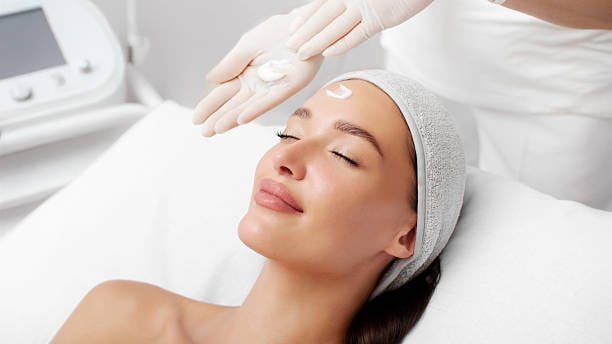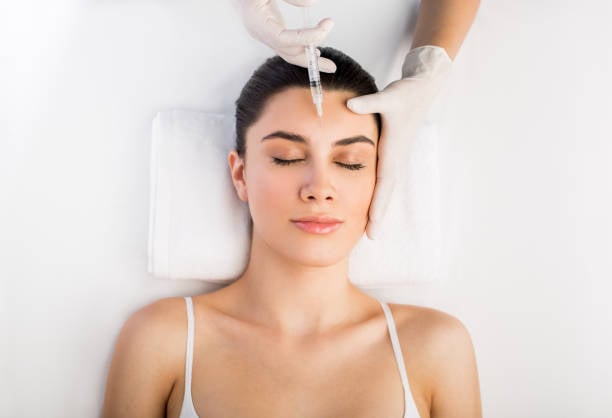
Acne may be gone, but sometimes it leaves a reminder behind. Indented scars, enlarged-looking pores, rough texture, and uneven skin can linger long after the last breakout clears. And while a good skincare routine still matters, there comes a point where another serum simply can't rebuild the structural changes responsible for an acne scar. That's …
Acne may be gone, but sometimes it leaves a reminder behind.
Indented scars, enlarged-looking pores, rough texture, and uneven skin can linger long after the last breakout clears. And while a good skincare routine still matters, there comes a point where another serum simply can’t rebuild the structural changes responsible for an acne scar.
That’s where microneedling can become useful.
At Skin Theory Aesthetics, we offer both SkinPen Microneedling and Vybe RF Microneedling in Phoenix, AZ. They’re not interchangeable treatments, and neither should automatically be considered the “better” option.
The right choice depends on what you’re actually trying to improve, including the type and depth of your acne scars, your skin tone, whether laxity is part of the concern, your tolerance for downtime, and your overall treatment goals.
Featured Snippet: What Is the Best Microneedling for Acne Scars?
The best microneedling treatment for acne scars depends on the scar type and depth. Traditional SkinPen Microneedling can improve certain atrophic acne scars and overall texture, while RF microneedling adds controlled radiofrequency energy at depth. Deep ice-pick or tethered rolling scars may require other treatments instead of microneedling alone.
How Does Microneedling Improve Acne Scars?
Microneedling is often called collagen induction therapy, which is a pretty good description of what we’re trying to accomplish.
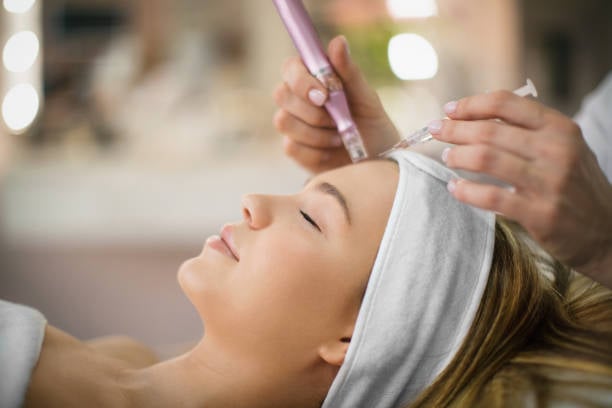
A professional microneedling device uses small needles to create controlled micro-injuries in the skin. Those injuries initiate a wound-healing response that includes new collagen formation and tissue remodeling.
The goal isn’t to “fill” an acne scar during your appointment.
It’s to encourage the skin to gradually remodel over time.
That’s an important distinction because microneedling results aren’t instant. You may notice changes in how the skin looks and feels relatively early, but meaningful remodeling of acne scars develops over weeks and months.
And no, more injury isn’t automatically better.
The treatment has to be aggressive enough to create an appropriate response while remaining controlled enough to protect the surrounding skin.
First, What Kind of Acne Scars Do You Actually Have?
One of the biggest mistakes in acne scar treatment is treating every indentation as though it’s the same problem.
It’s not.
Atrophic, or indented, acne scars are generally categorized as rolling, boxcar, or ice-pick scars. Many patients have more than one type.
That matters because the treatment that improves one type may barely touch another.
Rolling Acne Scars
Rolling scars create broad, shallow depressions that can make the skin look wavy or uneven, particularly when light hits the face from the side.
Some rolling scars are tethered to deeper tissue by fibrous bands.
Microneedling may improve collagen and texture, but significant tethering can limit how much the surface can lift. In those cases, a procedure such as subcision may need to be discussed with an appropriately trained provider.
Boxcar Acne Scars
Boxcar scars tend to have wider depressions with more defined edges.
Shallower boxcar scars may respond well to collagen-induction treatments such as microneedling. Deeper scars can be more challenging and may require combination treatment.
Ice-Pick Acne Scars
Ice-pick scars are narrow, deep indentations that look almost as though the skin has been punctured.
These are usually the scars we don’t want to oversell microneedling for.
Because the scar extends deeply through a very narrow opening, treatments such as TCA CROSS or certain surgical techniques may be more appropriate for selected ice-pick scars. Microneedling can potentially play a supporting role in an overall scar plan, but it isn’t necessarily the primary solution.
Red and Brown Acne Marks Aren’t Actually Scars
This distinction saves a lot of frustration.
A flat red or brown mark left behind after acne isn’t the same thing as an indented scar.
Brown marks may represent post-inflammatory hyperpigmentation. Red or pink marks can represent persistent vascular changes after inflammation.
You can have both discoloration and true acne scarring at the same time, but they don’t necessarily respond to the same treatment.
If the problem is pigment, repeatedly needling it because you think it’s a scar may be solving the wrong problem.
Acne Scar Type and Treatment Options at a Glance
| Concern | What It Looks Like | Where Microneedling May Fit |
| Rolling scars | Broad, wavy depressions | Microneedling may improve texture, but tethered scars may need subcision |
| Shallow boxcar scars | Wider depressions with defined edges | Often reasonable candidates for collagen-induction treatments |
| Deep boxcar scars | Deeper, sharply defined depressions | May require more intensive or combination treatment |
| Ice-pick scars | Narrow, deep pits | Microneedling alone may have limited benefit |
| Brown acne marks | Flat discoloration | Pigment-focused treatment may be more appropriate |
| Red acne marks | Flat pink or red areas | May require a different approach from collagen remodeling |
The takeaway is simple: match the treatment to the scar, not the trend.
SkinPen Microneedling: Traditional Collagen Induction
SkinPen is a professional microneedling device that creates controlled microchannels using a sterile, single-use needle cartridge.
It doesn’t add heat or radiofrequency energy.
That relative simplicity is one of the reasons traditional microneedling remains such a useful treatment.
For an appropriate patient, SkinPen can be considered for concerns such as:
- Atrophic acne scars
- Uneven skin texture
- Fine lines and wrinkles
- Overall skin quality
SkinPen is FDA cleared for specific indications, including treatment of facial acne scars in adults. Like any medical device, however, it should be used according to its authorized indications and by an appropriately trained provider.
Who Might Be a Good Candidate for SkinPen?
At Skin Theory, we may consider SkinPen when someone wants collagen remodeling without adding RF energy to the treatment.
It can be particularly appealing when the primary concern is acne scarring or texture rather than skin laxity.
Someone might come in saying:
“I don’t really want to tighten my face. I just want these old acne scars to stop catching the light.”
That’s a different goal from someone concerned about acne scars plus mild laxity through the cheeks and lower face.
Different problem, different conversation.
Vybe RF Microneedling: Microneedling Plus Radiofrequency Energy
Vybe RF Microneedling combines needles with radiofrequency energy.
The needles enter the skin and deliver controlled RF energy at depth, creating thermal effects within the treated tissue.
That additional energy changes the treatment considerably.
Rather than simply creating mechanical micro-injuries, RF microneedling combines needling with controlled heating, which can be useful when collagen remodeling and mild skin laxity are both part of the treatment goal.
Potential concerns considered for RF microneedling may include:
- Acne scarring
- Uneven texture
- Fine lines
- Mild skin laxity
- Overall skin rejuvenation
But stronger doesn’t automatically mean better.
And this is especially important now because the safety conversation around RF microneedling has changed.
An Important RF Microneedling Safety Update
In October 2025, the FDA issued a safety communication after receiving reports of serious complications associated with certain uses of RF microneedling devices.
Reported complications included burns, scarring, fat loss, disfigurement, and nerve damage.
The FDA specifically describes RF microneedling as a medical procedure, not simply a cosmetic treatment, and recommends seeking care from a licensed healthcare provider with training and experience using RF microneedling devices.
That doesn’t mean everyone should avoid RF microneedling.
It means the treatment deserves the same thoughtful approach we believe any energy-based medical procedure should receive.
Device selection, energy settings, treatment depth, facial anatomy, and provider experience matter.
At Skin Theory, we don’t believe the answer to every texture concern is “turn up the energy.”
SkinPen vs. Vybe RF Microneedling
| SkinPen Microneedling | Vybe RF Microneedling | |
| Technology | Mechanical microneedling | Microneedling plus RF energy |
| Heat | No RF heat | Controlled RF energy creates heat at depth |
| Acne scars | Can improve certain atrophic acne scars | May be considered for acne scars and deeper remodeling goals |
| Skin texture | Yes | Yes |
| Mild laxity | Not its primary mechanism | May be considered when mild laxity is also a concern |
| Recovery | Redness, sensitivity, and possible swelling | Redness, warmth, swelling, and sensitivity may occur |
| Treatment planning | Needle depth is customized | Needle depth and RF settings require customization |
| Main advantage | Collagen induction without RF energy | Combines mechanical needling with controlled thermal energy |
There isn’t a winner in this table.
There is only the treatment that makes more sense for the problem you’re trying to solve.
Is RF Microneedling Better for Deep Acne Scars?
Not automatically.
It’s tempting to think:
Deeper scar = stronger device = better result.
Acne scarring isn’t that simple.
Scar architecture matters. A deeply tethered rolling scar may need release beneath the skin. A narrow ice-pick scar may need a focal treatment. A shallow boxcar scar may respond well to traditional microneedling.
RF microneedling can be useful for certain acne scars, but adding heat doesn’t magically make every type of scar respond.
In fact, a systematic review and meta-analysis of randomized trials found traditional microneedling effective for acne scars, underscoring that RF isn’t automatically required for meaningful improvement.
This is why we prefer to start with the scar rather than the device.
How Many Microneedling Sessions Do You Need for Acne Scars?
Microneedling is usually a series treatment, especially for established acne scars.
Research evaluating traditional microneedling for acne scarring has commonly involved multiple sessions rather than one treatment. The exact number you need depends on scar type, severity, treatment depth, healing response, and whether another modality is being used.
A plan may involve approximately three or more treatments spaced several weeks apart, but that shouldn’t be treated as a guarantee or universal prescription.
Someone with mild uneven texture may need a very different plan from someone who spent years dealing with cystic acne and now has mixed rolling, boxcar, and ice-pick scars.
Why Not Schedule Treatments as Close Together as Possible?
Because healing is part of the treatment.
Collagen remodeling doesn’t finish when the redness disappears.
Giving tissue appropriate time between procedures allows the wound-healing process to progress before another controlled injury is introduced.
With microneedling, patience isn’t wasted time.
The healing period is part of the treatment.
When Will You See Microneedling Results?
You may notice your skin looking fresher or smoother before you’ve achieved meaningful acne scar remodeling.
Don’t confuse the early post-treatment “glow” with the final result.
Scar improvement takes longer because collagen has to be produced and remodeled.
In general, think in terms of weeks and months rather than days.
A good way to judge progress is with standardized photographs taken:
- Before your first treatment
- In similar lighting
- At similar angles
- Without filters
- At appropriate follow-up intervals
Bathroom mirrors are surprisingly bad progress trackers.
You see yourself every day, so gradual changes can be hard to notice.
Does Microneedling Completely Remove Acne Scars?
No, and anyone promising completely scar-free skin after a few microneedling sessions is setting the wrong expectation.
Microneedling can improve the appearance of certain acne scars.
How much improvement occurs varies considerably.
The goal is usually softer edges, shallower depressions, more even texture, and skin that reflects light more evenly.
Think improvement, not erasure.
That’s a more realistic goal, and frankly, a more responsible one.
When Microneedling Alone Isn’t Enough
Acne scar treatment often works best when the provider is willing to admit that one device can’t do everything.
Depending on your scar pattern, a broader plan may include procedures performed at Skin Theory or referral to another qualified medical professional for treatments outside our scope.
Subcision
Tethered rolling scars can be held down by fibrous tissue beneath the skin.
Subcision is designed to release those attachments.
If a scar is physically tethered downward, simply stimulating collagen above it may not completely address the underlying problem.
TCA CROSS
TCA CROSS is a focal chemical reconstruction technique sometimes used for narrow, deep acne scars such as ice-pick scars.
It isn’t the same thing as applying a conventional chemical peel across the entire face.
Chemical Peels
Chemical peels may be useful when acne scarring exists alongside concerns such as pigmentation, dullness, or superficial texture.
Again, the treatment needs to match the concern.
Pigment-Focused Skincare
If brown marks are making acne scarring look more noticeable, treating the discoloration may substantially improve the overall appearance even though the scar depth itself hasn’t changed.
Other Resurfacing Procedures
Certain scars may respond better to other resurfacing technologies or surgical scar treatments.
Sometimes the best recommendation isn’t another session with the device sitting in the treatment room.
Sometimes it’s a referral.
What Happens During a Microneedling Appointment?
Your treatment begins before the device ever touches your skin.
Heather Starks, PA-C first evaluates your skin, treatment history, acne activity, scar pattern, skin tone, and overall goals to determine whether microneedling is appropriate.
If you move forward, the process generally includes:
- Cleansing and preparing the treatment area.
- Applying topical numbing medication when appropriate.
- Allowing adequate time for numbing.
- Performing the treatment with settings selected for your skin and goals.
- Applying appropriate post-treatment care.
- Reviewing your at-home instructions before you leave.
You’ll likely feel pressure, vibration, or a scratching sensation with traditional microneedling.
RF microneedling may also produce a sensation of warmth.
Comfort varies by person and treatment intensity.
Is There Downtime After Microneedling?
Yes.
The original article said there was essentially no downtime beyond mild redness for up to 48 hours. That’s too absolute.
Microneedling is minimally invasive, but minimally invasive doesn’t mean nothing happened to your skin.
After traditional microneedling, you may experience:
- Redness
- Warmth
- Tightness
- Tenderness
- Mild swelling
- Dryness or flaking
The intensity and duration depend on treatment depth and individual response.
RF microneedling can also produce redness, warmth, swelling, tenderness, and other temporary changes. Because RF adds thermal energy, its safety profile and recovery considerations aren’t identical to traditional microneedling.
Plan for your skin to look treated.
If you have an important event, don’t gamble on being the person whose redness disappears fastest.
Phoenix Microneedling Aftercare Matters More Than You Think
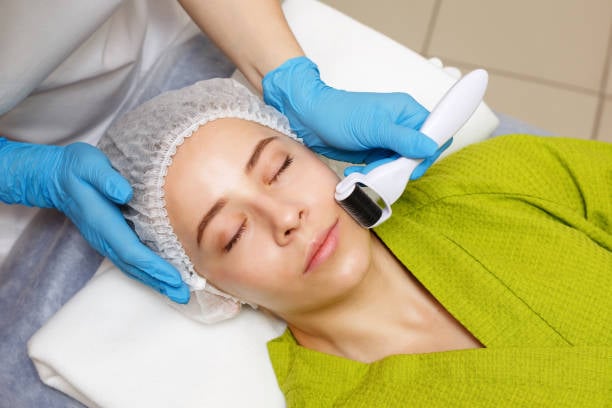
You just created controlled inflammation in your skin.
This is not the week to spend six hours beside a Scottsdale pool without a hat.
Phoenix sun exposure, heat, sweat, and outdoor activity need to be considered when scheduling treatment and planning recovery.
During the Early Recovery Period
Follow Heather’s specific aftercare instructions, which may include temporarily avoiding:
- Retinoids
- Exfoliating acids
- Scrubs
- Harsh cleansers
- Fragranced products
- Heavy exercise
- Saunas
- Hot yoga
- Swimming
- Picking or rubbing the skin
Use the post-treatment products your provider recommends.
Don’t decide that a little peeling means your skin needs help from an exfoliating scrub.
It doesn’t.
Be Serious About Sun Protection
UV exposure on recently treated skin isn’t something to take casually, particularly if you’re prone to hyperpigmentation.
Once your provider clears sunscreen application, use the recommended broad-spectrum sun protection and physical measures such as hats and shade.
Plan treatment around your actual lifestyle.
If you’re leaving for a Lake Havasu weekend or have three days of outdoor hiking planned, that probably isn’t the ideal time to squeeze in microneedling.
Can You Get Microneedling During Summer in Phoenix?
Potentially, yes.
The calendar itself isn’t the problem.
Your ability to protect healing skin is.
Someone who works indoors, follows aftercare carefully, and can minimize direct sun exposure may have a very different situation from someone who works outside all day.
Arizona summers simply make compliance more demanding.
If your lifestyle makes strict sun protection difficult, scheduling a series during a season when you’re naturally spending less time outdoors may be easier.
Is Microneedling Safe for Darker Skin Tones?
Traditional microneedling is often considered an appealing resurfacing option for darker skin tones because it doesn’t remove the epidermis in the same way as some more aggressive resurfacing procedures.
Research has supported its use in skin of color.
But the answer isn’t “there’s no risk of pigmentation.”
Post-inflammatory hyperpigmentation, or PIH, can occur after skin inflammation, and people with darker skin tones may be more susceptible to it. Studies of RF microneedling in skin of color have also reported transient PIH, although published reviews generally describe the overall risk as relatively low when treatment is appropriately performed.
Risk depends on factors such as:
- Skin tone
- Treatment depth
- RF energy settings when applicable
- Existing inflammation
- History of hyperpigmentation
- Sun exposure
- Aftercare
If every pimple leaves a dark mark on your skin for months, tell Heather.
That’s useful clinical information.
The goal isn’t to avoid treating darker skin.
It’s to treat it thoughtfully.
What About Melasma?
Melasma deserves its own conversation.
Someone with acne scars and a history of melasma shouldn’t automatically receive the same treatment plan as someone with scars and no pigment disorder.
Heat, inflammation, UV exposure, and visible light can all matter in melasma management.
If you have melasma or a history of stubborn hyperpigmentation, make sure that’s discussed before microneedling, particularly before considering an energy-based procedure such as RF microneedling.
Can You Microneedle Active Acne?
Usually, we don’t want to microneedle through active inflammatory or infected acne lesions.
The priority is getting the active disease under better control before aggressively treating the scars it left behind.
This is another reason a consultation matters.
There is a difference between an occasional small blemish and widespread active inflammatory acne. Heather can evaluate what is actually happening rather than applying a blanket rule from the internet.
And if your acne is severe, cystic, scarring, or medically complex, dermatologic treatment may need to come first.
Preventing the next scar is more valuable than treating one you’ve already developed.
Who May Need to Wait Before Microneedling?
Microneedling isn’t appropriate for everyone at every moment.
Treatment may need to be postponed or reconsidered with circumstances such as:
- Active skin infection
- Significant inflammatory acne in the treatment area
- Open wounds
- Certain active skin conditions
- History of problematic scarring or keloids
- Certain medications or medical conditions
- Recent procedures that haven’t fully healed
- Pregnancy, depending on the procedure and clinical circumstances
- An upcoming period of unavoidable heavy sun exposure
Tell your provider about your medical history, medications, supplements, previous procedures, and history of abnormal scarring.
Don’t independently discontinue a prescribed medication just to qualify for an aesthetic treatment.
What About Isotretinoin and Microneedling?
You may have heard a blanket rule that anyone who has taken isotretinoin must wait six months or longer before any procedure.
The evidence around procedural timing after isotretinoin has evolved, and recommendations can depend on the procedure being considered.
That doesn’t mean you should ignore isotretinoin history.
Tell Heather if you’re currently taking it or have taken it recently. Treatment timing should be decided based on your medication history, skin condition, procedure, and medical assessment rather than an outdated one-size-fits-all rule.
Can PRP or Growth Factors Make Microneedling Better?
This is an area where marketing often gets ahead of evidence.
Microneedling is sometimes combined with platelet-rich plasma, or PRP, and other topical products. Some studies suggest combination approaches may offer benefits for acne scarring, but the evidence isn’t strong enough to say every patient needs an add-on.
There’s another important safety consideration.
The FDA advises patients to ask what products are being applied to the skin during microneedling because microneedling devices aren’t necessarily authorized to deliver cosmetics, topical medications, vitamin solutions, drugs, or blood products into the skin.
So don’t assume that “more serums pushed through the channels” automatically means a better treatment.
Sometimes simpler is smarter.
At-Home Dermarolling vs. Professional Microneedling
They aren’t the same thing.
Professional microneedling involves controlled depth, sterile or appropriately managed equipment, clinical assessment, and a treatment plan based on your skin.
At-home rollers don’t offer the same level of depth control or clinical oversight and can introduce problems such as irritation, infection, and unintended injury when misused.
The FDA also distinguishes medical microneedling devices from shorter-needle products that don’t penetrate living skin.
For meaningful acne scar remodeling, this isn’t a procedure we’d try to recreate in the bathroom.
How Long Do Microneedling Results Last?
The collagen remodeling produced by microneedling isn’t something that simply switches off after three months like a neuromodulator.
But your skin continues aging.
UV exposure continues. Collagen changes over time. And if acne remains active, new scars can develop.
Long-term skin quality therefore depends on more than completing a treatment series.
Protecting your results may include:
- Daily sun protection
- Appropriate professional skincare
- Managing active acne
- Avoiding unnecessary skin trauma
- Periodic maintenance when appropriate
Treating the scars while allowing uncontrolled acne to create new ones is two steps forward, one step back.
How Much Does Microneedling Cost in Phoenix?
The price of microneedling in Phoenix varies depending on the technology, treatment area, provider, and whether you’re receiving traditional or RF microneedling.
RF microneedling is generally more involved than traditional microneedling because the device also delivers radiofrequency energy.
But cost per appointment isn’t the only number that matters.
Ask:
- Which treatment is actually being recommended?
- Why is it appropriate for my scar type?
- How many sessions are realistically anticipated?
- Are any add-ons included?
- What does the complete series cost?
- What happens if my scars don’t respond as expected?
Three sessions of the wrong treatment aren’t a bargain.
What Should a Microneedling Consultation at Skin Theory Include?
A useful acne scar consultation shouldn’t begin with:
“Which package would you like?”
It should begin with your skin.
At Skin Theory Aesthetics, Heather Starks, PA-C can evaluate:
- Scar type
- Scar depth
- Whether scars appear tethered
- Active acne
- Pigmentation
- Skin tone
- History of PIH
- Skin sensitivity
- Previous acne scar treatments
- Current skincare
- Medical history
- Downtime tolerance
- Sun exposure
- Your expectations
Lighting matters too.
Acne scars can look dramatically different under direct bathroom lighting than they do in angled light.
Baseline photos from consistent angles make it much easier to evaluate progress honestly.
SkinPen or Vybe RF: Which Would We Choose?
There isn’t one answer for every face.
If the main concern is atrophic acne scarring and texture and there’s no particular reason to add thermal energy, SkinPen may be a logical place to start.
If scarring exists alongside other concerns where RF remodeling may be useful, Vybe RF may enter the conversation after weighing the benefits and risks.
If your primary concern is deep ice-pick scars or significantly tethered rolling scars, the better recommendation may be something else entirely.
That’s an important part of Skin Theory’s approach.
The goal isn’t to find a reason to use the device. The goal is to find the right treatment for the skin in front of us.
Smoother Skin Takes Time
Acne scars have a frustrating way of sticking around long after the chapter that created them is over.
You don’t need to pretend they don’t bother you.
You also don’t need someone promising to erase them in one appointment.
Microneedling can be an effective, nonsurgical option for improving certain acne scars and uneven skin texture, but good results begin with identifying the scar correctly. SkinPen, Vybe RF, skincare, pigment correction, and combination treatment all solve different pieces of the puzzle.
At Skin Theory Aesthetics in Phoenix, Heather Starks, PA-C can evaluate your skin and help determine which approach makes sense for your scars, your skin tone, and your goals.
The best acne scar treatment isn’t necessarily the newest or most aggressive one.
It’s the one designed around the scar you actually have.
Frequently Asked Questions About Microneedling in Phoenix
Is microneedling good for acne scars?
Yes, microneedling can improve certain atrophic acne scars by stimulating collagen remodeling. Rolling and shallower boxcar scars may respond better than deep ice-pick scars, although individual results vary.
Does SkinPen work for acne scars?
SkinPen is FDA cleared for treatment of facial acne scars in adults. It uses controlled mechanical microneedling to stimulate a wound-healing response and collagen remodeling.
Is SkinPen better than RF microneedling for acne scars?
Neither is universally better. Traditional SkinPen Microneedling may be appropriate for certain atrophic scars and texture concerns, while RF microneedling adds controlled thermal energy. Scar type, skin tone, laxity, risk tolerance, and treatment goals should guide the choice.
Is RF microneedling safe?
RF microneedling is a medical procedure and should be performed by an appropriately trained, licensed healthcare provider. In October 2025, the FDA reported serious complications associated with certain uses, including burns, scarring, fat loss, nerve damage, and disfigurement. Benefits and risks should be discussed before treatment.
Is microneedling good for ice-pick scars?
Microneedling alone may provide limited improvement for deep ice-pick scars. Focal treatments such as TCA CROSS or certain surgical scar procedures may be more appropriate, depending on the scar.
Does microneedling work on rolling scars?
It can improve some rolling scars through collagen remodeling. However, rolling scars tethered by fibrous bands may require subcision or another approach to address the attachment beneath the skin.
Can microneedling treat boxcar scars?
Shallow boxcar scars may respond to microneedling. Deeper, sharply defined boxcar scars can be more difficult and may require combination treatment.
Does microneedling remove acne scars completely?
Microneedling can improve the appearance of certain acne scars, but it shouldn’t be expected to completely erase them. Scar type, depth, age, skin characteristics, and treatment plan all affect the outcome.
How many microneedling sessions do I need for acne scars?
Many treatment plans involve a series of approximately three or more sessions spaced several weeks apart, but there isn’t one correct number for everyone. Established or mixed acne scarring may require additional sessions or more than one treatment modality.
How long does it take to see microneedling results?
Some patients notice early changes in skin texture relatively soon, but collagen remodeling develops over weeks and months. Acne scar improvement should be judged over a longer timeline rather than immediately after treatment.
How much downtime is there after SkinPen?
Redness, warmth, tightness, mild swelling, dryness, and flaking can occur after treatment. Recovery varies with treatment depth and individual skin response, so don’t assume you’ll look completely untreated the following day.
Can I wear makeup after microneedling?
Follow your provider’s specific aftercare instructions. Makeup is generally avoided during the immediate post-treatment period while the skin barrier is recovering. The appropriate restart time depends on the procedure and your skin’s condition.
Can I exercise after microneedling?
Your provider may recommend temporarily avoiding strenuous exercise, excessive heat, and sweating during early recovery. This is especially relevant in Phoenix, where even an outdoor walk can become a high-heat activity during warmer months.
Can I get microneedling in the summer in Phoenix?
Yes, in appropriate circumstances, but sun avoidance and diligent protection are especially important during healing. If you can’t reasonably avoid significant outdoor exposure, another treatment date may make more sense.
Is microneedling safe for darker skin?
Microneedling has been successfully used in darker skin tones and may offer advantages over some more aggressive resurfacing procedures. However, post-inflammatory hyperpigmentation is still possible. Appropriate settings, patient selection, pigment history, and sun protection matter.
Can microneedling cause hyperpigmentation?
Yes, post-inflammatory hyperpigmentation is possible, although traditional microneedling generally has a favorable pigment safety profile when appropriately performed. Risk may be greater in people prone to PIH and after excessive inflammation or sun exposure.
Can microneedling make melasma worse?
Inflammation, heat, UV exposure, and visible light can influence melasma, so patients with melasma require careful treatment planning. Discuss your history before undergoing microneedling, particularly RF microneedling.
Can you microneedle over active acne?
Microneedling is generally avoided over active inflammatory or infected lesions. Controlling active acne first can also help prevent new scars from forming while existing scars are being treated.
Can I get microneedling while taking isotretinoin?
Don’t rely on an automatic six-month rule or assume treatment is safe without review. Current evidence has challenged some older blanket restrictions, but your medication history, skin condition, and planned procedure still need to be evaluated by a qualified clinician.
Does microneedling shrink pores?
Pores don’t literally open and close. Collagen remodeling and improved surrounding texture may make enlarged-looking pores less noticeable, but results vary.
Is microneedling painful?
Topical numbing is commonly used. Patients often describe pressure, scratching, or vibration during traditional microneedling. RF microneedling can also produce warmth. Comfort varies with the device, settings, treatment area, and individual sensitivity.
Is at-home dermarolling the same as professional microneedling?
No. Professional microneedling offers controlled treatment depth, appropriate equipment, clinical assessment, and medical oversight. At-home devices don’t provide the same level of control and can cause irritation, infection, or injury if misused.
Can PRP or growth factors be added to microneedling?
Some clinicians combine microneedling with PRP or other products, but add-ons aren’t automatically necessary or appropriate. The FDA advises patients to ask what substances are being used with microneedling because device authorization does not necessarily include delivery of cosmetics, drugs, vitamin solutions, or blood products.
How long do microneedling results last?
Collagen remodeling can create lasting improvement, but skin continues to age and new acne can create new scars. Sun protection, acne control, skincare, and appropriate maintenance help protect the improvement you’ve achieved.
How do I choose a microneedling provider in Phoenix?
Look for a qualified provider who evaluates scar type, skin tone, pigmentation risk, active acne, medical history, and treatment goals before recommending a device. For RF microneedling specifically, the FDA recommends seeking a licensed healthcare provider with training and experience using RF microneedling devices.