Featured Snippet RF microneedling combines tiny controlled needle punctures with radiofrequency energy delivered into the skin to stimulate collagen remodeling. Most patients receive a series of about three treatments spaced four to six weeks apart. Expect temporary redness, warmth, swelling, and sensitivity after treatment, followed by gradual improvements in texture, firmness, pores, and acne scars …
Featured Snippet
RF microneedling combines tiny controlled needle punctures with radiofrequency energy delivered into the skin to stimulate collagen remodeling. Most patients receive a series of about three treatments spaced four to six weeks apart. Expect temporary redness, warmth, swelling, and sensitivity after treatment, followed by gradual improvements in texture, firmness, pores, and acne scars over the following weeks and months. (Skin Theory Aesthetics)
You’ve done the research, looked at the before-and-after photos, and decided RF microneedling might finally be the treatment that addresses the texture, scars, pores, or early skin laxity your skincare routine hasn’t quite touched.
Then the practical questions begin.
Does it hurt? What will your face look like tomorrow morning? Can you wear makeup to work? How long should you stay out of the Phoenix sun? And when do the results actually show up?
Those are exactly the questions worth asking before treatment.
RF microneedling in Phoenix, AZ can produce meaningful improvements in skin quality, but the experience is much better when you understand the process instead of walking into the appointment hoping for the best.
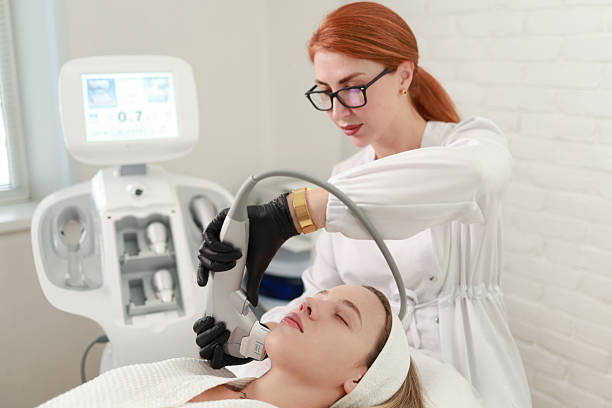
At Skin Theory Aesthetics, Heather Starks, PA-C uses Vybe RF Microneedling as part of a personalized approach to collagen stimulation and skin rejuvenation. Skin Theory recommends treatment according to the patient’s skin, goals, medical history, and desired level of correction rather than using the same settings or schedule for everyone.
What Is RF Microneedling?
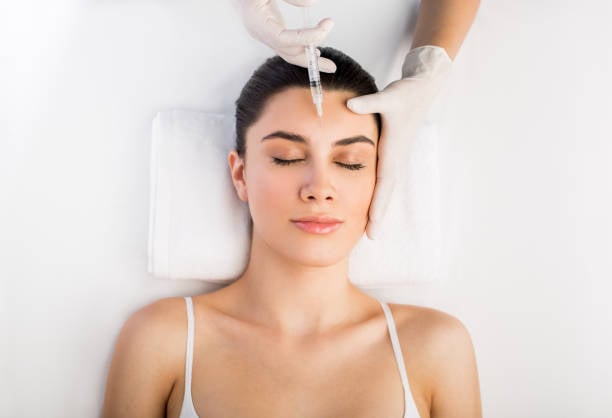
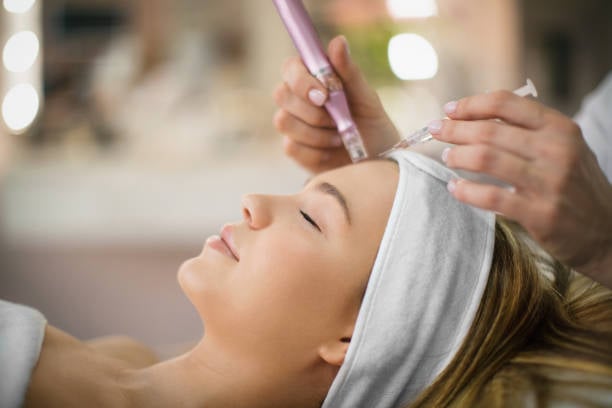
RF microneedling combines two technologies in a single treatment:
- Microneedling, which creates controlled microscopic punctures in the skin.
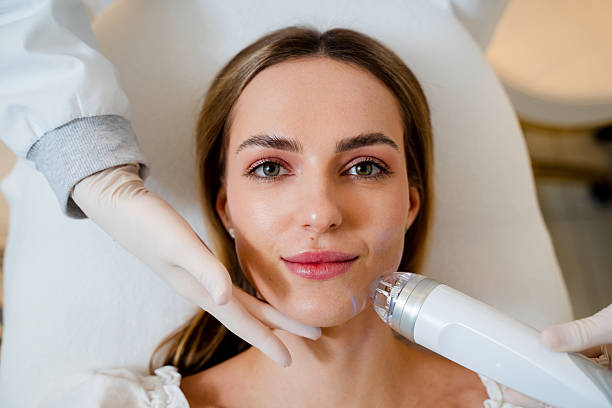
- Radiofrequency energy, which delivers controlled heat into targeted tissue beneath the surface.
Traditional microneedling relies primarily on the healing response created by the needles. RF microneedling adds thermal energy, allowing the treatment to affect deeper tissue and support additional collagen and elastin remodeling. FDA-authorized microneedling devices and RF microneedling devices have specific cleared indications, and the technology should be used by appropriately trained providers.
At Skin Theory Aesthetics, Vybe RF Microneedling uses a robotic precision delivery system with 36 gold-coated needles. The practice uses it for concerns including fine lines, wrinkles, acne scars, uneven texture, and changes in skin firmness.
How Does RF Microneedling Work?
The treatment intentionally creates a controlled healing response.
The needles enter the skin at a depth selected for the treatment area and concern. Radiofrequency energy is then delivered through those needles into targeted tissue.
Your body responds by beginning its normal wound-repair process, including collagen remodeling.
That remodeling does not happen overnight.
The reason RF microneedling results tend to look natural is that much of the improvement comes from gradual changes in the skin rather than an instant cosmetic alteration.
Clinical research supports fractional RF microneedling as an option for acne scarring and also suggests benefits for wrinkles, photoaging, skin laxity, and dermal remodeling, although protocols and outcomes vary between devices and patients.
What Can RF Microneedling Improve?
Vybe RF Microneedling may be considered for several common skin concerns.
Acne Scars
Indented acne scars are structural changes in the skin.
A topical serum can improve pigmentation or surface appearance, but it cannot fully remodel the scar architecture underneath. RF microneedling creates controlled injury within the affected tissue and encourages collagen remodeling over time.
A systematic review of fractional RF microneedling studies found evidence supporting its effectiveness for facial acne scarring, although researchers also noted that additional standardized trials are needed to refine treatment parameters.
Fine Lines and Wrinkles
As collagen and skin support change with age, fine lines can become more noticeable.
RF microneedling may improve skin quality around areas such as the:
- Cheeks
- Forehead
- Jawline
- Neck
- Décolleté
Wrinkles caused predominantly by repeated muscle movement, such as frown lines or crow’s feet, may also require Botox or Jeuveau because those treatments address a different mechanism.
Enlarged-Looking Pores
Pores do not physically open and close like doors.
However, their appearance may become more prominent when skin texture is uneven or the supporting tissue around them changes.
As the surrounding skin remodels, pores can appear more refined.
Uneven Texture
Texture concerns are one of the most common reasons patients seek microneedling.
RF microneedling may help skin look smoother and more cohesive by encouraging collagen remodeling beneath irregular surface texture.
Mild Skin Laxity
The added radiofrequency energy makes RF microneedling particularly interesting for patients who want more than surface-level texture improvement.
Research has reported improvements in measures of skin laxity, wrinkles, and dermal density following RF microneedling, although results vary based on device, treatment settings, anatomy, and individual healing.
This is still not a facelift.
RF microneedling may improve mild to moderate laxity, but it cannot remove substantial excess skin or reposition deeper facial structures.
Why RF Microneedling Makes Sense for Many Phoenix Patients
Phoenix is not exactly a forgiving environment for skin.
Strong sunlight, frequent outdoor exposure, and dry air can contribute to visible photoaging and make maintaining hydration more challenging.
That does not mean RF microneedling somehow “reverses the Arizona climate.” It means local treatment planning should take sun exposure, pigmentation history, outdoor activities, and barrier health into account.
For many Phoenix patients, the appeal is practical:
- No surgery
- Relatively short visible recovery
- Gradual, natural-looking improvement
- Treatment of multiple concerns in one plan
- Collagen stimulation rather than added facial volume
- Customizable treatment depth and energy
Skin Theory specifically positions Vybe RF Microneedling as a treatment for patients looking to improve texture, elasticity, fine lines, acne scars, and overall skin quality while maintaining a natural appearance. (Skin Theory Aesthetics)
RF Microneedling vs. Traditional Microneedling
Skin Theory offers both SkinPen Microneedling and Vybe RF Microneedling, so this is an important distinction.
| Feature | Traditional Microneedling | RF Microneedling |
| Main mechanism | Controlled mechanical micro-injuries | Mechanical micro-injuries plus RF energy |
| Best suited for | Texture, scars, pores, general rejuvenation | Texture, scars, firmness, mild laxity |
| Thermal energy | No | Yes |
| Collagen stimulation | Yes | Yes, with added thermal remodeling |
| Typical recovery | Usually brief | Usually brief, but may involve more warmth or swelling |
| Treatment choice | Based on skin and goals | Based on skin, goals, and need for deeper remodeling |
Neither treatment is automatically “better.”
If acne scars and texture are the primary concerns, traditional SkinPen Microneedling may be enough. If laxity, firmness, or deeper remodeling are also priorities, Vybe RF may make more sense.
The right treatment starts with the concern, not the device name.
Who Is a Good Candidate for RF Microneedling?
RF microneedling may be appropriate for adults concerned with:
- Acne scars
- Fine lines
- Rough or uneven texture
- Enlarged pores
- Early wrinkles
- Mild to moderate laxity
- Loss of firmness
- Crepey texture
- General skin rejuvenation
Skin Theory describes Vybe RF Microneedling as customizable across different ages, treatment areas, and skin tones, but individual candidacy still requires evaluation.
A consultation becomes especially important if you have:
- Active acne or infection in the treatment area
- Open wounds
- Recent sunburn
- A history of abnormal scarring
- A tendency toward pigmentation changes
- Certain implanted medical devices
- Certain health conditions
- Medications that affect healing or bleeding
- A recent aesthetic procedure
Do not assume that because RF microneedling is minimally invasive, everyone is automatically a candidate.
A Safety Update Worth Knowing About
This is an area where transparency matters.
In October 2025, the FDA issued a safety communication after receiving reports of serious complications associated with certain uses of RF microneedling devices. Reported complications included burns, scarring, fat loss, disfigurement, and nerve damage. The FDA advises patients to seek treatment from licensed providers who are trained and experienced with the specific device being used.
That does not mean RF microneedling is inherently unsafe.
It does mean this should be treated as a medical aesthetic procedure, not something to choose solely because a spa is offering the lowest promotional price.
Device settings, treatment depth, patient selection, anatomy, skin thickness, and provider experience matter.
Why Provider Experience Matters
The machine is only part of the treatment.
The provider determines:
- Needle depth
- RF energy
- Treatment pattern
- Number of passes
- Areas to avoid
- How aggressively to treat scar tissue
- How to adjust around thin or sensitive areas
- Whether RF microneedling is appropriate at all
Heather Starks, PA-C is a board-certified Physician Assistant and founder of Skin Theory Aesthetics. Skin Theory describes her as having approximately 20 years of medical experience, including Primary Care, Internal Medicine, and Medical Aesthetics.
Her approach centers on personalized care and natural-looking results rather than aggressive treatment for the sake of doing more.
What Happens Before RF Microneedling?
Preparation begins before you walk into the treatment room.
Step 1: Your Consultation
Heather will evaluate your skin and discuss what you actually want to improve.
That may include reviewing:
- Medical history
- Current medications
- Previous aesthetic treatments
- Skin tone
- Acne history
- Scar type
- Pigmentation history
- Current skincare
- Sun exposure
- Healing history
- Treatment goals
- Upcoming events
- Downtime tolerance
This is where expectations get realistic.
A patient hoping to soften shallow acne scars may have a very different treatment plan than someone concerned primarily with neck laxity.
Step 2: Adjust Your Skincare
Your provider may ask you to temporarily pause irritating active ingredients before treatment.
Depending on your routine, that could include:
- Retinoids
- Retinol
- Glycolic acid
- Salicylic acid
- Strong exfoliating products
- Physical scrubs
The exact timing should come from your provider because different products and skin types require different preparation.
Step 3: Avoid Sunburn and Tanning
Recently sunburned or irritated skin is not an ideal canvas for controlled injury.
Avoid tanning and excessive sun exposure before treatment according to your provider’s instructions.
This is especially relevant in Phoenix, where getting meaningful incidental UV exposure does not require spending a day at the beach.
A long hike, afternoon at the pool, or even several outdoor events can matter.
Step 4: Discuss Medications and Supplements
Tell your provider about medications and supplements that may affect bleeding, bruising, healing, or treatment safety.
Do not independently stop aspirin, anticoagulants, prescription medication, or medically necessary supplements just to prepare for an aesthetic procedure.
If a medication adjustment is appropriate, it should be coordinated with the clinician who prescribed it.
Step 5: Avoid Irritating Procedures
Waxing, aggressive exfoliation, chemical peels, and other procedures may need to be spaced away from RF microneedling.
Your provider can tell you how much time to leave between treatments.
What Happens on Treatment Day?
Knowing the sequence tends to make the appointment feel much less intimidating.
Your Skin Is Cleansed
The treatment area is thoroughly cleansed and prepared.
Makeup, sunscreen, oil, and debris need to be removed before treatment.
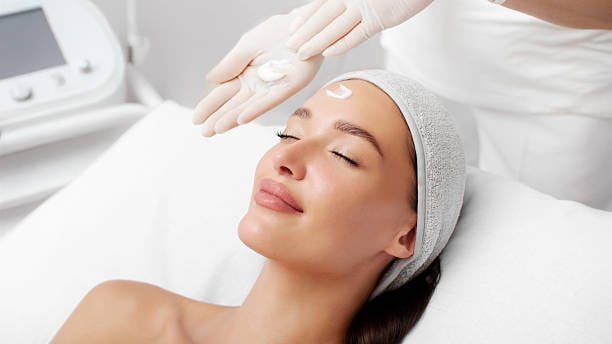
Topical Numbing Is Applied
A topical numbing agent is commonly applied before RF microneedling.
Skin Theory’s treatment experience includes time for numbing before the active procedure, helping make the session more comfortable.
The Treatment Is Customized
Once you are numb, Heather moves the device systematically across the treatment area.
Different parts of the face may require different settings.
The cheek does not have the same anatomy as the forehead. Scar tissue is not identical to healthy skin. The neck may need another approach entirely.
That is why customized settings matter.
What Does RF Microneedling Feel Like?
Even with numbing, you will probably feel something.
Patients commonly describe sensations such as:
- Pressure
- Warmth
- Prickling
- Vibration
- Brief sharper sensations over sensitive or bony areas
The FDA notes that microneedling treatments can cause discomfort and that topical anesthetic may be used depending on the procedure.
If something feels unusually painful, say so.
A professional treatment is not a contest to see how much discomfort you can tolerate.
How Long Does the Appointment Take?
Treatment time depends on the size and number of areas being treated.
A face-only appointment will naturally differ from a face, neck, and décolleté treatment.
The active procedure may take approximately 30 to 60 minutes, while the complete visit can run longer once cleansing, consultation, numbing, treatment, and aftercare are included.
The important point is to give yourself enough time that the appointment does not feel rushed.
What Happens Immediately After RF Microneedling?
Do not expect to walk out looking exactly as you did when you walked in.
Some temporary inflammation is normal.
Immediately after treatment, you may experience:
- Redness
- Warmth
- Mild swelling
- Tightness
- Tenderness
- Pinpoint marks
- Temporary sensitivity
Your skin may resemble a mild sunburn.
That reaction is part of the controlled response created by treatment.
RF Microneedling Recovery: Day by Day
Everyone heals differently, so this should be treated as a general guide rather than a guarantee.
Day 0: Treatment Day
Expect redness, warmth, and some tightness.
The skin can feel sensitive or sunburned.
This is not the night to experiment with a new serum, scrub, or active ingredient.
Follow the post-treatment routine Heather gives you.
Days 1 to 2
Redness and mild swelling may still be visible.
Some patients notice:
- Tightness
- Dryness
- A slightly rough texture
- Sensitivity
Keep your routine very simple.
The FDA advises patients to ask their health care provider which products are safe to use after microneedling because treated skin can temporarily become more sensitive to skincare products, sunscreen, makeup, retinol, glycolic acid, alcohol-containing products, and other ingredients.
Days 3 to 5
For many patients, redness has faded significantly by this stage.
Mild dryness or flaking may become more noticeable as the surface settles.
Many people feel comfortable returning fully to their normal social schedule during this window, although treatment intensity and individual healing vary.
Days 6 to 7
The skin typically looks much more settled.
You may begin noticing early improvements in smoothness and radiance, but this is only the beginning.
The deeper collagen response takes considerably longer.
How Much Downtime Is There?
“Minimal downtime” is more accurate than “no downtime.”
Some patients are comfortable returning to work the following day. Others prefer to schedule treatment before a weekend because they do not want to be seen with redness or swelling.
Expect visible recovery of roughly a few days for many treatments, but individual experiences vary based on:
- Treatment settings
- Treatment area
- Skin sensitivity
- Number of passes
- Baseline inflammation
- Healing response
The FDA lists common microneedling effects including redness, tightness, itching, peeling, bruising, bleeding, and temporary changes in appearance, while noting that more serious complications can occur.
Phoenix-Specific RF Microneedling Aftercare
This is where living in Arizona matters.
Keep Your Skincare Simple
Immediately after treatment, more products do not equal better healing.
Use only what Heather recommends.
A typical temporary approach may emphasize:
- Gentle cleansing
- Barrier support
- Hydration
- Appropriate moisturizer
- Sun protection when the skin is ready
Strong active ingredients should remain paused until your provider clears them.
Sun Protection Is Non-Negotiable
Microneedled skin can temporarily be more sensitive to sunlight.
In Phoenix, that means planning ahead.
During the early recovery period:
- Avoid unnecessary direct sun
- Wear a hat when appropriate
- Use shade
- Limit outdoor activities during peak exposure
- Use the sunscreen recommended by your provider when appropriate
Do not get RF microneedling on Thursday and spend Saturday lying beside the pool.
Your skin deserves better planning than that.
Avoid Excessive Heat
Your skin is already managing controlled inflammation.
Temporarily avoid adding more heat through:
- Hot yoga
- Saunas
- Steam rooms
- Hot tubs
- Very hot showers
- Prolonged outdoor exercise
- Strenuous workouts during early recovery
Follow the exact timeframe your provider gives you.
Don’t Pick or Scrub
If the skin becomes dry or flaky, leave it alone.
Scrubbing does not speed up healing.
It can create unnecessary irritation.
Be Careful With Makeup
Many providers recommend waiting approximately 24 hours or until the skin has sufficiently recovered before applying makeup, although your personal instructions should take priority.
When you do resume makeup:
- Use clean brushes
- Use clean sponges
- Avoid heavy rubbing
- Remove makeup gently
Recently treated skin deserves a clean environment.
Stay Hydrated
Phoenix air can make post-treatment dryness feel more noticeable.
Drink adequate water and use the barrier-supporting products recommended for your skin.
Hydration cannot replace proper aftercare, but it certainly belongs in it.
When Will You See RF Microneedling Results?
There are really two categories of results.
Early Results
Skin Theory notes that patients may notice improvements in texture and tone within approximately one to two weeks.
That can include:
- A fresher appearance
- Smoother-feeling texture
- More radiance
These early changes are not the finished result.
Collagen Remodeling
More substantial changes develop gradually as collagen remodeling progresses.
Skin Theory notes that more noticeable improvements may develop over approximately four to twelve weeks following treatment.
Research on RF microneedling likewise describes progressive improvements in acne scars, wrinkles, skin laxity, and dermal remodeling rather than an instant endpoint.
Three to Six Months
Collagen remodeling can continue after your treatment series ends.
That is one reason we recommend taking consistent photos.
When your skin changes a little every week, it is surprisingly difficult to remember exactly what your texture or scars looked like three months ago.
How Many RF Microneedling Sessions Will You Need?
Skin Theory typically recommends a series of three Vybe RF Microneedling treatments, although the exact plan varies according to individual needs and goals. Treatments are generally spaced approximately four to six weeks apart.
Some patients may need more depending on the concern.
Examples include:
General Rejuvenation
A patient seeking smoother texture and preventative collagen support may need a different plan from someone with established scarring.
Acne Scars
Scar remodeling frequently requires a series because each session builds on the healing response from previous treatments.
Skin Laxity
The degree of laxity matters.
Mild changes may respond more easily than significant loose skin.
More sessions do not automatically mean better results. Treatment should stop when the clinical benefit no longer justifies additional intervention.
Why Treatments Are Spaced Four to Six Weeks Apart
Collagen formation takes time.
Scheduling RF microneedling repeatedly without allowing adequate recovery does not force the skin to remodel faster.
Instead, treatment intervals allow inflammation to settle and the tissue to move through its normal repair cycle before the next controlled stimulus is introduced.
Skin Theory uses four to six week spacing for Vybe RF treatment series.
How Long Do RF Microneedling Results Last?
There is no responsible universal expiration date.
Results can be long-lasting because the treatment encourages structural remodeling rather than creating a temporary cosmetic coating on the skin.
Skin Theory notes that results may remain long-lasting with proper skincare, sun protection, and periodic maintenance.
Longevity depends on:
- Age
- Skin quality
- Sun exposure
- Smoking
- Weight changes
- Hormonal changes
- Skincare
- Treatment intensity
- Number of sessions
- Maintenance
Aging continues after treatment.
That is not treatment failure. It is biology.
Do You Need Maintenance RF Microneedling?
Many patients choose periodic maintenance after completing their initial series.
The right schedule should be individualized rather than automatically booking treatment every few months forever.
Maintenance depends on:
- How your skin responded
- Your age
- Your treatment goal
- Arizona sun exposure
- How quickly changes return
- Your skincare routine
- Budget and preferences
Skin Theory recommends periodic maintenance when appropriate to help preserve results.
How Much Does RF Microneedling Cost in Phoenix?
RF microneedling pricing varies considerably across Phoenix and Scottsdale based on:
- Device
- Provider experience
- Treatment area
- Number of sessions
- Face vs. face and neck
- Treatment intensity
- Package structure
Because Skin Theory creates individualized treatment plans, the most useful number is the price for your recommended treatment, not an internet average.
A consultation can determine:
- What areas actually need treatment
- How many sessions make sense
- Whether Vybe RF or SkinPen is the better choice
- What the complete treatment plan will cost
It is also worth remembering that RF microneedling is an elective cosmetic treatment and is generally not covered by health insurance.
Can RF Microneedling Be Combined With Botox or Jeuveau?
Yes, these treatments can complement one another when appropriately timed.
They address different structures.
Botox and Jeuveau
Neuromodulators reduce muscle movement responsible for dynamic wrinkles such as:
- Forehead lines
- Frown lines
- Crow’s feet
RF Microneedling
RF microneedling addresses:
- Skin texture
- Collagen
- Acne scars
- Pores
- Mild laxity
- Skin quality
Skin Theory notes that Vybe RF Microneedling can be incorporated with treatments such as Botox or chemical peels as part of a broader aesthetic plan.
The important part is sequencing them appropriately.
Can You Combine RF Microneedling With a Chemical Peel?
Sometimes, yes, but these treatments generally need thoughtful spacing.
A chemical peel primarily addresses surface renewal, pigmentation, and certain textural concerns.
RF microneedling works through controlled needling and deeper thermal remodeling.
Doing more at once is not automatically better.
Your skin still has to heal.
Heather can determine whether combining treatments makes sense and how far apart they should be scheduled.
RF Microneedling vs. Chemical Peels
If you are deciding between the two, think about the concern.
RF Microneedling Often Makes More Sense For:
- Acne scars
- Enlarged pores
- Mild laxity
- Collagen loss
- Deeper textural irregularities
- Fine lines related to skin quality
Chemical Peels Often Make More Sense For:
- Dullness
- Surface pigmentation
- Sun spots
- Congestion
- Certain acne concerns
- Surface texture
Sometimes the answer is both, just not necessarily at the same appointment.
Common RF Microneedling Mistakes to Avoid
Going Into Treatment Sunburned
Do not hide recent sun exposure from your provider.
It matters.
Using Strong Skincare Too Soon
Your skin does not need to prove anything by tolerating retinol 24 hours after a procedure.
Let it heal.
Expecting Final Results in a Week
RF microneedling is a collagen-remodeling treatment.
A week is far too early to judge the final outcome.
Expecting One Treatment to Erase Deep Acne Scars
Scar remodeling takes patience.
A series is usually more realistic.
Treating Active Infection or Significant Inflammation
Scar treatment generally makes more sense once active inflammatory issues are appropriately controlled.
Picking a Provider Based Solely on Price
This deserves repeating in light of the FDA’s recent RF microneedling safety communication.
The person selecting the energy and depth matters every bit as much as the machine being used.
Is RF Microneedling Safe for Darker Skin Tones?
RF microneedling may be appropriate across a range of skin tones, and clinical studies have included diverse Fitzpatrick skin types.
However, saying it is automatically safe for every darker skin tone would go too far.
Post-inflammatory hyperpigmentation and other complications remain possible.
A provider should consider:
- Skin tone
- Pigmentation history
- Previous procedure response
- Recent sun exposure
- Treatment depth
- Energy settings
- Aftercare compliance
The correct settings matter.
What About At-Home Microneedling?
Professional RF microneedling should not be confused with consumer rollers or home devices.
The FDA distinguishes legally marketed medical microneedling devices from cosmetic products and advises patients to understand the risks, cleaning requirements, and intended use of any device.
RF microneedling involves controlled radiofrequency energy and should not be treated like an at-home beauty hack.
Is RF Microneedling Worth It?
For the right patient, it can be.
It tends to make the most sense when you:
- Want to improve texture or acne scars
- Have mild laxity
- Want collagen stimulation
- Prefer a non-surgical treatment
- Can tolerate a few days of visible recovery
- Understand that results develop gradually
- Are willing to complete a treatment series if needed
- Can protect your skin from Phoenix sun exposure
It makes less sense when you expect:
- Instant results
- A surgical facelift effect
- Complete scar removal
- Zero redness
- Permanent prevention of aging
Good aesthetic medicine works much better when the treatment and the expectation match.
A More Natural Approach to Skin Renewal
The appeal of RF microneedling is not that it transforms your face overnight.
It is that it works with a process your skin already knows how to do: repair.
The needles and radiofrequency energy create the controlled stimulus. Your skin does much of the long-term work afterward.
For Phoenix patients dealing with acne scars, pores, uneven texture, fine lines, or early skin laxity, that can provide a meaningful middle ground between home skincare and more aggressive procedures.
At Skin Theory Aesthetics, Heather Starks, PA-C approaches RF microneedling in Phoenix, AZ with careful evaluation, customized treatment settings, and a focus on natural-looking skin rejuvenation.
If you’re curious whether Vybe RF Microneedling fits your skin and goals, schedule a consultation at Skin Theory Aesthetics near the Camelback Corridor. You’ll leave knowing what treatment makes sense, what recovery realistically looks like, and what kind of result you can reasonably expect.
Frequently Asked Questions
What is RF microneedling?
RF microneedling combines controlled needle penetration with radiofrequency energy delivered into targeted tissue. The treatment creates a wound-healing response that encourages collagen remodeling and may improve texture, acne scars, wrinkles, and mild laxity.
How is RF microneedling different from regular microneedling?
Traditional microneedling relies on controlled mechanical micro-injuries. RF microneedling adds radiofrequency heat, allowing additional thermal remodeling in the tissue.
How many RF microneedling treatments will I need?
Skin Theory typically recommends a series of about three Vybe RF Microneedling sessions for visible results, although individual plans vary.
How far apart should RF microneedling sessions be?
Vybe RF treatments at Skin Theory are generally spaced approximately four to six weeks apart.
When will I see RF microneedling results?
Some patients notice early improvements in texture and tone within one to two weeks. More substantial collagen-related improvements may develop over approximately four to twelve weeks and continue afterward.
When will I see the final result?
Collagen remodeling is gradual and may continue for several months after treatment. Final timing varies according to your skin, concern, number of sessions, and treatment settings.
How long is RF microneedling downtime?
Many patients experience redness, warmth, swelling, tightness, or dryness for several days. Recovery varies depending on treatment intensity and individual response.
Can I wear makeup the next day?
Some patients may be cleared to resume makeup after approximately 24 hours, but timing should follow your provider’s instructions because treated skin may temporarily be more sensitive to cosmetics.
Does RF microneedling hurt?
Topical numbing is commonly used. Patients may still experience pressure, warmth, prickling, or brief discomfort depending on the area and treatment intensity.
Is RF microneedling safe?
FDA-cleared RF microneedling devices are legally marketed for specific indications, but complications are possible. In 2025, the FDA issued a safety communication after reports of serious adverse events with certain uses of RF microneedling, reinforcing the importance of qualified providers, appropriate devices, and proper treatment parameters.
Is RF microneedling safe for darker skin tones?
It may be appropriate for many skin tones, but no procedure should be called universally risk-free. Skin tone, pigmentation history, settings, sun exposure, and aftercare all need to be considered.
Can RF microneedling help acne scars?
Yes. A systematic review found RF microneedling to be a promising and likely effective treatment for facial acne scars, although results and optimal protocols vary.
Can RF microneedling tighten loose skin?
It may improve mild to moderate laxity by supporting collagen remodeling, but it cannot reproduce the tissue repositioning achieved with surgery. Research has reported improvements in skin laxity and dermal density following RF microneedling.
Can RF microneedling be performed year-round in Phoenix?
Potentially, but treatment should be planned around sun exposure and your ability to protect healing skin. Avoiding excessive UV exposure before and after treatment is particularly important in Phoenix.
Can I exercise after RF microneedling?
Your provider may recommend temporarily avoiding strenuous exercise and heavy sweating during early recovery because heat and irritation can aggravate freshly treated skin.
What skincare should I avoid after treatment?
Your provider may temporarily restrict retinol, glycolic acid, exfoliating products, alcohol-containing products, and other potentially irritating ingredients. The FDA notes that skin may be more sensitive to skincare products following microneedling.
Can I combine RF microneedling with Botox or Jeuveau?
Yes, when appropriately timed. Skin Theory notes that Vybe RF Microneedling may be combined with Botox and other treatments as part of a personalized plan.
Can RF microneedling be combined with chemical peels?
It can be incorporated into a broader plan, but the procedures may need to be separated to allow proper healing. Skin Theory offers both and recommends treatment based on individual skin needs.
How long do RF microneedling results last?
Results can be long-lasting, but aging continues. Skin Theory recommends appropriate skincare, sun protection, and periodic maintenance to help preserve results.
Does insurance cover RF microneedling?
RF microneedling performed for cosmetic rejuvenation is generally considered an elective aesthetic treatment, so patients should expect to pay out of pocket and confirm pricing directly with the practice.