
There’s a point when good skincare is still helping, but it isn’t doing quite as much as it used to. The moisturizer you loved in your 30s may not keep your skin feeling as supple. Your jawline can look a little softer in photos. Fine lines linger longer after you stop smiling. Old acne scars …
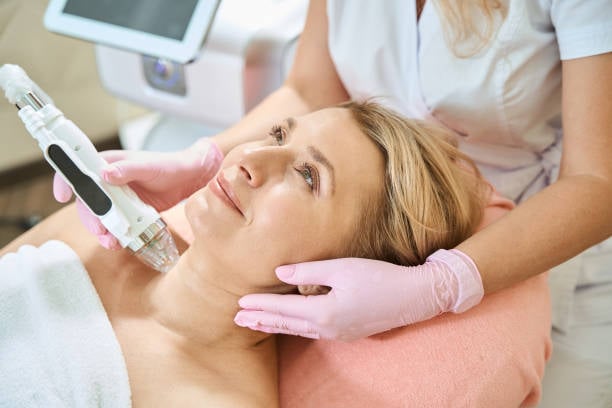
There’s a point when good skincare is still helping, but it isn’t doing quite as much as it used to.
The moisturizer you loved in your 30s may not keep your skin feeling as supple. Your jawline can look a little softer in photos. Fine lines linger longer after you stop smiling. Old acne scars or enlarged pores that never bothered you suddenly seem more noticeable.
None of this means something has gone wrong. Skin changes with age. The question is what, if anything, you want to do about it.
For many adults over 40, RF microneedling in Phoenix, AZ occupies an interesting middle ground. It goes beyond what topical skincare can accomplish, but it doesn’t require surgery. The goal is gradual improvement in firmness, texture, fine lines, and certain types of acne scarring by stimulating remodeling within the skin.
But is it actually worth the money, recovery, and multiple appointments?
For the right person, it can be. For someone expecting a facelift without surgery, probably not.
Featured Snippet: Is RF Microneedling Worth It After 40?
RF microneedling can be worth it after 40 for people who want gradual improvement in mild skin laxity, fine lines, crepey texture, enlarged pores, or acne scars without surgery. It combines microneedling with radiofrequency energy to stimulate dermal remodeling. Results develop gradually, and multiple treatments are commonly recommended rather than a single session.
Why Skin Starts Looking Different After 40
Age 40 isn’t a biological cutoff where your skin suddenly changes overnight.
Most of what you notice has been developing gradually for years.
With age, skin undergoes changes involving collagen, elastin, thickness, hydration, and its ability to recover from environmental stress. Years of cumulative UV exposure also begin to show themselves more clearly.
In Phoenix, that’s especially relevant.
Living in the Valley means year-round sun exposure, intense UV, low humidity, air conditioning, and plenty of opportunities for the skin to become dry and sun stressed. A good sunscreen and skincare routine are incredibly valuable, but they can’t completely undo structural changes that have already occurred deeper in the skin.
Common concerns after 40 include:
- Fine lines that remain visible at rest
- Crepey skin
- Mild lower-face laxity
- A softer jawline
- Enlarged-looking pores
- Uneven texture
- Acne scars
- Sun-related skin changes
- Dryness and reduced resilience
And for women entering perimenopause or menopause, there can be another layer to the story.
Perimenopause, Menopause, and Changing Skin
Hormonal changes associated with menopause can affect skin thickness, hydration, collagen, and elasticity.
That’s one reason a skincare routine that worked beautifully at 35 may suddenly feel underwhelming at 45 or 50.
You may notice that your skin feels drier, looks thinner, or doesn’t have quite the same “bounce” it once did. Changes in facial fat and other deeper structures can also affect how the face ages.
This distinction matters because RF microneedling isn’t a treatment for every component of facial aging.
It can target skin quality and certain types of laxity. It doesn’t replace facial volume that has been lost, reposition deeper facial tissues, or remove significant excess skin.
Knowing what it can’t do is just as important as understanding what it can.
How RF Microneedling Works
Traditional microneedling uses small needles to create controlled microchannels in the skin. Those controlled injuries initiate a wound-healing response and subsequent remodeling.
RF microneedling adds radiofrequency energy to the process.
The needles enter the skin and deliver RF energy at controlled depths, creating localized heat within the targeted tissue.
That combination is what differentiates RF microneedling from traditional microneedling.
The treatment can be adjusted according to the area being treated, skin thickness, concern, and device being used. A provider may use different depths or settings on the cheek than around a thinner, more delicate area.
That customization is important.
The FDA considers RF microneedling a medical procedure, not simply a cosmetic treatment, and has specifically advised patients to seek appropriately trained, licensed healthcare providers.
RF Microneedling vs. Traditional Microneedling After 40
Both treatments can have a place in an anti-aging skincare plan. They simply aren’t identical.
| Traditional Microneedling | RF Microneedling | |
| How it works | Controlled microneedling | Microneedling plus RF energy |
| Good for | Texture, pores, certain scars, general rejuvenation | Texture, certain scars, wrinkles and mild laxity |
| Thermal energy | No | Yes |
| Skin tightening | More limited | Greater focus on dermal remodeling and tightening |
| Typical approach | Usually performed as a series | Usually performed as a series |
| Recovery | Often redness and sensitivity | Redness, swelling, warmth, sensitivity can occur |
If your main complaint is dullness or relatively mild texture, traditional microneedling such as SkinPen may be enough.
If you’re saying, “My texture bothers me, but I’m also starting to see some looseness around my cheeks and jaw,” RF microneedling may make more sense.
Current systematic reviews support RF microneedling’s ability to improve concerns including skin texture, wrinkles, laxity, and acne scarring, although outcomes and treatment protocols vary across devices and studies.
What Can RF Microneedling Improve After 40?
Mild Skin Laxity
This is one of the big reasons patients in their 40s and 50s become interested in RF microneedling.
Maybe you don’t have significant loose skin. You simply notice that the lower face doesn’t have quite the same firmness it once did.
RF microneedling may help improve the appearance of mild laxity and skin firmness through gradual dermal remodeling.
The word mild matters.
If you can pull significant loose skin upward with your fingers and the result you’re imagining is essentially a surgical lift, an energy-based treatment probably isn’t going to reproduce that.
Fine Lines and Crepey Texture
Thin, finely wrinkled or crepey skin can make the face, neck, or décolletage appear older even without deep wrinkles.
Improving the underlying skin structure can soften that appearance over time.
Again, we’re talking about remodeling rather than filling or stretching the skin.
Enlarged-Looking Pores and Uneven Texture
Pores don’t literally “open” and “close,” despite what decades of skincare advertising have taught us.
But improving surrounding skin texture can make enlarged pores less noticeable.
For someone whose primary complaint is, “My skin just doesn’t look as smooth as it used to,” this can be one of the more satisfying aspects of treatment.
Acne Scars
You can be 45 and still be dealing with reminders of acne you had at 17.
RF microneedling has been studied for atrophic acne scars, and recent systematic reviews have found evidence of improvement, although scar type, treatment parameters, and individual response matter.
Rolling and some boxcar scars may respond to collagen-remodeling treatments. Deep ice-pick scars or tethered scars may require other techniques or a combination approach.
That distinction is important. There isn’t one “best acne scar treatment” for every scar.
What RF Microneedling Won’t Do
This may be the most useful section of the entire article.
RF microneedling can be a very good treatment without being a miracle treatment.
It will not:
- Create a surgical facelift result
- Remove significant hanging skin
- Restore lost cheek volume
- Reposition deeper facial structures
- Completely erase deep acne scars
- Stop the aging process
- Replace Botox for movement-related expression lines
- Correct every type of pigmentation
If someone has substantial jowling or significant neck laxity, repeatedly turning up the energy isn’t necessarily the answer.
Sometimes the best aesthetic recommendation is recognizing when a different treatment, or a surgical consultation, would better match the result a patient wants.
Is RF Microneedling Worth It for a Softening Jawline?
It depends on what “softening” means.
If you’re noticing early loss of definition and mild skin laxity, RF microneedling may be worth considering.
If you’re lifting your jawline dramatically with your fingers and saying, “I want it to stay right here,” that’s a very different goal.
No responsible non-surgical treatment should be presented as a guaranteed substitute for a facelift.
This is where consultation matters more than marketing.
How Many RF Microneedling Sessions Do You Need After 40?
There’s no universal number based on age alone.
Your treatment plan depends on your skin, treatment area, device, settings, goals, degree of laxity or scarring, healing response, and provider’s protocol.
At Skin Theory, RF microneedling is generally approached as a series rather than a one-and-done treatment.
A plan might involve approximately three treatments spaced several weeks apart, with additional treatment considered for more significant texture or scarring. The right number should be determined after examining your skin rather than selling everyone the same package.
That’s an important distinction.
Your 47th birthday isn’t a treatment parameter. Your skin is.
When Will You See RF Microneedling Results?
This is where patience pays off.
Some patients notice their skin looking smoother or more refreshed relatively early, but the structural changes people usually want from RF microneedling develop more gradually.
Think in months, not days.
A general timeline may look something like this:
First Few Days
Your skin is healing from the procedure. Redness, swelling, warmth, sensitivity, or temporary texture changes may occur.
This isn’t the point to judge your result.
First Several Weeks
As the initial recovery settles, the skin may begin looking smoother and more refined.
Two to Six Months
Dermal remodeling continues over time. Research on RF microneedling has found that improvements can continue for months after treatment.
This delayed timeline is actually part of the appeal for patients who want a gradual change.
Rather than looking dramatically different on Monday morning, you may simply notice a few months later that your skin looks firmer or smoother in photographs.
Is One RF Microneedling Treatment Worth It?
Possibly, but that’s usually not the best way to evaluate the treatment.
A single session can initiate remodeling and may produce visible improvement. But if you’re treating established acne scars, laxity, or significant texture, expecting one appointment to deliver the entire outcome can set you up for disappointment.
This isn’t a “big event next Friday” treatment.
Think of it more like training than makeup.
One workout does something. Consistency creates the larger change.
Does RF Microneedling Hurt?
Comfort varies based on the device, treatment depth, area, settings, and your individual sensitivity.
Topical numbing is commonly used beforehand. During treatment, patients may experience pressure, prickling, heat, or brief discomfort as the device moves across the treatment area.
Some facial areas naturally feel more sensitive than others.
The goal isn’t to prove how much energy you can tolerate. More aggressive treatment isn’t automatically better treatment.
RF Microneedling Recovery: What to Expect
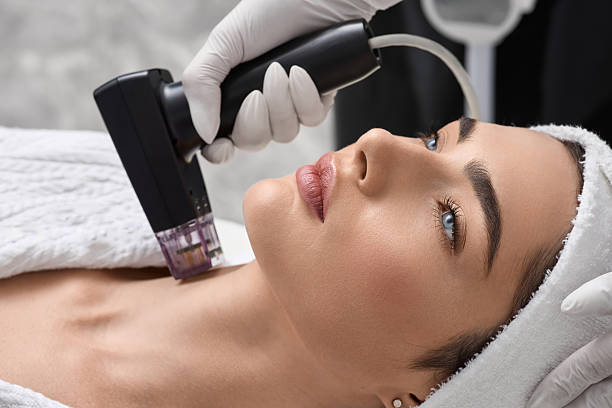
One reason people over 40 are drawn to RF microneedling is that recovery can be more manageable than some aggressive resurfacing procedures.
But “minimal downtime” should never be translated into no downtime.
Common short-term effects can include:
- Redness
- Swelling
- Warmth
- Tenderness
- Dryness
- Temporary rough or sandpaper-like texture
- Pinpoint crusting or visible treatment marks, depending on the device and settings
How noticeable these effects are varies.
If you have an important presentation, wedding, family photographs, or other event, don’t assume you’ll be camera-ready the next morning. Give yourself a buffer.
RF Microneedling Recovery in Phoenix: A Practical Timeline
Desert living adds another consideration to recovery.
Freshly treated skin and a July afternoon aren’t exactly best friends.
Days 0 to 2
Redness, warmth, tightness, and swelling can be most noticeable during this period.
Keep skincare simple and follow the aftercare instructions provided by your clinician. Avoid picking, scrubbing, or experimenting with new products.
Heat and strenuous activity may also need to be limited according to your provider’s instructions.
Days 3 to 5
Redness often begins settling, although skin may feel dry, rough, or slightly textured.
This is not the time to attack that texture with a scrub or exfoliating acid.
Let your skin recover.
Days 6 to 14
Many people are looking more like themselves again, but that doesn’t necessarily mean the skin barrier is ready for every active product in your bathroom.
Reintroduce retinoids, exfoliating acids, and other potentially irritating products only according to your provider’s instructions and once your skin has recovered.
The FDA specifically notes that skin may be more sensitive to sunlight and skincare products after microneedling.
Phoenix Sun Protection After RF Microneedling
Living in Phoenix means sun protection isn’t a seasonal conversation.
It’s an everyday one.
After treatment, your clinician will give you instructions about when and how to resume sunscreen and other topical products. Follow those instructions rather than applying something simply because it worked after another procedure.
Once appropriate, diligent sun protection becomes especially important.
That means thinking beyond your morning sunscreen application.
Consider:
- Minimizing unnecessary direct sun during early recovery
- Wearing a hat when appropriate
- Avoiding outdoor workouts during peak heat while your skin is recovering
- Remembering that significant UVA exposure can occur through windows
- Following your provider’s instructions for sunscreen and reapplication
You invested in stimulating healthier-looking skin. Protecting it from another round of unnecessary UV exposure is simply good sense.
Is RF Microneedling Safe for Darker Skin Tones?
RF microneedling is used across a range of skin tones, and research has included patients with darker Fitzpatrick skin types.
But “used across skin tones” should not be translated into “risk-free for everyone.”
Any procedure that creates controlled injury can potentially contribute to pigment changes, particularly in someone prone to post-inflammatory hyperpigmentation.
Appropriate patient selection, treatment settings, medical history, and aftercare all matter.
If you tend to develop dark marks after pimples, burns, or irritation, mention that during your consultation.
What Are the Risks of RF Microneedling?
This deserves more attention in 2026 than it received in many older articles about RF microneedling.
In October 2025, the FDA issued a safety communication after receiving reports of serious complications associated with certain uses of RF microneedling devices. Reported complications included burns, scarring, fat loss, disfigurement, and nerve damage, with some cases requiring medical or surgical treatment. The FDA’s evaluation is ongoing.
That doesn’t mean RF microneedling is inherently unsafe or that everyone should avoid it. Clinical studies and systematic reviews have also reported favorable outcomes and generally transient side effects in appropriately treated patients.
It does mean this procedure should be treated like what it is: a medical procedure involving needles and thermal energy.
The FDA specifically recommends choosing a licensed healthcare provider with RF microneedling training and experience and asking which device will be used.
That’s good advice.
Why Provider Experience Matters Even More After 40
A 45-year-old face isn’t one uniform piece of skin.
You may have thinner skin around the eyes, thicker tissue through the cheeks, early laxity along the jaw, old acne scars in one area, and years of sun exposure somewhere else.
Those areas don’t necessarily call for identical treatment settings.
An experienced clinician should consider factors such as:
- Treatment area
- Skin thickness
- Degree of laxity
- Scarring
- Pigment history
- Previous treatments
- Facial volume
- Existing filler
- Medical history
- Healing history
- Your tolerance for downtime
Ask what device is being used.
Ask why certain depths or areas are being selected.
And don’t be impressed simply because someone promises to “turn it all the way up.”
Controlled energy is the point. Maximum energy isn’t.
Can RF Microneedling Cause Facial Fat Loss?
This question has become increasingly important.
The FDA’s 2025 safety communication specifically includes fat loss among the serious complications reported with certain uses of RF microneedling devices.
That makes treatment depth, energy delivery, anatomy, device selection, and provider experience particularly important, especially in patients who already have facial volume loss.
Someone in their 40s or 50s may already be noticing hollowing through the cheeks or temples. If that’s you, tell your provider.
“Tighter” isn’t automatically better if the treatment plan ignores existing volume.
RF Microneedling After Weight Loss
Significant weight loss can reveal skin laxity that wasn’t obvious before.
This has become an especially common aesthetic conversation as more people experience substantial weight changes, including patients using GLP-1 medications.
But the medication itself isn’t the key question.
The amount and type of laxity are.
If weight loss leaves you with mild skin looseness, RF microneedling may be one part of a treatment plan.
If there has been significant volume loss, you may need a separate discussion about volume. If substantial excess skin remains, a non-surgical energy treatment may not create the degree of lifting you want.
Again, treatment should follow anatomy, not trends.
Can RF Microneedling Replace Filler?
No. They’re addressing different problems.
RF microneedling focuses primarily on skin remodeling. Dermal fillers are used to create or restore volume in selected areas.
If your cheek looks flatter because you’ve lost volume, tightening the overlying skin doesn’t put that volume back.
Some patients may benefit from both approaches, but combining treatments should be planned thoughtfully rather than treating everything at once.
Can You Have RF Microneedling if You Already Have Filler?
Potentially, but this isn’t something to handle with a blanket “yes.”
Tell your RF microneedling provider:
- What filler you received
- Where it was placed
- Approximately when it was injected
- Which product was used, if known
Your provider can then decide whether RF microneedling is appropriate, whether treatment settings or depth should be modified, and how the procedures should be sequenced.
The FDA also notes that microneedling devices have not been cleared for use in combination with other products, which is another reason treatment combinations should be approached thoughtfully.
Can You Combine Botox and RF Microneedling?
These treatments address different aspects of aging.
Botox or Jeuveau: primarily addresses expression-related lines by temporarily reducing targeted muscle activity.
RF microneedling: addresses skin texture, collagen remodeling, certain scars, and mild laxity.
For the right patient, both may belong in the same overall aesthetic plan.
The exact sequence and timing should come from your treating provider. There isn’t a good reason to publish a universal “always wait exactly two weeks” rule when treatment area, device, injection sites, and clinical circumstances can differ.
At Skin Theory, the better question is: What are we treating, and what order makes the most sense?
Should You Stop Fish Oil Before RF Microneedling?
Don’t independently stop a supplement or medication simply because you read that it can affect bruising.
Fish oil supplements can affect platelet function, but the clinical significance depends on the individual, dose, other medications, and medical history.
More importantly, never stop a prescribed anticoagulant or antiplatelet medication for an aesthetic procedure without instructions from the clinician who manages it.
Tell your provider everything you take, including supplements.
Let them decide what, if anything, needs to change.
What About Arnica Before or After RF Microneedling?
Arnica is often discussed in aesthetic practices for bruising, but evidence for oral or topical arnica is mixed and it shouldn’t be presented as something that reliably prevents bruising or pinpoint bleeding from RF microneedling.
If you’re considering it, ask your healthcare provider first.
A supplement isn’t automatically harmless simply because it’s sold over the counter.
Who Is a Good Candidate for RF Microneedling After 40?
RF microneedling may be worth discussing if you have:
- Mild to moderate skin laxity
- Fine lines
- Crepey texture
- Enlarged-looking pores
- Certain atrophic acne scars
- Uneven skin texture
- A desire for gradual rather than dramatic change
- Realistic expectations about non-surgical treatment
- The ability to follow aftercare and sun precautions
Age itself isn’t the deciding factor.
Somebody at 52 with relatively firm skin may need less intervention than somebody at 41 with significant cumulative sun damage.
When Should RF Microneedling Be Delayed or Reconsidered?
Your provider needs to evaluate your complete medical history, but reasons to postpone treatment or consider another approach can include certain active skin infections or inflammatory conditions, impaired healing, some implanted electronic devices depending on the RF system, pregnancy, and other medical circumstances.
Recent or current isotretinoin use should also be discussed with your clinician rather than applying an outdated universal waiting period.
And if you have significant loose skin and expect a surgical degree of lifting, that’s another reason to reconsider.
Not because you’re a “bad candidate.”
Because the treatment and the goal don’t match.
Is RF Microneedling Worth the Cost After 40?
Here’s a useful way to think about it.
RF microneedling may be worth the investment when the problem you’re trying to solve is actually something RF microneedling is good at treating.
It makes more sense when you want improvement in:
- Skin texture
- Mild laxity
- Fine crepiness
- Certain wrinkles
- Enlarged-looking pores
- Atrophic acne scarring
It makes less sense when your main concern is:
- Significant excess skin
- Major facial volume loss
- Deep structural jowling
- Dynamic expression lines alone
- A desire for immediate transformation
- A result that realistically requires surgery
The expensive treatment isn’t necessarily the one with the highest price.
It’s the treatment you paid for that never matched the problem in the first place.
How to Choose an RF Microneedling Provider in Phoenix
Before booking, ask:
- What RF microneedling device do you use?
- Who will perform my treatment?
- What training do they have with this specific device?
- Why am I a good candidate?
- What concerns do you expect it to improve?
- What won’t it improve?
- How many treatments do you expect I’ll need?
- How will the settings change across different areas of my face?
- What are the risks for my skin and anatomy?
- How do you reduce the risk of burns, scarring, pigment changes, or unwanted fat loss?
- What should I expect during recovery?
- When will you evaluate my final result?
Pay attention to how those questions are answered.
A thoughtful provider should be able to explain why they’re recommending RF microneedling rather than simply telling you that it’s their “best machine.”
Is RF Microneedling After 40 Worth It? The Bottom Line
For the right patient, RF microneedling after 40 can be a worthwhile treatment for improving skin texture, mild laxity, fine lines, crepey skin, and certain acne scars.
But its value depends on realistic expectations.
It’s not a facelift without surgery. It’s not filler without injections. And it’s not a magic wand that makes 50-year-old skin behave like 20-year-old skin.
What it can offer is something many Skin Theory patients actually prefer: gradual, natural-looking improvement in the quality and firmness of their own skin.
At Skin Theory Aesthetics in Phoenix, Heather Starks, PA-C takes a personalized approach to skin rejuvenation. Rather than starting with the device, the conversation starts with your skin, your anatomy, what bothers you, and how much change you’re actually hoping to see.
If you’re considering RF microneedling in Phoenix, AZ, schedule a consultation with Skin Theory Aesthetics to determine whether Vybe RF microneedling makes sense for your skin, or whether another approach would better fit your goals.
Frequently Asked Questions About RF Microneedling After 40
Is 40 too old to start RF microneedling?
No. There isn’t a maximum age at which RF microneedling suddenly stops being appropriate. Skin quality, laxity, medical history, treatment goals, and healing ability matter more than the number on your birthday.
Is RF microneedling better in your 40s than traditional microneedling?
Not automatically. Traditional microneedling can be an excellent option for texture and certain acne scars. RF microneedling adds thermal energy, which may make it more appropriate when mild laxity and skin tightening are also priorities.
How many RF microneedling sessions will I need after 40?
Many treatment plans involve a series rather than one session. At Skin Theory, approximately three treatments spaced several weeks apart may be considered for general rejuvenation, while more significant texture or scarring can require a different plan. Your skin should determine the number, not your age.
How long does RF microneedling take to work?
Some surface improvement may become noticeable during the first several weeks, but collagen remodeling develops gradually. Improvements can continue for several months after treatment.
How long do RF microneedling results last?
There isn’t a reliable universal expiration date. Your age, UV exposure, skincare, treatment parameters, concern being treated, and natural aging all affect how results evolve. Maintenance treatment may be appropriate for some patients.
Will RF microneedling tighten a turkey neck?
It may improve mild crepiness or laxity, but significant hanging skin or prominent structural neck aging may require another treatment approach. A consultation should distinguish between skin-quality concerns and laxity that is unlikely to respond sufficiently to an energy device.
Does RF microneedling help jowls?
It may improve the appearance of mild lower-face laxity in appropriately selected patients. It won’t reposition significantly descended tissue the way surgery can.
Does RF microneedling restore lost cheek volume?
No. Improving skin firmness isn’t the same as restoring volume. If hollowing or facial volume loss is the primary concern, your provider should discuss that separately.
Does RF microneedling work for acne scars after 40?
Age doesn’t prevent treatment of acne scars. Research supports fractional RF microneedling as an option for atrophic acne scarring, although response varies by scar type and treatment protocol.
Is RF microneedling safe after 40?
Age alone doesn’t determine safety. Medical history, skin condition, anatomy, device, treatment settings, and provider experience all matter. The FDA has reported serious complications with certain uses of RF microneedling, so treatment should be performed by an appropriately trained licensed healthcare provider.
Can RF microneedling cause fat loss?
Unwanted fat loss has been reported among serious complications associated with certain uses of RF microneedling devices. Discuss treatment depth, energy, anatomy, and this risk with your provider, particularly if you already have facial volume loss.
Can RF microneedling be done during summer in Phoenix?
Potentially, but you need to be realistic about your ability to follow aftercare and limit unnecessary UV and heat exposure while healing. If your summer schedule revolves around hiking, pools, lake weekends, or prolonged outdoor activity, a cooler time of year may be easier.
When can I restart retinol after RF microneedling?
Don’t restart it based solely on a generic calendar. Wait until the skin barrier has recovered and follow your provider’s instructions. Skin may be temporarily more sensitive to retinol and other skincare products after microneedling.
Can I have RF microneedling if I have filler?
Possibly. Tell your provider exactly where and when filler was placed and, if possible, which product was used. Your clinician can determine whether treatment is appropriate and how it should be planned.
Can I get Botox and RF microneedling in the same treatment plan?
Yes, they may be part of the same overall aesthetic plan because they address different concerns. Botox or Jeuveau targets muscle activity, while RF microneedling targets skin remodeling. Your provider should determine the appropriate sequence and timing.
Should I stop fish oil or blood thinners before RF microneedling?
Don’t stop prescribed medication on your own. Tell your provider about prescriptions, over-the-counter medications, and supplements, including fish oil. Any changes should be made only with appropriate medical guidance.
Does RF microneedling hurt more than regular microneedling?
It can feel different because RF microneedling adds thermal energy. Numbing is commonly used, and patients may feel pressure, prickling, and heat. Comfort varies by treatment area, settings, device, and individual sensitivity.
Will RF microneedling make me look “done”?
That isn’t the goal. RF microneedling works through gradual tissue remodeling rather than adding volume or mechanically lifting the face. For many patients, the appeal is that improvement develops gradually and can look quite natural.
What is the biggest mistake people make with RF microneedling after 40?
Expecting it to solve the wrong problem. RF microneedling can be very useful for skin quality, texture, certain scars, and mild laxity. It isn’t a substitute for lost facial volume or surgery when significant excess skin is the primary concern.