Do Chemical Peels Help Dull Skin and Pigmentation? Yes. Chemical peels can help improve dull skin and pigmentation by removing damaged surface cells, encouraging cell turnover, and reducing the appearance of sun spots, uneven tone, acne marks, and rough texture. In Phoenix, professional chemical peels are especially helpful for skin affected by UV exposure, dry …
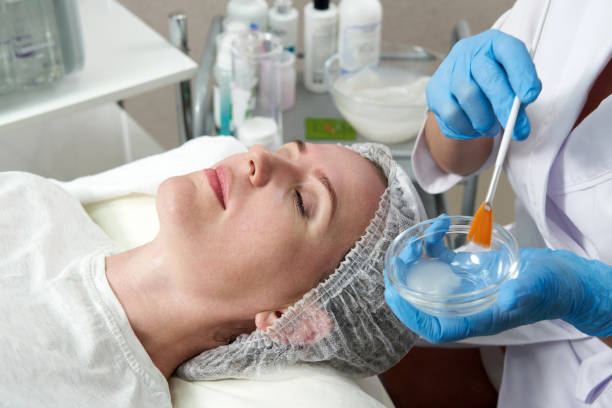
Do Chemical Peels Help Dull Skin and Pigmentation?
Yes. Chemical peels can help improve dull skin and pigmentation by removing damaged surface cells, encouraging cell turnover, and reducing the appearance of sun spots, uneven tone, acne marks, and rough texture. In Phoenix, professional chemical peels are especially helpful for skin affected by UV exposure, dry air, and desert living.
Chemical Peels for Dull Skin and Pigmentation: Complete Treatment Guide
Phoenix has a way of showing up on your skin.
The sunshine is beautiful. The hikes, patios, pool days, and year-round outdoor life are hard to beat. But the desert also brings intense UV exposure, dry air, dust, heat, and dehydration. Over time, that combination can leave skin looking dull, rough, uneven, or blotchy.
And if you’ve tried over-the-counter brighteners with no real change, you’re not alone.
Sometimes the skin doesn’t need another trendy serum. It needs controlled, professional exfoliation.
That’s where chemical peels in Phoenix can make a beautiful difference. At Skin Theory Aesthetics, chemical peels are used to refresh dull skin, improve pigmentation, smooth texture, and support a healthier, more radiant complexion.
How Chemical Peels Work on Dullness and Pigmentation
A chemical peel uses a customized acid solution to exfoliate the outer layers of the skin.
That may sound intense, but a professional peel is not about “burning off” the skin. It is about encouraging controlled renewal.
When dead skin cells build up, the complexion can look tired, uneven, and congested. A peel helps loosen those old surface cells so newer, healthier-looking skin can come forward.
Controlled Exfoliation
Unlike a basic facial or scrub, a medical-grade chemical peel works more precisely.
The peel solution helps break apart the bonds that hold dead cells together on the skin’s surface. As those layers shed, the skin often looks brighter, smoother, and more even.
This is especially helpful for:
- Dull skin
- Rough texture
- Sun damage
- Uneven tone
- Fine lines
- Congestion
- Acne marks
- Mild pigmentation
In plain English, a good peel helps your skin stop looking tired.
Targeting Pigmentation
Pigmentation can be stubborn.
Dark spots, melasma, sun spots, and post-acne marks often sit deeper than what a retail brightening product can reach.
A customized pigmentation treatment protocol can help reduce the appearance of discoloration by encouraging cell turnover and supporting a more even distribution of pigment over time.
For Phoenix patients, this matters because UV exposure is one of the biggest triggers for pigmentation.
The sun does not take days off here.
Protecting the Skin Barrier
The best chemical peels are not aggressive just for the sake of being aggressive.
At Skin Theory Aesthetics, the goal is to renew the skin while respecting the barrier.
That means the peel should be chosen based on your:
- Skin type
- Skin tone
- Sensitivity
- Pigmentation risk
- Lifestyle
- Treatment history
- Desired downtime
A strong peel is not always the best peel. The right peel is the one your skin can safely respond to.
Peel Types Matched to Your Concerns
Not every skin concern needs the same level of treatment.
Some patients need a gentle glow boost. Others need a deeper plan for pigmentation or texture.
Superficial Chemical Peels
Superficial, or light, peels are ideal for mild dullness, early signs of sun damage, light congestion, and routine maintenance.
These may include ingredients such as glycolic acid, lactic acid, or salicylic acid.
They are often a good fit for:
- First-time peel patients
- Sensitive skin
- Mild pigmentation
- Rough texture
- Maintenance between treatments
- Busy schedules
Downtime is usually minimal. Some patients experience light flaking for 3 to 5 days.
Medium-Depth Peels
Medium-depth peels may be used for more visible sun damage, post-inflammatory hyperpigmentation, acne marks, and deeper tone irregularities.
These peels may involve stronger acid blends, such as TCA or Jessner-style combinations.
They can offer more noticeable results, but they also usually come with more visible peeling for several days.
Custom Combination Peels
Some skin needs a more tailored approach.
Custom peels can be designed for concerns like:
- Melasma
- Acne marks
- Sun spots
- Uneven tone
- Congestion
- Fine lines
- Texture changes
This is where provider experience matters. Especially in Arizona, where sun exposure and pigmentation risk must be taken seriously.
Who Is a Good Candidate for a Chemical Peel?
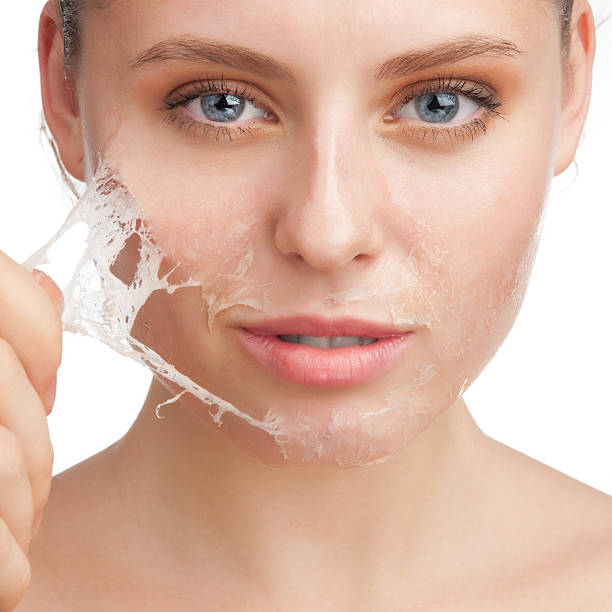
Most adults with dullness, pigmentation, rough texture, sun damage, or acne marks may be good candidates for a chemical peel.
You may benefit from a peel if you have:
- Dull or tired-looking skin
- Brown spots or sun spots
- Melasma or hormonal pigmentation
- Post-acne marks
- Uneven tone
- Rough texture
- Mild fine lines
- Congested pores
- Dry, flaky buildup
You may need to delay or avoid peels if you have active skin infections, certain medications, recent heavy sun exposure, active acne flares, pregnancy restrictions, or a compromised skin barrier.
Darker skin tones can absolutely benefit from peels, but the protocol should be conservative and melanin-safe to reduce the risk of hyperpigmentation.
Realistic Results and Timeline
Chemical peels can create visible change, but the timeline depends on the depth of the peel and your skin goals.
Immediately After
Skin may feel fresh, tight, or slightly warm.
Days 3-7
Flaking or peeling may occur, depending on the peel strength. As the old surface cells shed, brighter skin begins to show.
1-4 Weeks
Tone, texture, and pigmentation often begin to look more even.
Multiple Sessions
For pigmentation, melasma, acne marks, or stubborn dullness, a series of 3 to 6 peels spaced several weeks apart may provide the best results.
Many patients say their skin “finally looks alive again” after a consistent peel plan.
That is the goal. Not harsh. Not stripped. Just clearer, smoother, healthier-looking skin.
Cost of Chemical Peels in Phoenix
Chemical peel pricing in Phoenix varies depending on the depth, product used, and level of customization.
General ranges may include:
- Superficial peels: $150 to $400 per session
- Medium-depth peels: $300 to $800+
- Peel series or packages: often discounted
At Skin Theory Aesthetics, pricing is discussed during consultation so your plan matches your skin, budget, and desired results.
Medical-grade peels performed under qualified care are worth the investment because safety, customization, and proper aftercare matter.
Your Journey from Consultation to Aftercare
The Essential First Step
Every peel should begin with a thoughtful consultation.
Heather Starks, PA-C will assess your skin type, tone, sensitivity, pigmentation concerns, current routine, and goals before recommending a peel.
This helps set realistic expectations and avoids the common mistake of choosing a peel that is too strong too soon.
Pre-Treatment Preparation
Before your peel, you may be asked to pause certain products, such as:
- Retinoids
- Exfoliating acids
- Harsh scrubs
- Strong acne products
- Certain active serums
Sun protection is also essential before treatment.
If your skin is irritated, sunburned, or over-exfoliated, it may need time to calm before a peel.
What to Expect During a Chemical Peel
During your professional chemical peel session in Phoenix, you may feel mild warmth, tingling, or prickling.
Most patients tolerate it very well. Some even find the process relaxing.
The appointment is usually efficient, but your exact treatment time and recovery window depend on the peel type.
Post-Treatment Care and Healing
After a peel, your skin needs gentle support.
Your provider may recommend:
- Gentle cleanser
- Hydrating moisturizer
- Barrier-repair products
- Mineral SPF
- Avoiding retinoids temporarily
- Avoiding AHAs, BHAs, and scrubs
- Avoiding heat and direct sun
- Not picking or peeling flaking skin
Do not rush the peeling process.
Let the skin shed naturally. Picking can cause irritation, scarring, or pigmentation.
Phoenix-Specific Aftercare Essentials
Chemical peel aftercare matters everywhere, but in Phoenix, it is non-negotiable.
Our UV exposure and dry air can make newly treated skin more sensitive.
For best results:
- Use mineral SPF 50+ with zinc or titanium
- Reapply sunscreen every 2 hours outdoors
- Wear a hat when outside
- Avoid direct sun during healing
- Use gentle, hydrating skincare
- Avoid heat, saunas, and heavy sweating early on
- Hydrate internally and externally
- Add antioxidants back in when your provider says it is safe
In the Valley, sunscreen is not just skincare. It is strategy.
Combining Chemical Peels with Other Treatments
Chemical peels are wonderful for surface renewal, but they can also be part of a bigger skin plan.
Depending on your goals, peels may be paired or staggered with:
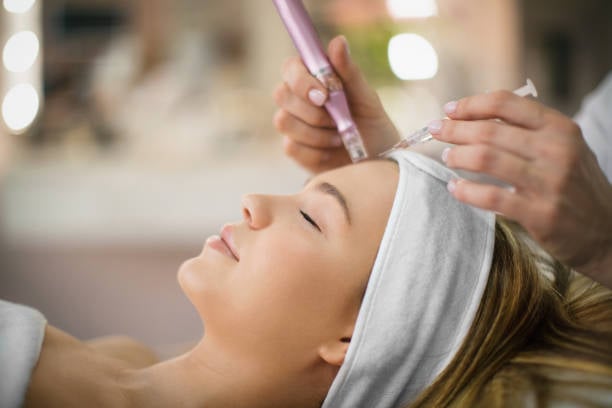
- RF microneedling for acne scars, texture, and collagen support
- Botox or Jeuveau for expression lines
- Medical-grade skincare for pigmentation and maintenance
- Plasma pen for targeted tightening
For example, a peel may help brighten pigmentation while RF microneedling improves deeper texture and collagen.
A well-sequenced plan can address multiple concerns without overwhelming the skin.
Long-Term Support for Lasting Results
One peel can refresh the skin. A thoughtful maintenance plan can help keep results going.
For long-term improvement, your provider may recommend:
- Maintenance peels every 3 to 6 months
- Daily SPF
- Antioxidant serum
- Medical-grade brightening products
- Retinoids when appropriate
- Hydrating barrier support
- Avoiding unnecessary sun exposure
Skin health is not one big dramatic moment. It is a series of small, consistent decisions.
Why Choose a Medical Provider for Chemical Peels?
Chemical peels may seem simple, but they still require judgment.
A PA-C provider can assess both cosmetic and medical skin factors, including pigmentation risk, medication concerns, sensitivity, healing history, and treatment safety.
At Skin Theory Aesthetics, Heather Starks, PA-C takes a calm, personalized approach. Her focus is not on over-treating the skin. It is on helping you achieve a brighter, healthier-looking complexion with care that makes sense for your skin type.
Renew Your Radiance
Professional chemical peels in Phoenix offer a reliable, evidence-based way to improve dullness, pigmentation, rough texture, and sun-stressed skin.
If your skin looks tired no matter how much moisturizer you use, or if dark spots keep coming back after every sunny weekend, a peel may be the reset your complexion needs.
At Skin Theory Aesthetics, every peel plan is personalized, gentle, and focused on natural radiance.
Schedule a no-pressure consultation to find the right chemical peel for your skin, lifestyle, and goals.
Frequently Asked Questions
Are chemical peels safe for deeper skin tones?
Yes, when protocols are adjusted properly. Deeper skin tones often need conservative, melanin-safe acids and careful aftercare to reduce pigmentation risk.
Do superficial chemical peels require downtime?
Most superficial peels require little to no downtime. Some patients experience mild flaking for 3 to 5 days.
Is a PA-C qualified to perform chemical peels?
Yes. A certified PA-C has medical training to assess health factors, skin risks, and cosmetic goals before recommending treatment.
Can chemical peels pair with RF microneedling?
Yes. Chemical peels can be staggered with RF microneedling to address surface pigmentation and deeper texture concerns.
How many chemical peels do I need?
Many patients benefit from a series of 3 to 6 peels for pigmentation, dullness, or texture. Maintenance every 3 to 6 months can help preserve results.
Does a chemical peel hurt?
Most peels cause mild tingling, warmth, or prickling. Deeper peels may feel more intense, but discomfort is usually manageable.
Can chemical peels treat melasma?
Yes, customized peels combined with medical-grade home care and strict sun protection can help improve melasma and hormonal pigmentation.
What is the best time of year for chemical peels in Phoenix?
Fall and winter are ideal because sun exposure may be easier to manage, but peels can be done year-round with strict SPF and smart scheduling.
Can I wear makeup after a chemical peel?
This depends on the peel and your skin response. Many patients can wear makeup after light peels fairly soon, but your provider will give specific instructions.
Why choose Skin Theory Aesthetics for chemical peels?
Skin Theory Aesthetics offers personalized, medically guided care with Heather Starks, PA-C, focusing on safe treatment, natural results, and Phoenix-specific skin concerns.