A chemical peel may only take a short time in the treatment room, but what you do over the next several days can have a big impact on how your skin heals. That's especially true in Phoenix. Heat, intense sun exposure, sweat, swimming pools, and the Valley's dry air can make post-peel care a little …
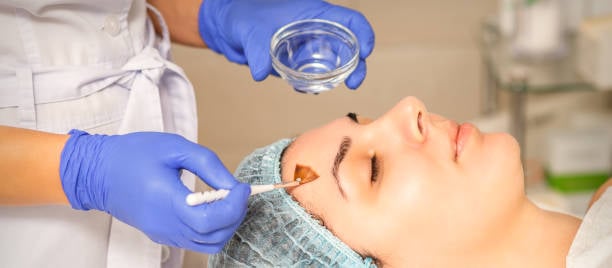
A chemical peel may only take a short time in the treatment room, but what you do over the next several days can have a big impact on how your skin heals.
That’s especially true in Phoenix.
Heat, intense sun exposure, sweat, swimming pools, and the Valley’s dry air can make post-peel care a little less forgiving. The week after your treatment isn’t the time for a midday hike, hot yoga class, aggressive skincare routine, or an afternoon spent by the pool.
At Skin Theory Aesthetics, we want the recovery process to be just as intentional as the treatment itself. You don’t need a complicated routine. In fact, less is usually better while your skin is healing.
Featured Snippet: What Should You Avoid After a Chemical Peel?
After a chemical peel, avoid excessive sun exposure, heat, strenuous exercise, picking or peeling the skin, exfoliating acids, retinoids, scrubs, and other irritating skincare until your provider clears you. In Phoenix, careful sun protection and avoiding excessive heat are especially important while the skin barrier recovers.
Why Chemical Peel Aftercare Matters
A professional chemical peel uses a chemical solution to create controlled exfoliation of the skin. Depending on the type and depth of peel, it may improve concerns such as uneven pigmentation, sun damage, rough texture, acne-related discoloration, fine lines, and dullness.
But the treatment doesn’t end when you leave the office.
Your skin still has to heal.
During that process, you may experience:
- Tightness
- Dryness
- Redness
- Flaking or peeling
- Increased sensitivity
- Temporary swelling with some peels
How much peeling occurs depends on the formulation, depth, application, and your individual skin.
And here’s something patients don’t always expect: more peeling doesn’t automatically mean a better peel.
Some effective superficial peels cause relatively little visible flaking. Don’t start adding acids or scrubbing because you think your peel “isn’t working.”
Chemical Peel Aftercare Depends on the Type of Peel
One of the biggest problems with generic chemical peel aftercare advice is that it treats every peel as if it were the same procedure.
They’re not.
The American Academy of Dermatology notes that healing after a light or “lunchtime” peel may take approximately 1 to 7 days, while a medium-depth peel may require 7 to 14 days. Deep peels involve substantially more recovery and medical supervision.
At Skin Theory, your specific aftercare instructions should always take priority over a general timeline you find online.
| Light Peel | Medium Peel | |
| Typical healing | About 1 to 7 days | About 7 to 14 days |
| Peeling | Mild scaling or flaking may occur | More noticeable peeling and crusting can occur |
| Redness | Usually milder | Can be more significant |
| Swelling | Usually limited | May be more noticeable |
| Makeup | Depends on peel and skin integrity | Usually delayed until sufficient healing |
| Skincare actives | Temporarily paused as directed | Often paused longer |
| Sun protection | Essential | Particularly strict during healing |
| Follow-up | Depends on treatment | More likely to require follow-up |
A deep phenol peel belongs in an entirely different category and requires considerably more medical oversight and recovery.
So before making weekend plans, know which peel you’re actually getting.
Chemical Peel Recovery: A Day-by-Day Guide
No two people heal on exactly the same schedule, and different chemical peels behave differently. Still, knowing the general pattern can make recovery less surprising.
Treatment Day
Your skin may feel warm, tight, sensitive, or similar to a mild sunburn.
Use only the products and instructions your provider recommends. Depending on the specific peel, there may be a period when you shouldn’t wash your face or apply other products.
This is one reason you shouldn’t automatically follow an aftercare routine from TikTok or a friend who had a completely different peel.
If you’re receiving a VI Peel, for example, the manufacturer provides a very specific post-treatment protocol and kit.
Days 1 and 2
You may notice tightness, dryness, or a change in skin texture before significant peeling begins.
Keep things gentle. Avoid scrubbing, exfoliating, or trying to “help” the peel along.
Some people barely flake at all. Others peel much more visibly.
Both can be normal depending on the treatment.
Days 3 Through 5
For many peeling treatments, this is when shedding becomes more noticeable, often around highly mobile areas such as the mouth and nose.
Your skin may look dry, uneven, or frankly a little worse before it looks better.
This is not the weekend to schedule family photos.
Let the skin shed naturally.
Days 6 Through 10
Depending on the peel, visible flaking may begin settling down and newer skin becomes more apparent.
Don’t mistake “I stopped peeling” for “my skin no longer needs protection.”
Your skin is still recovering.
The Following Weeks
As healing progresses, you may begin noticing improvements in brightness, smoothness, pigmentation, or texture.
Continue your sun protection and reintroduce active skincare according to your provider’s instructions.
The goal isn’t simply to survive the peeling phase. It’s to protect the result you just invested in.
1. Avoid Excessive Heat and Sweating After a Chemical Peel
Phoenix residents don’t have to look very far for heat.
The problem is that excessive heat and sweating can aggravate freshly treated skin. Sweat can sting, while vigorous exercise and heat exposure can increase flushing and irritation.
Depending on the peel, your provider may recommend temporarily avoiding:
- Strenuous workouts
- Hot yoga
- Saunas
- Steam rooms
- Hot tubs
- Very hot showers on the face
- Long periods outdoors in extreme heat
For VI Peel specifically, the manufacturer recommends avoiding exercise for 72 to 96 hours. For patients prone to post-inflammatory hyperpigmentation or with melasma or pigment damage, its guidance may be even more conservative.
That’s much more useful than a blanket rule that everyone can return to the gym tomorrow.
Be Realistic About Phoenix Activities
Think beyond the obvious workout.
A July afternoon of pickleball, hiking Camelback Mountain, yard work, or sitting beside the pool can turn into significant heat and sweating very quickly.
Plan your peel around your life.
If you know you have a lake weekend, golf tournament, outdoor wedding, or hiking trip coming up, tell Heather before scheduling your treatment.
2. Take Sun Protection Seriously
If there is one part of chemical peel aftercare we don’t want Phoenix patients improvising, it’s sun protection.
Newly treated skin can be more vulnerable to UV-related problems. Inadequate sun protection can increase the risk of unwanted pigmentation and compromise your results.
The American Academy of Dermatology specifically warns that failure to protect treated skin from the sun can increase complications after a chemical peel.
What Sunscreen Should You Use After a Chemical Peel?
Use the sunscreen recommended for your specific peel and skin.
We would not make the blanket claim that every patient must switch to mineral-only sunscreen because chemical sunscreen filters generate dangerous heat in freshly peeled skin. That’s an oversimplification.
In fact, VI Derm’s own SPF 50 product contains both zinc oxide and octinoxate.
What matters most is using a sunscreen that your provider considers appropriate for your healing skin, applying enough, and using it consistently.
For general post-procedure protection, broad-spectrum SPF 30 or higher is a common minimum. Your specific peel protocol may recommend SPF 50 or higher.
Don’t Forget “Incidental” Phoenix Sun
Most people know not to spend six hours at the pool after a peel.
It’s the ordinary exposure they forget.
Walking through a parking lot. Driving across Phoenix at lunchtime. Taking the dog around the neighborhood. Sitting beside a sunny window. Eating lunch on a patio.
Those little exposures add up.
Use sunscreen as directed, seek shade, and add a wide-brimmed hat when you’re outside.
3. Don’t Pick, Pull, Scrub, or Exfoliate Peeling Skin
We understand the temptation.
A piece of skin starts lifting beside your mouth and suddenly it’s nearly impossible to leave it alone.
Leave it alone.
Chemical peel flaking is scheduled shedding, not something you need to finish manually.
Pulling or picking can remove skin before it’s ready, increasing the chance of:
- Irritation
- Raw areas
- Prolonged redness
- Infection
- Scarring
- Uneven pigmentation
- Post-inflammatory hyperpigmentation
The American Academy of Dermatology specifically advises against scratching or picking treated skin because doing so can increase the risk of complications.
If loose skin becomes bothersome, follow the instructions for your specific peel rather than reaching for tweezers, a washcloth, exfoliating pad, or facial scrub.
4. Pause Retinoids, Acids, and Other Irritating Actives
Your skin doesn’t need an exfoliation encore.
After a chemical peel, temporarily pause products that could further irritate the recovering barrier unless they’re specifically included in your prescribed post-peel protocol.
Depending on the peel, that may include:
- Retinol
- Prescription tretinoin
- Adapalene
- Glycolic acid
- Lactic acid
- Salicylic acid
- Other AHAs and BHAs
- Scrubs
- Exfoliating pads
- Cleansing brushes
- Strong vitamin C formulations
- Other potentially irritating treatment products
Here’s an important exception: some professional peel protocols deliberately include active ingredients during recovery.
For example, VI Peel aftercare includes specific products and timing instructions. Don’t replace that protocol with a generic internet rule saying “never use an active ingredient for seven days.”
Follow the instructions for the peel you actually received.
5. Keep Your Skincare Routine Simple
After a peel, there’s a natural tendency to think your skin needs more.
Usually, it needs less.
For many peels, the recovery routine revolves around some version of:
- Gentle cleansing
- Appropriate hydration or repair products
- Sunscreen
- Leaving the skin alone
Your exact products should be determined by your peel protocol.
What About Hyaluronic Acid?
A simple hydrating product may be appropriate for some post-peel routines, but don’t automatically add your favorite serum.
Products can contain additional active ingredients, fragrance, alcohol, botanical extracts, or other components that aren’t ideal for freshly treated skin.
If you’re given an aftercare kit, use it.
What About Ceramides?
Barrier-supporting moisturizers containing ingredients such as ceramides can be useful during recovery when they’re appropriate for the peel you’ve received.
Again, follow your specific protocol rather than assuming every “barrier repair” product on your bathroom shelf is safe immediately after treatment.
6. Don’t Automatically Avoid Petrolatum or Occlusive Ointments
This is one area where the original advice needed correcting.
Heavy ointments aren’t universally bad after chemical peels.
For some light peels, your provider may prefer a lighter moisturizer. But after certain medium or deeper peels, ointments can be an intentional part of wound care.
The American Academy of Dermatology notes that medium peels may involve applying ointment during recovery, and deep peels require even more structured wound care.
VI Peel also notes that Aquaphor may be used when skin becomes very dry.
So the rule isn’t “petroleum suffocates healing skin.”
The better rule is:
Use the moisturizer or ointment recommended for your specific peel, and don’t improvise.
7. Avoid Fragrance and Unnecessary Skincare Experiments
The week after a chemical peel is a terrible time to test the serum an influencer convinced you to order at midnight.
Freshly treated skin may be more reactive.
Keep your routine boring for a few days. Boring is good.
Avoid adding unnecessary:
- Fragrance
- Essential oils
- Strong botanical extracts
- New acne treatments
- Exfoliating masks
- Scrubs
- “Detox” products
- At-home peel pads
If a product stings significantly, don’t assume that means it’s working.
8. Be Careful With Makeup
Makeup rules depend heavily on peel depth and formulation.
Some superficial peels allow makeup relatively quickly. Medium-depth peels require more healing first.
VI Peel has its own protocol and allows makeup after its initial four-hour post-treatment steps, while the American Academy of Dermatology notes that makeup after a medium peel may need to wait approximately five to seven days.
That’s a pretty big difference.
The lesson is simple:
Ask about your peel, not chemical peels in general.
During active flaking, heavy foundation can also look worse than simply allowing the skin to heal naturally.
9. Stay Out of Pools Until Your Skin Is Ready
Swimming sounds refreshing in Phoenix, but recovering skin and pool water aren’t a great combination.
Chlorine and other pool chemicals can irritate freshly treated skin.
VI Peel’s manufacturer recommends avoiding swimming for approximately 7 to 10 days, while other peels may have different requirements.
The same caution applies to:
- Hot tubs
- Lakes
- Oceans
- Water parks
Wait until your provider says your skin is ready.
10. Don’t Wax, Dermaplane, or Stack Another Treatment Too Soon
A chemical peel isn’t the beginning of an aesthetic obstacle course.
Give your skin time to recover before adding another procedure.
Depending on your peel and healing, you may need to postpone:
- Facial waxing
- Dermaplaning
- Another chemical peel
- Microneedling
- RF microneedling
- Laser or light treatments
- Aggressive facials
- Strong exfoliation
The exact interval depends on the procedures involved.
This is another reason having your treatments planned by one provider can be valuable. Heather can see the whole calendar instead of treating each appointment like an isolated event.
Chemical Peel Aftercare in Phoenix: What People Commonly Get Wrong
The desert creates a few situations that generic aftercare sheets don’t always prepare you for.
“I’m Only Running a Few Errands”
That’s still sun exposure.
Your walk through the parking lot and time in the car count.
“I’m Indoors, So Sunscreen Doesn’t Matter”
UVA can pass through window glass. If you’re sitting near bright windows or driving during the day, don’t assume indoor life means zero UV exposure.
“It’s Cloudy, So I’m Fine”
Cloud cover doesn’t eliminate UV exposure.
Keep following your sun-protection instructions.
“I’ll Sweat a Little, But I Won’t Work Out”
In Phoenix, simply being outside can become a workout.
A short walk in extreme heat may produce plenty of sweating and flushing.
“I’m Done Peeling, So I’m Done With Aftercare”
This may be the biggest mistake.
Your visible flakes disappearing doesn’t mean UV exposure suddenly stops mattering.
Protect the fresh skin that appears afterward.
Chemical Peels and Hyperpigmentation: What Phoenix Patients Should Know
Chemical peels can be useful for certain pigmentation concerns, including sun-related discoloration and melasma in appropriately selected patients.
They can also cause pigment problems if they’re too aggressive for the patient’s skin or healing doesn’t go well.
Post-inflammatory hyperpigmentation, or PIH, is particularly important to consider in people with darker skin tones and anyone who tends to develop dark marks after inflammation.
That doesn’t mean darker skin can’t be treated.
It means peel selection, depth, preparation, aftercare, and provider experience matter.
Tell Heather If You Have:
- Melasma
- A history of dark marks after acne
- Previous pigmentation after procedures
- Recent tanning
- Significant upcoming sun exposure
- A history of difficult healing
If dark patches appear during recovery, don’t immediately attack them with acids or another peel.
Call the office.
Can You Get a Chemical Peel During Summer in Phoenix?
Yes, chemical peels aren’t automatically off-limits during a Phoenix summer.
But candidacy isn’t just about your skin.
It’s also about your schedule.
Someone who works indoors, consistently wears sunscreen, and can avoid prolonged outdoor exposure may be able to follow aftercare beautifully in July.
Someone leaving for a lake weekend, spending every Saturday golfing, or working outside in direct sun may be better off changing the treatment date or choosing a different approach.
The treatment has to fit your actual life.
When Should You Call Skin Theory After a Chemical Peel?
Some redness, tightness, dryness, and peeling may be expected depending on your treatment.
Contact Skin Theory if something feels significantly different from what Heather told you to expect.
Concerns worth reporting promptly can include:
- Increasing rather than improving pain
- Significant blistering that wasn’t expected
- Spreading redness or warmth
- Pus or other signs of infection
- Fever
- A cold sore outbreak
- Severe or persistent swelling
- A widespread rash
- Unexpected darkening or lightening of the skin
If you’re wondering, “Is this normal?”, we’d rather you ask than try to diagnose it from pictures online.
How to Schedule a Chemical Peel Around Life in Phoenix
A little planning makes chemical peel recovery much easier.
Before booking, think about what’s happening during the following week.
You may want to avoid scheduling a peel immediately before:
- Professional photos
- A wedding
- An outdoor vacation
- A pool or lake weekend
- A hiking trip
- An important presentation
- Several days of outdoor work
- A major social event
Also tell Heather about recent waxing, other aesthetic procedures, medications, active skin conditions, history of cold sores, and any prescription skincare you’re using.
For some patients, preparing properly before the peel is just as important as aftercare.
When Can You Restart Your Normal Skincare Routine?
Don’t use the calendar as your only guide.
Use your skin.
Your provider will tell you when products such as retinoids, exfoliating acids, vitamin C, and pigment treatments can be restarted based on the peel you’ve received and how you’re healing.
For a superficial peel, that may be relatively soon after visible flaking and sensitivity resolve.
Medium-depth treatments may require a longer pause.
And if restarting something causes unusual burning or irritation, stop and contact your provider rather than pushing through it.
Protecting Your Chemical Peel Results in Phoenix
A chemical peel can do a lot for dullness, uneven tone, sun damage, rough texture, and certain pigmentation concerns.
What it can’t do is protect your new skin for you.
That’s the part that happens at home.
Keep your routine simple. Follow your aftercare instructions. Don’t pick. Don’t rush back into strong actives. Take sun protection seriously. And in Phoenix, be realistic about how quickly heat and outdoor exposure can sneak into an otherwise ordinary day.
At Skin Theory Aesthetics in Phoenix, Heather Starks, PA-C takes a personalized approach to chemical peels, including treatment selection, preparation, and aftercare based on your skin and goals.
If you’re considering a chemical peel in Phoenix, schedule a consultation to find out which peel makes sense for your skin and what recovery will actually look like before you book.
Frequently Asked Questions About Chemical Peel Aftercare
How long does your face peel after a chemical peel?
It depends on the peel. Light peels may involve several days of mild scaling or flaking, while medium peels can require approximately 7 to 14 days of healing. Some superficial peels produce little visible peeling at all.
Why does my face look worse a few days after a chemical peel?
Dryness, tightness, uneven flaking, and temporary redness can make the skin look worse before it looks better. That doesn’t necessarily mean anything has gone wrong. Follow your aftercare instructions and contact your provider if you experience worsening pain, significant blistering, spreading redness, or other unexpected symptoms.
When can I wash my face after a chemical peel?
This depends on the peel. Some professional peels have specific instructions about when and how to cleanse after application. Follow the post-treatment instructions for the exact peel you received rather than a universal timeline.
Should I wash my face with bottled water after a chemical peel?
Usually, bottled water isn’t necessary. Gentle cleansing technique, appropriate water temperature, and following your specific post-peel protocol matter more. If your tap water causes unusual stinging or your provider gives different instructions, follow their recommendation.
When can I wear makeup after a chemical peel?
It depends on peel depth and formulation. Some superficial peels allow makeup relatively soon, while medium peels may require several days of healing. VI Peel has its own specific protocol, so follow the instructions provided with your treatment.
When can I exercise after a chemical peel?
Your timeline depends on the peel. For VI Peel, the manufacturer recommends avoiding exercise for 72 to 96 hours, with longer restrictions suggested for patients prone to PIH or with melasma or pigment damage. Follow your own provider’s instructions.
Can I sweat after a chemical peel?
It’s generally wise to minimize excessive sweating during early recovery because it may increase irritation and inflammation. In Phoenix, that can mean avoiding outdoor activity in extreme heat in addition to skipping the gym.
When can I use retinol after a chemical peel?
Restart retinol only after your skin has recovered sufficiently and your provider clears you. For some light peels that may be after visible peeling and sensitivity resolve. Medium peels can require a longer break.
Can I use vitamin C after a chemical peel?
Not necessarily right away. Some vitamin C products can sting or irritate healing skin. Reintroduce your normal actives according to your provider’s instructions once your barrier has recovered.
Can I use hyaluronic acid after a chemical peel?
A gentle hydrating product may be appropriate, but don’t automatically add your usual serum. Some formulas contain other ingredients that may irritate recently treated skin. Use the products recommended for your specific peel.
Can I use Aquaphor or petroleum jelly after a chemical peel?
Sometimes. Occlusive ointments aren’t universally prohibited after chemical peels. Certain peel protocols use them intentionally, especially when significant dryness or wound care is involved. Use them only as directed for your particular treatment.
Should I use mineral sunscreen after a chemical peel?
Mineral sunscreen can be a good option for sensitive skin, but it isn’t universally required after every peel. Use the broad-spectrum sunscreen recommended by your provider and your specific peel protocol.
How often should I reapply sunscreen after a chemical peel?
When outdoors, sunscreen generally needs to be reapplied at least every two hours and after swimming or sweating. Your specific post-peel instructions may be more conservative.
Can I sit by a window after a chemical peel?
Ordinary indoor activity is fine, but UVA can pass through window glass. If you spend substantial time near sunny windows or driving, continue following your provider’s sunscreen recommendations.
Can I go swimming after a chemical peel?
Wait until your skin has healed sufficiently and your provider clears you. For VI Peel specifically, the manufacturer recommends avoiding swimming for approximately 7 to 10 days because pool chemicals can irritate healing skin.
Can I pick skin that’s hanging after a chemical peel?
Don’t pull or peel shedding skin. Prematurely removing it can damage skin underneath and increase irritation, infection, scarring, and pigmentation risk. Follow your provider’s instructions if loose skin becomes bothersome.
Can I get a chemical peel in July in Phoenix?
Potentially. Summer isn’t automatically off-limits, but you need to be able to follow the required sun and heat precautions. If your lifestyle involves frequent outdoor activity, swimming, or significant sun exposure, another time of year may make recovery easier.
Can a chemical peel cause hyperpigmentation?
Yes. Temporary darkening is a recognized potential side effect, and post-inflammatory hyperpigmentation can be a concern, particularly in darker skin tones or people prone to pigment changes. Proper peel selection, preparation, aftercare, and sun protection can help reduce risk.
What should I put on my face after a chemical peel?
Use the products specified in your aftercare plan. Depending on the peel, that may include a gentle cleanser, moisturizer or repair cream, and sunscreen. Some professional peel systems provide a specific post-treatment kit that should be followed instead of your normal skincare routine.
How soon will I see chemical peel results?
You may notice brighter, smoother-looking skin as the initial healing and flaking resolve. Improvements in concerns such as pigmentation and texture may continue to become apparent afterward, and some goals require a series of treatments rather than one peel.
What is the biggest mistake people make after a chemical peel?
Picking peeling skin and becoming careless about sun protection are two of the biggest. In Phoenix, we’d add one more: underestimating how much heat and UV exposure you can get during an otherwise normal day.