A chemical peel is a professional skin-resurfacing treatment that uses a carefully selected acid solution to remove damaged surface cells and encourage healthy cell turnover. Chemical peels can improve dullness, sun spots, acne, uneven pigmentation, fine lines, and rough texture. The formula and depth are customized to the patient’s skin type and goals. The words …
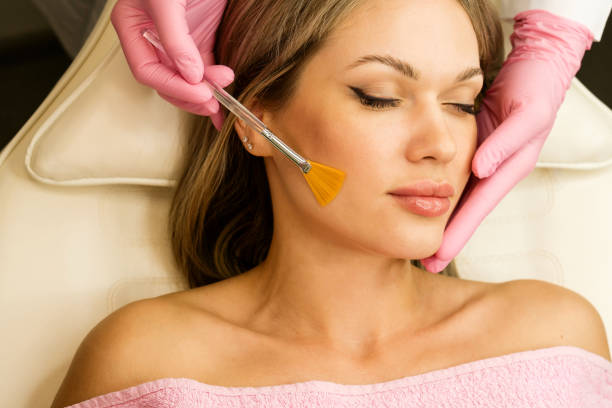
A chemical peel is a professional skin-resurfacing treatment that uses a carefully selected acid solution to remove damaged surface cells and encourage healthy cell turnover. Chemical peels can improve dullness, sun spots, acne, uneven pigmentation, fine lines, and rough texture. The formula and depth are customized to the patient’s skin type and goals.
The words “chemical peel” can sound a little intimidating.
Many first-time patients picture bright red skin, dramatic shedding, or days spent hiding at home. While deeper peels do exist, that image doesn’t represent every treatment. Many modern chemical peels are gentle, highly customizable, and designed to refresh the skin with manageable downtime.
At Skin Theory Aesthetics, chemical peels in Phoenix are selected according to your skin type, sensitivity, concerns, and lifestyle. Some patients want a quick glow before an event. Others need a more structured treatment plan for acne, stubborn pigmentation, or years of Arizona sun exposure.
The goal is never to strip the skin for the sake of peeling. It is to create controlled renewal that leaves the complexion looking smoother, brighter, and healthier.
What Is a Chemical Peel?
A chemical peel is an in-office exfoliation treatment that uses a professional solution to loosen and remove damaged skin cells.
Depending on the formula, a peel may work only on the outermost layer of the epidermis or reach more deeply to address visible pigmentation, fine lines, acne, and texture concerns.
As old cells shed, newer cells move toward the surface. This process can help the skin appear:
- Brighter
- Smoother
- Clearer
- More even in tone
- Less congested
- Softer in texture
- More refreshed
Chemical peels are often described as skin-resurfacing treatments because they help replace a dull, damaged surface with healthier-looking skin.
How Do Chemical Peels Work?
The outermost layer of the skin naturally sheds and renews itself. That process slows with age and can be disrupted by sun exposure, dryness, acne, hormones, and environmental stress.
Dead cells may begin to accumulate, leaving the complexion rough, uneven, or tired-looking.
A chemical peel uses ingredients such as alpha hydroxy acids, beta hydroxy acids, or other professional peeling agents to weaken the bonds holding those damaged cells together. Once they loosen, the skin can shed them more efficiently.
This controlled exfoliation also signals the skin to produce fresh cells. Certain formulas may support collagen remodeling as the skin heals.
Chemical peels can often accomplish more than a facial scrub because they work evenly and can be tailored to a specific depth.
Why Chemical Peels Are Especially Helpful for Phoenix Skin
Phoenix sunshine is one of the best parts of living in the Valley. It is also one of the most persistent challenges for healthy skin.
Year-round UV exposure can contribute to:
- Sun spots
- Uneven pigmentation
- Melasma
- Fine lines
- Rough texture
- Loss of radiance
- Premature aging
Low humidity adds another layer of stress. Dry desert air increases moisture loss, which can leave the skin barrier feeling tight, flaky, or easily irritated.
Then there is everyday life. Driving with the sun hitting one side of your face, hiking, sitting on patios, attending outdoor events, and moving constantly between extreme heat and indoor air conditioning all take a toll over time.
Professional chemical peels in Phoenix can help remove damaged surface cells and encourage more consistent renewal. When paired with daily sun protection and medical-grade skincare, they can become an effective part of maintaining clearer, brighter skin in the desert.
What Skin Concerns Can Chemical Peels Improve?
Chemical peels can address several concerns at once, which is one reason they are so popular.
They may be recommended for:
- Dull or tired-looking skin
- Rough texture
- Uneven skin tone
- Sun spots and age spots
- Post-inflammatory hyperpigmentation
- Melasma
- Acne and clogged pores
- Post-acne marks
- Fine lines
- Mild wrinkles
- Enlarged-looking pores
- Dry surface buildup
The best peel depends on what is causing the concern.
For example, a patient with oily, congested skin may benefit from a different formulation than someone treating dry, sun-damaged skin. A good provider should evaluate the skin rather than choosing a peel from a generic menu.
Understanding Chemical Peel Depths
Chemical peels are commonly categorized as superficial, medium-depth, or deep.
The depth determines how much of the skin is affected, what concerns can be treated, and how much recovery to expect.
Superficial or Light Peels
Light peels treat the outermost layer of the skin.
They often use ingredients such as:
- Glycolic acid
- Lactic acid
- Salicylic acid
- Gentle combination formulas
Light peels may help improve:
- Mild dullness
- Early sun damage
- Congestion
- Rough texture
- Minor pigmentation
- Acne-prone skin
These are often called “lunchtime peels” because treatment is relatively quick and downtime may be minimal.
Some patients experience no obvious peeling at all. Others notice mild dryness or flaking for a few days.
Lack of dramatic peeling does not necessarily mean the treatment failed. The goal is healthy renewal, not winning a contest for how much skin comes off.
Medium-Depth Peels
Medium-depth peels reach farther into the epidermis and may affect the upper dermal layers.
They are commonly used for:
- More noticeable sun damage
- Uneven pigmentation
- Post-acne marks
- Fine lines
- Rough texture
- Early acne scarring
- Melasma, when appropriately selected
These formulas may include TCA or carefully blended acids.
Medium peels usually cause more visible flaking or peeling, commonly lasting several days. They may produce a stronger improvement in fewer sessions, but they also require more careful preparation and aftercare.
Deep Peels
Deep peels penetrate into deeper layers of the skin and are used for significant photoaging, deeper wrinkles, or advanced scarring.
They involve considerably more recovery and medical supervision than the chemical peels most patients receive at a boutique aesthetic practice.
Deep peeling is not the right starting point for most people. In many cases, a well-designed series of lighter or medium treatments can produce meaningful improvement with less risk and disruption.
VI Peel at Skin Theory Aesthetics
Skin Theory Aesthetics offers VI Peel as an advanced medical-grade chemical peel option.
VI Peel is designed to improve several common concerns, including:
- Sun damage
- Hyperpigmentation
- Acne
- Post-acne marks
- Fine lines
- Dullness
- Uneven texture
- Signs of premature aging
One reason patients appreciate VI Peel is that it offers noticeable skin renewal without the extended recovery associated with deeper peels.
The formula continues working after the in-office application. Patients typically follow a specific at-home protocol and begin peeling within the following days.
Heather Starks, PA-C will determine whether VI Peel or another chemical peel option is the best match for your skin.
Who Is a Good Candidate for a Chemical Peel?
Many healthy adults can benefit from chemical peels.
You may be a good candidate if you are concerned about:
- Arizona sun damage
- Brown spots or uneven tone
- Melasma
- Dull skin
- Acne or congestion
- Post-acne discoloration
- Rough texture
- Early fine lines
- A complexion that no longer responds to over-the-counter products
Chemical peels for dull skin can also be helpful for patients who want routine maintenance rather than correction of a major issue.
Who May Need to Delay Treatment?
A chemical peel may need to be postponed or modified if you have:
- Active infection in the treatment area
- Open wounds
- Recent sunburn
- A severely compromised skin barrier
- Certain medication use
- Recent isotretinoin use
- A history of unusual scarring
- Active cold sores without appropriate precautions
- Recent waxing or aggressive resurfacing
- Pregnancy-related restrictions involving specific ingredients
A full consultation matters because skin that looks dull may actually be dehydrated, inflamed, or over-exfoliated.
Sometimes the smartest decision is to repair the barrier first and peel later.
Are Chemical Peels Safe for Darker Skin Tones?
Chemical peels can be safe and effective for many skin tones when the formulation, depth, and preparation are selected carefully.
Patients with deeper skin tones may have a greater risk of post-inflammatory hyperpigmentation after an overly aggressive treatment. That does not mean they cannot receive a peel. It means provider judgment is especially important.
A thoughtful treatment plan may include:
- Conservative peel depth
- Melanin-safe ingredients
- Pre-treatment skincare
- Strict sun protection
- Careful timing between sessions
- Close follow-up during recovery
There is no one-size-fits-all “best peel” for every complexion.
What Happens During a Chemical Peel?
Your visit should begin with a skin assessment and a conversation about your goals.
Heather may review:
- Your medical history
- Current products and prescriptions
- Previous peel experience
- Skin tone and sensitivity
- Pigmentation history
- Sun exposure
- Upcoming events
- Desired downtime
- Primary concerns
The skin is then cleansed and prepared before the peel solution is applied.
You may feel:
- Mild warmth
- Tingling
- Tightness
- A brief stinging sensation
The intensity depends on the peel. Most light and medium treatments are very manageable.
The appointment commonly takes about 30 to 45 minutes, although exact timing varies.
How to Prepare for a Chemical Peel
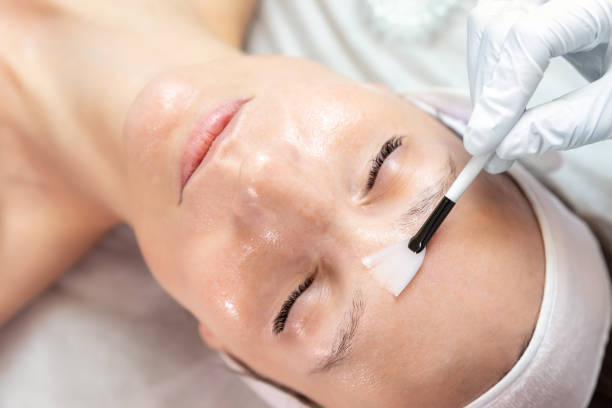
Good preparation helps the peel work more evenly and reduces avoidable irritation.
Your provider may ask you to make several adjustments before treatment.
Avoid Excess Sun
Avoid tanning, sunburn, and prolonged direct exposure for approximately 10 to 14 days before treatment, or as instructed.
Peeling recently sunburned skin can increase the risk of irritation and pigmentation changes.
Pause Certain Active Products
You may need to temporarily stop:
- Retinoids
- Tretinoin
- Strong AHAs
- BHAs
- Physical scrubs
- Benzoyl peroxide
- Other irritating actives
The exact timing depends on the product and peel.
Avoid Waxing and Aggressive Hair Removal
Waxing, depilatory products, and certain hair-removal treatments can disturb the skin barrier.
Pause them in the treatment area for the period recommended by your provider.
Tell Your Provider About Medications
Disclose prescription medications, supplements, recent procedures, cold sore history, and changes in your health.
Even something that seems unrelated may affect healing or treatment timing.
Strengthen the Skin Barrier
Use gentle cleansing, moisturizer, and sunscreen before treatment. A calm, hydrated barrier generally handles a peel better than irritated or overtreated skin.
What Is Recovery Like?
Recovery depends on peel depth and your individual response.
After a Light Peel
You may experience:
- Mild redness
- Tightness
- Dryness
- Light flaking
- Little or no visible peeling
Most patients return to normal activities quickly.
After a Medium-Depth Peel
You may notice:
- Redness or sensitivity
- Tightness
- Temporary darkening of surface pigment
- Visible peeling
- Flaking for several days
The skin may look worse before it looks better. That is normal during the shedding stage.
Do not pick at peeling skin, no matter how tempting it is. Pulling flakes can cause irritation, scarring, or dark marks.
Phoenix-Specific Chemical Peel Aftercare
Aftercare matters everywhere, but the Phoenix climate leaves little room for shortcuts.
Freshly treated skin is more vulnerable to UV damage and dehydration. Protecting it is part of the procedure, not an optional extra.
Follow your provider’s instructions, which may include the following.
Use Broad-Spectrum Sunscreen
Use SPF 50 or higher when recommended and reapply during outdoor exposure.
Hats, shade, and smart scheduling are also helpful. Sunscreen works best when it is not your only layer of defense.
Keep Skincare Gentle
Use only approved:
- Cleansers
- Moisturizers
- Healing products
- Sunscreen
Avoid retinoids, exfoliating acids, scrubs, and other strong ingredients until your provider clears them.
Do Not Pick or Scrub
Allow the skin to shed naturally.
This may test your patience for a few days, but it is one of the most important aftercare rules.
Avoid Heat and Heavy Sweating
Temporarily avoid:
- Hot yoga
- Saunas
- Steam rooms
- Hot tubs
- Strenuous workouts
- Long periods in direct heat
Phoenix is hot enough without adding more inflammation during recovery.
Focus on Hydration
Drink water and use provider-approved barrier support.
The Valley’s dry air can make healing skin feel tighter than expected.
Wait Before Applying Makeup
The appropriate timeline depends on the peel. Some patients may resume makeup after about 24 hours, while others should wait longer.
Follow the specific instructions given for your treatment.
When Will You See Results?
Some patients notice a fresher appearance shortly after the skin settles.
A general timeline may look like this:
First Week
The skin may feel smoother as peeling or flaking resolves.
Weeks 1 to 4
Brightness, clarity, and tone may begin to improve.
Over a Treatment Series
Pigmentation, acne marks, texture, and fine lines can improve more noticeably with repeated treatments.
Chemical peels produce cumulative results. One treatment may create a glow, while a planned series can address more persistent concerns.
How Many Chemical Peels Do You Need?
The number of treatments depends on the peel and your goals.
A common plan may include:
- One treatment for a seasonal refresh
- Three treatments for moderate tone or texture concerns
- Three to six treatments for more persistent pigmentation, acne, or sun damage
- Maintenance peels several times per year
Treatments are often spaced approximately four to six weeks apart, although timing varies.
More is not always better. The skin needs time to renew and recover between stronger treatments.
How Much Do Chemical Peels Cost in Phoenix?
Chemical peel pricing varies based on:
- Peel formula
- Treatment depth
- Provider expertise
- Treatment area
- Required preparation
- Number of sessions
- Whether a package is selected
Skin Theory Aesthetics currently offers professional chemical peel options, including VI Peel. Exact pricing and package recommendations should be confirmed during consultation because services and treatment plans may change.
Cosmetic chemical peels are generally not covered by health insurance.
Chemical Peels vs. Facials
Facials and chemical peels can both support skin health, but they serve different purposes.
A Facial Typically Focuses On:
- Cleansing
- Hydration
- Extractions
- Relaxation
- Surface maintenance
A Chemical Peel Typically Focuses On:
- Controlled exfoliation
- Cell turnover
- Pigmentation
- Acne
- Fine lines
- More noticeable resurfacing
A facial may be the better choice when the barrier needs gentle support. A chemical peel may be more appropriate when the goal is correcting visible tone or texture concerns.
Chemical Peels vs. Microneedling
Chemical peels work primarily through exfoliation and surface renewal.
Microneedling creates controlled microchannels that stimulate collagen below the surface.
Chemical Peels Are Often Better For:
- Dullness
- Pigmentation
- Sun spots
- Melasma
- Congestion
- Surface texture
Microneedling Is Often Better For:
- Acne scars
- Deeper texture changes
- Collagen loss
- Fine lines
- Enlarged pores
Some patients benefit from both treatments in a carefully staggered plan.
Can Chemical Peels Be Combined With Other Treatments?
Yes, but timing is important.
Chemical peels may be combined or sequenced with:
- SkinPen Microneedling
- Vybe RF Microneedling
- Botox or Jeuveau
- Medical-grade skincare
- Subnovii Plasma Pen
For example, a peel may address pigmentation while RF microneedling supports deeper texture and collagen.
Doing every treatment at once is rarely the answer. A thoughtful plan allows each service to do its job without overwhelming the skin.
Common Chemical Peel Mistakes to Avoid
A chemical peel can be safe and effective when properly performed. Many problems come from poor preparation or aftercare.
Avoid these common mistakes:
- Choosing a peel based only on how much it makes you shed
- Using retinoids too soon afterward
- Picking at peeling skin
- Skipping sunscreen
- Scheduling a strong peel immediately before an event
- Treating sunburned or irritated skin
- Using a do-it-yourself peel with professional-strength acids
- Assuming every dark spot should be treated the same way
The strongest treatment is not automatically the smartest treatment.
Why Provider Expertise Matters
A chemical peel is not simply acid applied to the face.
The provider must consider:
- Skin tone
- Pigmentation risk
- Barrier health
- Treatment depth
- Medical history
- Product use
- Peel timing
- Aftercare
- Whether another treatment would be safer or more effective
Skin Theory Aesthetics is led by Heather Starks, PA-C, a board-certified Physician Assistant with advanced aesthetic training.
Heather’s approach is personal, calm, and detail-oriented. She takes time to listen, assess the skin, and recommend care that supports natural beauty rather than chasing aggressive or trendy treatments.
A Straightforward Path to Brighter Skin
Chemical peels offer a reliable way to improve dullness, uneven pigmentation, congestion, and sun-damaged texture.
They are not magic, and they are not right for every concern. But when the peel is matched carefully to your skin, the results can be both noticeable and natural.
For Phoenix patients, the best outcomes come from combining professional exfoliation with consistent sun protection, hydration, and medical-grade home care.
If your skincare products are no longer giving you the improvement you hoped for, schedule a consultation with Skin Theory Aesthetics near the Camelback Corridor.
Heather Starks, PA-C will evaluate your skin and help you choose a chemical peel plan that fits your goals, skin type, and lifestyle.
Frequently Asked Questions
What is a chemical peel?
A chemical peel is an in-office resurfacing treatment that uses a professional acid solution to remove damaged surface cells and encourage healthy cell turnover.
How long does a chemical peel take?
Most chemical peel appointments take approximately 30 to 45 minutes, depending on the formula and preparation required.
Does a chemical peel hurt?
Most patients feel warmth, tingling, or mild stinging. The sensation varies by peel depth but is usually manageable.
Can I wear makeup immediately after a peel?
Not always. Many patients should wait at least 24 hours, while deeper peels may require a longer break. Follow your provider’s specific guidance.
Do chemical peels thin the skin?
No. Properly performed peels remove damaged surface buildup and may support collagen production. Overuse or inappropriate at-home peeling can damage the barrier, which is why professional guidance matters.
How many chemical peels will I need?
One peel may provide a refresh, but three to six treatments may be recommended for persistent pigmentation, acne, sun damage, or texture concerns.
Are chemical peels safe year-round in Phoenix?
Some lighter peels can be performed year-round with careful sun protection. Stronger peels may be easier to schedule during seasons with less outdoor exposure.
Can a chemical peel treat melasma?
Certain chemical peels can help improve melasma, but melasma is complex and can return with heat, hormones, and UV exposure. Treatment usually requires strict sunscreen and ongoing home care.
Can chemical peels help acne scars?
Peels can improve post-acne discoloration and some shallow texture concerns. Deeper acne scars may respond better to SkinPen or RF microneedling.
Are chemical peels safe for darker skin?
Yes, when the formula and depth are selected carefully. Deeper skin tones may require conservative protocols to reduce the risk of post-inflammatory pigmentation.
Is VI Peel a chemical peel?
Yes. VI Peel is a professional medical-grade chemical peel designed to improve concerns such as pigmentation, acne, sun damage, fine lines, and uneven texture.
How much downtime is there after a chemical peel?
Light peels may cause little or no visible peeling. Medium-depth peels commonly cause flaking or peeling for approximately three to seven days.
Can I combine a chemical peel with Botox or Jeuveau?
Yes, but the treatments may need to be spaced appropriately. Your provider will recommend a safe schedule based on your skin and treatment areas.
Can I exercise after a chemical peel?
It is usually best to avoid intense workouts, sweating, heat, and saunas for the period recommended by your provider.
Does insurance cover chemical peels?
Chemical peels performed for cosmetic purposes are generally not covered by health insurance.