Botox has been around long enough that you'd think we'd have stopped hearing the same myths. Yet patients still come in worried they'll lose every facial expression, become “addicted,” look older if they stop, or somehow have toxin accumulating in their body for years. At the other extreme, social media can make Botox look as …
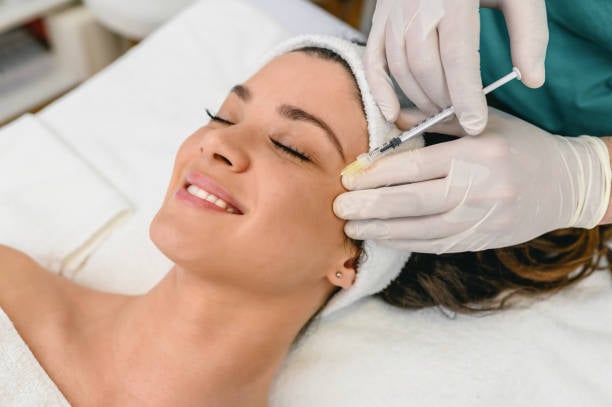
Botox has been around long enough that you’d think we’d have stopped hearing the same myths.
Yet patients still come in worried they’ll lose every facial expression, become “addicted,” look older if they stop, or somehow have toxin accumulating in their body for years. At the other extreme, social media can make Botox look as casual as getting your eyebrows waxed.
Neither picture is particularly accurate.
Botox is a prescription medication and medical aesthetic treatment. It temporarily reduces muscle activity to soften certain expression lines. Done thoughtfully, the goal isn’t to erase your personality or make your forehead completely motionless. It’s to soften the movements creating unwanted lines while keeping the result appropriate for your face.
For patients considering Botox in Phoenix, AZ, understanding what the treatment can and cannot do is one of the best ways to get a result you’ll actually like.
Featured Snippet: What Are the Biggest Myths About Botox?
Botox doesn’t have to freeze your face, isn’t only for deep wrinkles, and doesn’t permanently change your facial muscles. It temporarily reduces targeted muscle activity, with cosmetic results typically lasting about three to four months. Safe, natural-looking results depend heavily on proper dosing, facial anatomy, injection placement, and appropriate patient selection.
Botox Myths vs. Facts at a Glance
| Myth | Fact |
| Botox freezes your face | Excessive or poorly planned treatment can look stiff. Conservative dosing can preserve natural movement. |
| Botox is only for deep wrinkles | It primarily treats dynamic lines caused by repeated muscle movement. |
| Botox works instantly | Improvement develops over several days, and the result is commonly evaluated around two weeks. |
| Botox builds up in your body | Its effects gradually wear off as neuromuscular function returns. |
| You’ll look older if you stop | Movement gradually returns and your appearance trends back toward its untreated state. |
| Botox is addictive | Botox doesn’t cause physical dependence. |
| More units always last longer | More isn’t automatically better. Dose and placement should match the muscle and treatment goal. |
| Botox fixes every wrinkle | It treats movement-related wrinkles, not every cause of facial aging. |
| The brand matters most | Product matters, but injector skill, anatomy, placement, and dosing are critical. |
| All wrinkle relaxers are identical | They’re related medications, but formulations and dosing units aren’t interchangeable. |
| Botox always stops working eventually | True secondary nonresponse can occur, but neutralizing antibodies appear to be uncommon. |
| Botox can tighten sagging skin | It changes muscle activity. It doesn’t remove loose skin or replace a facelift. |
First, What Does Botox Actually Do?
Botox Cosmetic contains onabotulinumtoxinA, a form of botulinum toxin type A.
When injected into a targeted muscle, it interferes with the nerve signal responsible for muscle contraction. The effect is temporary.
That makes Botox particularly useful for dynamic wrinkles, meaning lines created or worsened by facial movement.
Common examples include:
- Frown lines between the eyebrows
- Forehead lines
- Crow’s feet around the eyes
FDA-approved botulinum toxin products temporarily improve certain facial lines by reducing muscle contraction.
This distinction matters because not every wrinkle comes from muscle movement.
Sometimes what patients call “wrinkles” are really related to sun damage, collagen loss, skin laxity, volume changes, or texture. Those concerns require a different conversation.
Myth #1: Botox Freezes Your Face
Fact: A frozen appearance is not the goal of well-planned Botox.
This is probably the most common fear we hear.
Patients want their frown lines softened, but they still want to smile, raise their eyebrows, laugh, and look like themselves.
That’s entirely reasonable.
Botox does reduce muscle activity. If enough medication is placed into the wrong areas, or a patient specifically requests very little movement, the result can look more “frozen.”
But modern aesthetic treatment can be much more nuanced.
Before injecting, an experienced provider evaluates how your face moves.
That includes:
- Where your brows naturally sit
- How strongly your forehead contracts
- Whether one side is stronger than the other
- How you frown
- How your eyes move when you smile
- Whether your forehead is compensating for naturally heavier brows or eyelids
A dose that looks beautiful on one patient can feel heavy on another.
This is why copying somebody else’s injection map or number of units isn’t a particularly useful way to plan your treatment.
At Skin Theory Aesthetics, Heather Starks, PA-C focuses on natural-looking results that soften unwanted lines without automatically eliminating every bit of expression.
Myth #2: Botox Is Only for Deep Wrinkles
Fact: Botox works on muscle movement, not simply wrinkle depth.
Wrinkles often begin as dynamic lines.
Raise your eyebrows and horizontal forehead lines appear. Frown and you see the “11s.” Smile and lines form around your eyes.
At first, those lines may disappear when your face relaxes.
After years of repeated folding, some can become visible even when your face is resting. These are often called static lines.
Botox can reduce the repeated movement contributing to those creases, but an established static wrinkle may not disappear completely from Botox alone.
That patient may benefit from combining neuromodulator treatment with something that improves skin quality, such as:
- SkinPen Microneedling
- Vybe RF Microneedling
- Chemical peels
- Professional skincare
- Other appropriately selected treatments
The goal is to identify why the line exists before deciding how to treat it.
Myth #3: Preventative Botox Is Only a Trend for People in Their 20s
Fact: Preventative Botox is about movement patterns, not a birthday.
There is no magic age when everybody should start Botox.
Some people have strong frown muscles and begin seeing lines linger at rest relatively early. Others can reach their 40s with very little static wrinkling.
“Baby Botox” generally refers to a more conservative dosing approach, not a treatment that everyone should begin at 25.
A better question is:
Are repeated facial movements beginning to create lines that bother you?
If the answer is no, there may be nothing to prevent.
Starting Botox simply because your friends are doing it isn’t a medical indication.
Myth #4: Botox Is Unsafe Because It’s a Toxin
Fact: Botox is a prescription medication with established cosmetic and medical uses, but it still has risks.
The word “toxin” understandably gets people’s attention.
Botulinum toxin products are used in carefully controlled doses for both medical and cosmetic purposes. FDA-approved cosmetic products are used to temporarily reduce certain facial wrinkles.
That does not mean Botox should be described as risk-free.
Potential side effects include:
- Injection-site discomfort
- Redness
- Swelling
- Bruising
- Headache
- Temporary eyelid or brow drooping
The current Botox Cosmetic prescribing information also contains a boxed warning concerning the potential spread of toxin effect beyond the injection site, which can cause serious symptoms in rare circumstances.
This is one reason we don’t like treating injectables as casually as a facial.
Botox has a strong history of use, but it’s still a medication. Medical history, anatomy, dosing, contraindications, and injector experience matter.
Myth #5: Botox Builds Up in Your Body
Fact: Botox’s effect is temporary and gradually wears off.
Botox doesn’t keep accumulating in your forehead every time you receive treatment.
The medication temporarily interrupts communication at the targeted neuromuscular junction. Over time, nerve signaling and muscle activity return.
That’s why maintenance treatment is needed if you want to preserve the cosmetic effect.
The fact that you need another appointment several months later isn’t evidence that Botox has “worn your muscles out.”
It’s evidence that the effect is temporary.
Myth #6: Botox Results Are Instant
Fact: Botox takes time to develop.
You shouldn’t expect to leave your appointment, look in the mirror in the parking lot, and see your finished forehead.
The effect develops gradually over the following days.
Many patients begin noticing changes within several days, with the result continuing to develop afterward. A follow-up around the two-week point is useful because the medication has had enough time to show its effect.
That matters if one eyebrow initially looks different from the other.
Day two is generally too early to decide that something needs “fixing.”
Patience is part of the treatment.
Myth #7: If You Stop Botox, You’ll Suddenly Look Older
Fact: Your muscle movement gradually returns.
Stopping Botox doesn’t create a penalty.
As the medication wears off, treated muscles regain activity and expression lines gradually return.
You haven’t suddenly aged five years because you skipped an appointment.
What can happen is psychological: after spending months seeing a softer frown or smoother forehead in the mirror, your old movement pattern looks surprisingly noticeable when it comes back.
You simply got used to seeing the treated version.
Myth #8: Botox Is Addictive
Fact: Botox does not create physical dependence.
There is no Botox withdrawal syndrome requiring you to continue injections.
Patients often return because they like the cosmetic result, just as someone might continue coloring their hair or receiving professional skincare treatments.
That’s a preference, not chemical addiction.
If you decide you don’t want another treatment, you can stop.
Myth #9: More Botox Units Mean Better and Longer-Lasting Results
Fact: More isn’t automatically better.
A stronger muscle may appropriately require more product than a weaker one.
But adding units simply for the sake of adding units can produce unwanted effects.
Too much weakening in certain areas may contribute to:
- A heavy forehead
- Lower brow position
- Unnatural movement
- Facial imbalance
The goal is the appropriate dose in the appropriate muscle.
Not the biggest dose you’re willing to pay for.
Myth #10: Botox Treats Every Sign of Facial Aging
Fact: Botox treats muscle activity. It doesn’t fix everything.
This is one of the most useful distinctions a patient can understand.
Botox can be excellent for movement-related wrinkles.
It will not directly correct:
- Significant loose or sagging skin
- Sun-damaged texture
- Acne scars
- Lost facial volume
- Crepey cheek skin
- Pigmentation
- Significant eyelid hooding
For example, increasing forehead Botox won’t tighten a loose jawline.
If your concern is skin quality or mild laxity, a treatment such as Vybe RF Microneedling may make more sense. If pigmentation and surface damage are the issue, a chemical peel or skincare plan may be more appropriate.
Good aesthetic medicine is often less about finding the “best” treatment and more about matching the right tool to the right problem.
Myth #11: The Botox Brand Matters More Than the Injector
Fact: Product selection matters, but the person holding the syringe matters enormously.
Facial anatomy isn’t standardized.
Two patients can have completely different:
- Forehead heights
- Brow positions
- Muscle strengths
- Natural asymmetries
- Expression patterns
- Treatment goals
A few millimeters can matter around certain muscles.
Poorly planned placement or dosing can contribute to undesirable outcomes such as brow heaviness, eyelid drooping, or asymmetry. Botox Cosmetic clinical trials have reported adverse effects including brow and eyelid ptosis.
The best injector isn’t necessarily the person who promises the most units or the lowest price.
It’s someone who understands anatomy, watches your face move, listens to the result you want, and knows when not to inject something.
Myth #12: All Wrinkle Relaxers Are the Same
Fact: They’re in the same general family, but they’re not interchangeable.
Botox is so well known that people often use “Botox” as shorthand for the entire category.
Several botulinum toxin type A products are used in aesthetic medicine, including products such as:
- Botox Cosmetic (onabotulinumtoxinA)
- Dysport (abobotulinumtoxinA)
- Xeomin (incobotulinumtoxinA)
- Jeuveau (prabotulinumtoxinA)
Skin Theory Aesthetics offers both Botox and Jeuveau.
Different products have their own formulations, labeling, dosing, and clinical characteristics. Most importantly, their units cannot simply be converted as though they’re identical measurements. The FDA specifically warns that Botox Cosmetic potency units cannot be compared with or converted into units of other botulinum toxin products.
So if a friend tells you she received a certain number of “units” of a different neuromodulator, don’t assume you should receive the same number.
Botox vs. Jeuveau: What’s the Difference?
Because Skin Theory offers both, this is a more useful comparison for our patients than trying to rank every wrinkle relaxer on the market.
Both Botox and Jeuveau are botulinum toxin type A neuromodulators used to temporarily reduce targeted muscle activity.
The best choice can depend on:
- Treatment area
- Previous experience
- How you’ve responded to a product before
- Provider preference and experience
- Your aesthetic goals
For most patients, the conversation shouldn’t begin with, “Which brand is strongest?”
It should begin with, “What bothers me, what is causing it, and how much movement do I want to preserve?”
Myth #13: Botox Eventually Stops Working for Everyone
Fact: True treatment resistance can occur, but it appears to be uncommon.
This is an area where overly simple internet answers can become misleading.
Some patients report that a botulinum toxin treatment doesn’t seem to work as well as it once did.
Possible explanations include:
- Dose
- Injection placement
- Muscle strength
- Treatment interval
- Product differences
- Expectations
- True secondary nonresponse
Neutralizing antibodies are a real biological phenomenon and can reduce treatment effectiveness in some patients.
However, they’re uncommon. A large meta-analysis of onabotulinumtoxinA registration studies found neutralizing antibodies in 0.5% of evaluable patients across therapeutic and aesthetic indications, with only five antibody-positive subjects classified as secondary nonresponders. Earlier data specifically involving glabellar-line patients also found a very low antibody conversion rate. Schedule a consultation.
So “Botox can never stop working” is too absolute.
But assuming you’re permanently immune because one treatment didn’t last as long as expected is also premature.
Myth #14: If Botox Stops Working, You’re Immune Forever
Fact: A shorter-lasting result doesn’t automatically mean antibody resistance.
True immunoresistance requires more consideration than, “My forehead started moving early this time.”
Research on botulinum toxin resistance emphasizes that neutralizing antibodies are only one potential reason for secondary nonresponse.
An experienced provider should first review the practical possibilities:
- Was the dose appropriate?
- Was the correct muscle treated?
- Has your muscle pattern changed?
- Was the treatment interval different?
- Did the product produce any effect at all?
- Is the concern actually something Botox can treat?
This is another reason chasing frequent “top-offs” without reassessing the face isn’t necessarily a good strategy.
Myth #15: Cheap Botox Is the Same as Botox Anywhere Else
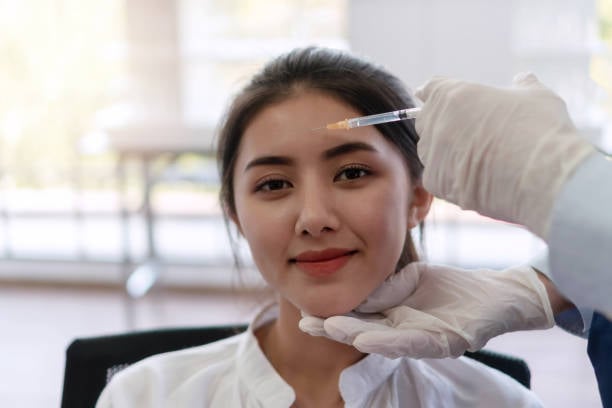
Fact: Price doesn’t tell you the whole story.
Patients understandably compare cost per unit.
But you’re not purchasing gasoline.
You’re paying for a prescription medication, proper sourcing and handling, medical expertise, facial assessment, injection technique, and follow-up.
A bargain isn’t much of a bargain if you end up with a heavy brow you didn’t want.
When comparing Botox providers in Phoenix, ask:
- Who is actually performing the injections?
- What are their medical credentials?
- How much experience do they have with facial anatomy and neuromodulators?
- Which product are they using?
- How do they determine dosing?
- Do they evaluate your facial movement first?
- What happens if you have a concern afterward?
- Is follow-up available?
Shopping intelligently is good.
Shopping by price alone is not.
Myth #16: Men and Women Should Receive the Same Botox Pattern
Fact: Botox should be based on anatomy and muscle activity, not a template.
Men often have stronger or larger facial muscles, but sex alone doesn’t determine the dose.
A petite woman can have a remarkably strong glabella. A man can have a forehead that needs conservative treatment because of his natural brow position.
The face in front of the injector is what matters.
This also affects aesthetics.
Some patients want a softer brow. Others prefer maintaining a straighter, stronger appearance. Treatment should respect those preferences rather than applying the same “Instagram forehead” to everyone.
What Should Natural-Looking Botox Actually Look Like?
Ideally, someone notices that you look refreshed without immediately knowing why.
You should still look like yourself.
For many Skin Theory patients, that means:
- Softer frown lines
- A smoother-looking forehead
- Reduced crow’s feet
- Preserved facial expression
- Natural brow position
- Symmetry appropriate to their anatomy
Perfect symmetry isn’t a realistic goal because human faces aren’t perfectly symmetrical before treatment.
The goal is balance, not artificial perfection.
How Long Does Botox Last?
For many cosmetic patients, Botox results last approximately three to four months, although individual duration varies.
Factors can include:
- Treatment area
- Dose
- Muscle strength
- Metabolism
- Previous treatment history
- Individual response
Some people notice movement returning sooner. Others remain happy with their result longer.
The correct maintenance schedule is the one that fits your face and goals, not an arbitrary date on a membership calendar.
What Happens During a Botox Appointment?
A good Botox appointment should involve more than sitting down and immediately receiving injections.
1. Consultation
Heather reviews your goals, medical history, previous injectable experience, medications, and other relevant factors.
2. Facial Assessment
You’ll make expressions.
Expect to frown, raise your brows, squint, and smile.
This shows how your muscles actually work.
3. Treatment Planning
Injection locations and dose are selected based on your anatomy and desired level of movement.
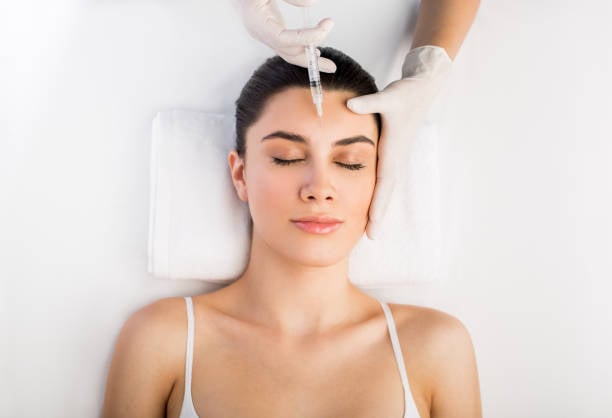
4. Injections
Botox is administered through a very fine needle into targeted muscles.
The actual injection portion is generally quick.
5. Aftercare
You’ll receive instructions for the hours and days following treatment.
Phoenix Botox Aftercare: What Actually Matters?
Living in Phoenix creates an obvious question: What about heat?
Botox isn’t going to “melt” because you walked from the office to your car in August.
Still, the immediate post-treatment period isn’t a great time for a strenuous Camelback hike, hot yoga class, sauna session, or intense workout.
Follow the aftercare instructions Heather gives you for your particular treatment.
Can You Exercise After Botox?
Many practices recommend postponing strenuous exercise for the remainder of the day or approximately 24 hours.
Light normal activity is generally different from an intense workout.
More importantly, don’t rub or aggressively manipulate the injection sites immediately after treatment.
Can You Go Outside After Botox in Phoenix?
Yes. Botox does not require hiding indoors.
Still, sunscreen and sunglasses are smart year-round habits in Arizona.
Sun exposure doesn’t simply dissolve Botox, but UV exposure contributes to photoaging, while habitual squinting contributes to the facial movements that create crow’s feet.
Can You Drink Alcohol After Botox?
Alcohol may increase the likelihood of bruising in some patients, so your provider may recommend avoiding it around treatment.
Can You Use Retinol After Botox?
Botox works in muscle rather than on the surface of your skin, so retinol doesn’t chemically cancel the medication.
However, injections can leave small, temporarily irritated areas. Waiting until the skin is comfortable before applying potentially irritating products may be sensible.
Follow your provider’s instructions based on your skincare routine.
What Are the Real Risks of Botox?
Transparency builds more trust than pretending cosmetic medicine has zero risk.
Common temporary effects can include:
- Injection-site discomfort
- Redness
- Swelling
- Bruising
- Headache
Depending on the treatment area, unwanted muscle effects can include:
- Brow heaviness
- Eyelid drooping
- Asymmetry
The Botox Cosmetic label reports eyelid ptosis in clinical studies of glabellar-line treatment and brow ptosis among reported adverse reactions for forehead-line treatment.
Rare but serious adverse effects are also possible, and the prescribing information includes warnings regarding distant spread of toxin effect.
This is why your medical history matters and why neuromodulators should be treated as prescription medications, not party favors. For patients considering Botox in Phoenix for a younger look, choosing an experienced medical provider and discussing your treatment goals and health history is an important part of the process.
Who Should Not Get Botox?
Not everyone is an appropriate candidate.
Botox may need to be avoided or postponed depending on factors such as:
- Infection at the proposed injection site
- Certain neuromuscular conditions
- Previous hypersensitivity to a botulinum toxin product or its components
- Certain medications that can interact with neuromuscular function
- Pregnancy or breastfeeding
The FDA notes that cosmetic botulinum toxin injection is not recommended during pregnancy or lactation.
Your provider needs an accurate medical and medication history before treatment.
How to Choose a Botox Injector in Phoenix
Finding someone who offers Botox isn’t difficult.
Finding someone whose aesthetic judgment matches yours is more important.
Look for a provider who:
- Has appropriate medical training
- Understands facial anatomy
- Evaluates your face at rest and in motion
- Discusses your desired amount of movement
- Explains realistic results
- Uses appropriately sourced products
- Doesn’t automatically recommend more units
- Provides clear aftercare
- Is available if you have a concern
- Is willing to tell you when Botox isn’t the right treatment
Heather Starks, PA-C brings a medical background and a conservative, natural-results philosophy to injectable treatments at Skin Theory Aesthetics.
That philosophy matters.
The goal isn’t to create a forehead that advertises the fact that you had Botox.
It’s to help you look refreshed while still recognizing the person in the mirror.
The Truth About Botox Is Less Dramatic Than the Myths
Botox is neither the terrifying toxin internet horror stories make it out to be nor a completely casual beauty treatment with no medical considerations.
It’s a prescription medication with decades of clinical use that can temporarily soften movement-related wrinkles when used appropriately.
The difference between a result that feels natural and one that doesn’t often comes down to something surprisingly simple: the right product, the right dose, in the right muscle, for the right patient.
If you’re considering Botox in Phoenix, AZ, Skin Theory Aesthetics offers personalized consultations with Heather Starks, PA-C to evaluate your facial movement, discuss how much expression you want to preserve, and determine whether Botox, Jeuveau, or another treatment better matches your goals. Book now.
Because your treatment plan should be based on your face, not someone else’s forehead on Instagram.
Frequently Asked Questions About Botox
Does Botox freeze your face?
Botox reduces activity in targeted facial muscles, but it doesn’t have to eliminate all movement. Conservative dosing and careful placement can soften wrinkles while preserving natural facial expression.
How long does Botox take to work?
Many patients begin noticing changes within several days. The result continues developing afterward, which is why providers commonly wait until around two weeks before evaluating whether any adjustment is appropriate.
How long does Botox last?
Cosmetic Botox commonly lasts around three to four months, although duration varies by treatment area, dose, muscle strength, metabolism, and individual response.
Does Botox make you look older when it wears off?
No. As Botox wears off, muscle activity gradually returns and expression lines can become visible again. Treatment doesn’t cause you to suddenly age faster than you otherwise would.
Is Botox addictive?
Botox doesn’t cause physical dependence or a withdrawal syndrome. Patients may choose repeat treatments because they prefer their appearance with softened expression lines.
Does Botox build up in your body?
Botox’s neuromuscular effect is temporary. Muscle activity gradually returns over time, which is why repeat treatment is needed to maintain cosmetic results.
Can Botox stop working after years of treatment?
It can become less effective in some patients, but true antibody-related secondary nonresponse appears uncommon. Research found low rates of neutralizing antibody formation with onabotulinumtoxinA, and other factors should be considered before assuming resistance.
Can your body become immune to Botox?
Neutralizing antibodies can develop and potentially reduce response, so saying immunity is impossible would be inaccurate. However, antibody formation has been uncommon in studies of onabotulinumtoxinA, particularly at cosmetic doses.
Is Botox safe long term?
Botulinum toxin type A has been used repeatedly in medical and cosmetic care for many years. Long-term cosmetic research continues to be published, including a recent real-world study following repeat onabotulinumtoxinA patients for an average of about 15 years. Individual safety still depends on medical history, dose, indication, and appropriate administration.
Will exercising after Botox cause it to migrate?
It’s too simplistic to say exercise will make Botox “migrate.” Providers commonly recommend temporarily avoiding strenuous exercise after injections as a precaution. Follow your injector’s specific aftercare instructions and avoid rubbing or putting unnecessary pressure on freshly treated areas.
Can I hike after Botox in Phoenix?
Normal light activity may be reasonable, but scheduling a strenuous hike immediately after treatment, especially during extreme Phoenix heat, isn’t ideal. Follow your provider’s exercise and heat restrictions before returning to intense outdoor activity.
Can I lie down after Botox?
Many injectors provide temporary positioning instructions after treatment. Follow the specific guidance you’re given rather than assuming every internet “four-hour rule” is universally required.
Can I fly after Botox?
Air travel itself is not known to deactivate Botox. If you’re flying immediately after treatment, discuss timing with your injector, particularly if you won’t be available locally for follow-up.
Can I drink alcohol after Botox?
Alcohol may make bruising more likely in some patients. Your provider may recommend limiting alcohol around your appointment, especially if you bruise easily.
Can I use retinol after Botox?
Retinol does not cancel Botox’s effect on the muscle. However, if the injection sites are irritated, waiting until the skin settles before restarting potentially irritating skincare may be appropriate.
Can Botox make your eyelids or eyebrows feel heavy?
Yes. Unwanted weakening of certain muscles can contribute to brow heaviness or eyelid drooping. Botox Cosmetic clinical trials have reported brow and eyelid ptosis as potential adverse reactions.
Is eyelid drooping after Botox permanent?
Botox-related muscle effects are temporary, but any suspected eyelid or brow ptosis should be discussed with your injector so it can be properly evaluated.
Does more Botox last longer?
Not necessarily. Dose can influence effect, but simply injecting more product isn’t a reliable or appropriate strategy for maximizing duration. Excessive weakening can produce unwanted heaviness or loss of expression.
Is preventative Botox worth it?
It may make sense when repeated muscle movement is beginning to create lines that persist at rest and those lines bother you. There is no universal age when everyone should start preventative Botox.
What is Baby Botox?
“Baby Botox” is an informal term commonly used for conservative neuromodulator dosing intended to soften movement while preserving more expression. It isn’t a separate Botox product and isn’t defined by the patient’s age.
What’s the difference between Botox and Jeuveau?
Both are botulinum toxin type A neuromodulators used for cosmetic treatment. They are different prescription products with their own labeling and formulation. Skin Theory offers both, allowing treatment to be selected according to the patient and provider’s clinical judgment.
Are Botox, Dysport, Xeomin, and Jeuveau units the same?
No. Botulinum toxin potency units are product-specific and shouldn’t be directly compared or converted as though they were the same measurement. The FDA specifically states that Botox Cosmetic units cannot be compared with or converted into units of other botulinum toxin products.
Can Botox tighten loose skin?
Botox primarily reduces targeted muscle activity. It doesn’t directly tighten loose skin. Patients concerned with skin laxity may be better candidates for collagen-stimulating treatments such as RF microneedling or another skin tightening approach.
Can Botox replace a facelift?
No. Botox can soften wrinkles caused by muscle movement, but it cannot remove excess skin or reposition deeper facial tissues.
Can Botox help forehead lines that are visible when I’m not moving?
It may soften them by reducing repeated muscle folding, but established static lines may also require treatments aimed at skin quality and collagen remodeling.
Is Botox safe during pregnancy or breastfeeding?
Cosmetic botulinum toxin treatment is generally deferred during pregnancy and breastfeeding. The FDA states that cosmetic botulinum toxin injection is not recommended while pregnant or lactating.
How often should I get Botox?
Many patients return approximately every three to four months, but there is no reason every patient must follow the exact same schedule. Your treatment interval should reflect how long your result lasts, your goals, and your provider’s recommendations.
What’s more important, the Botox brand or the injector?
Both matter, but excellent results depend heavily on the provider’s understanding of anatomy, dosing, injection placement, facial movement, and aesthetic judgment. A premium product cannot compensate for a poorly planned treatment.