
Most patients need 3 to 6 RF microneedling sessions for visible, lasting results. Mild concerns like dullness or early fine lines may improve with 2 to 3 treatments, while acne scars, deeper wrinkles, enlarged pores, or skin laxity often require 4 to 6 sessions spaced 4 to 6 weeks apart. You’ve done the research. You’ve …
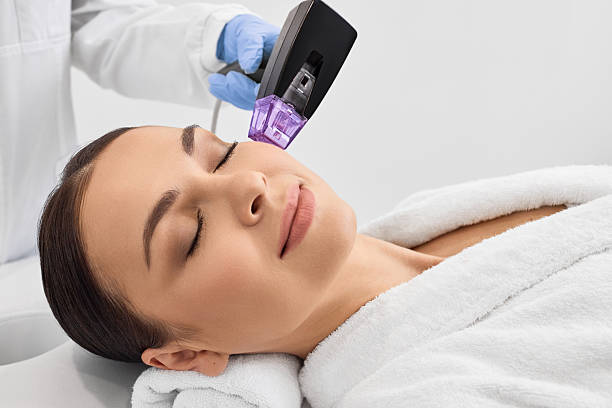
Most patients need 3 to 6 RF microneedling sessions for visible, lasting results. Mild concerns like dullness or early fine lines may improve with 2 to 3 treatments, while acne scars, deeper wrinkles, enlarged pores, or skin laxity often require 4 to 6 sessions spaced 4 to 6 weeks apart.
You’ve done the research. You’ve looked at before-and-afters. You’ve probably read enough microneedling articles to feel like you could explain collagen remodeling at dinner.
Now the real question is simple:
How many RF microneedling sessions will I actually need before I see results?
It’s a fair question. Skin treatments are an investment, and nobody wants to feel like they’re signing up for an endless calendar of appointments.
For most patients considering RF microneedling in Phoenix, AZ, the answer is usually 3 to 6 sessions, depending on your skin concerns, goals, age, and how your skin responds.
At Skin Theory Aesthetics, Heather Starks, PA-C customizes every treatment plan because your skin is not a template. It has its own history, its own healing speed, and, here in Arizona, its own relationship with the sun.
What Is RF Microneedling?
RF microneedling combines two proven skin rejuvenation methods:
- Microneedling
- Radiofrequency energy
During treatment, ultra-fine sterile needles create controlled microchannels in the skin. At the same time, radiofrequency heat is delivered into the dermis, the deeper layer where collagen and elastin production happen.
This dual action stimulates your body’s natural repair process.
Over time, RF microneedling can help improve:
- Acne scars
- Fine lines
- Wrinkles
- Enlarged pores
- Uneven texture
- Mild skin laxity
- Crepey skin
- Overall skin firmness
Topical skincare can do wonderful things for the skin barrier, but it can’t reach these deeper structural layers in the same way. RF microneedling works where many surface products simply can’t.
Why Results Take More Than One Session
RF microneedling is not a “one and done” treatment for most patients.
And that’s not a bad thing.
The treatment works by asking your body to rebuild collagen. Collagen formation takes time. Your skin has to move through inflammation, repair, and remodeling before the most noticeable changes appear.
Trying to rush that process by scheduling treatments too close together can stress the skin instead of helping it heal.
A proper treatment series gives your skin time to respond, rebuild, and strengthen after each session.
The Standard RF Microneedling Treatment Plan
Most patients benefit from 3 to 6 RF microneedling sessions spaced about 4 to 6 weeks apart.
Here’s a general guide:
2 to 3 Sessions
Best for:
- Preventative care
- Dull skin
- Mild fine lines
- Light texture concerns
- Early collagen support
- A general glow boost
3 to 4 Sessions
Best for:
- Moderate texture changes
- Enlarged pores
- Fine lines
- Mild wrinkles
- Early skin laxity
- Mild acne scars
4 to 6 Sessions
Best for:
- Acne scars
- Deeper texture concerns
- Mild to moderate skin laxity
- More visible wrinkles
- Crepey skin
- Post-inflammatory scarring
This range is not about upselling. It’s about biology.
Your skin needs time to build new collagen in layers.
Why Phoenix Skin May Need Extra Support
Phoenix is beautiful, but it is tough on skin.
Our climate brings:
- Intense UV exposure
- Dry desert air
- Heat
- Dehydration
- Sun damage
- Collagen breakdown
- Pigmentation risk
Patients with years of Arizona sun exposure may need more sessions than someone with minimal photoaging.
That doesn’t mean your skin can’t improve. It absolutely can. It just means your treatment plan needs to account for the environment your skin lives in every day.
This is also why aftercare and sunscreen matter so much here.
In Phoenix, SPF is not optional skincare. It’s part of your results plan.
Factors That Influence How Many Sessions You’ll Need
No two RF microneedling plans should look exactly alike.
Your provider will consider several factors before recommending a treatment series.
Your Aesthetic Goals
A patient who wants a brighter glow before an event needs a different plan than someone treating acne scars from years ago.
Common goals include:
- Smoother texture
- Firmer skin
- Reduced scars
- Smaller-looking pores
- Fine line improvement
- Skin tightening
- Preventative collagen support
The bigger the goal, the more sessions are usually needed.
Your Skin Condition at the Start
More pronounced concerns typically require more collagen remodeling.
For example, someone with mild dullness may see satisfying improvement after fewer sessions. Someone with pitted acne scars will likely need a full series.
That’s normal.
Scar tissue is stubborn because it formed deep in the skin. Improving it takes repeated stimulation over time.
Your Age and Collagen Response
Younger skin often has more active fibroblasts, the cells that help produce collagen.
That does not mean mature skin can’t respond beautifully. It can. It may simply need more support, more sessions, or a stronger maintenance plan.
Your Lifestyle
Your skin’s healing response can be affected by:
- Sun exposure
- Smoking
- Hydration
- Nutrition
- Hormones
- Stress
- Sleep
- Skincare habits
A patient who follows aftercare, avoids sun exposure, and uses medical-grade skincare often gets more out of each treatment.
Your Skin Type and Tone
RF microneedling can be appropriate for many skin tones when settings are chosen carefully.
This is especially important in a diverse city like Phoenix. A qualified provider will account for your skin tone, pigmentation risk, and healing history before choosing settings.
When Will You See Results From RF Microneedling?
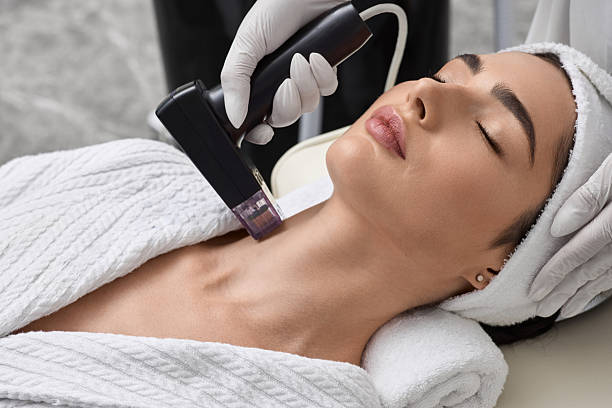
Some improvements appear early, but the biggest changes take time.
After Sessions 1 to 2: Weeks 1 to 8
This is when many patients notice:
- Healthier glow
- Softer texture
- Less dullness
- Slight pore refinement
- Smoother makeup application
The first few sessions often create the “something looks better” effect.
It’s subtle, but encouraging.
After Sessions 3 to 4: Weeks 12 to 20
This is where deeper changes start becoming more visible.
You may notice:
- Fine lines softening
- Acne scars looking shallower
- Skin feeling firmer
- Pores looking smaller
- Texture becoming more even
- Better overall tone
This is usually when patients start saying, “Okay, now I see it.”
After Sessions 5 to 6: Weeks 20 to 30+
For deeper concerns, the later sessions build on everything your skin has already started.
Patients may notice:
- More defined facial contours
- Better jawline firmness
- Softer scar edges
- Smoother overall texture
- More even skin tone
- Improved skin resilience
Results look gradual because they are built by your own skin.
That’s why they tend to look natural.
Peak Results: 3 to 6 Months After Your Series
Your final RF microneedling session is not the finish line.
Collagen continues maturing for several months after treatment.
Many patients see their best improvement 3 to 6 months after completing a series, especially for acne scars, texture, and laxity.
This is one reason progress photos are so helpful. Day-to-day changes can feel subtle, but side-by-side photos often tell the story clearly.
RF Microneedling vs. Traditional Microneedling
Traditional microneedling stimulates collagen through controlled micro-injuries.
RF microneedling adds radiofrequency energy, which allows for deeper heating and stronger collagen remodeling.
Traditional Microneedling May Be Better For:
- Mild texture concerns
- Light fine lines
- General skin refresh
- Patients wanting minimal intensity
RF Microneedling May Be Better For:
- Acne scars
- Skin tightening
- Larger pores
- Deeper wrinkles
- Mild laxity
- More advanced texture changes
Neither treatment is “better” for everyone. The right choice depends on your skin and goals.
Can RF Microneedling Be Combined With Other Treatments?
Yes, and for many patients, a thoughtful combination plan gives the best result.
RF microneedling may pair well with:
- Botox or Jeuveau for expression lines
- Chemical peels for pigmentation and surface brightness
- SkinPen Microneedling for ongoing texture support
- Subnovii Plasma Pen for targeted tightening
- Medical-grade skincare for long-term maintenance
The key is proper timing.
Too much at once can irritate the skin. A good provider will sequence treatments so they work together safely.
How Long Do RF Microneedling Results Last?
RF microneedling results commonly last 12 to 24 months, depending on your skin, lifestyle, age, and maintenance plan.
Aging continues, of course. So does sun exposure, especially in Arizona.
To maintain results, many patients schedule:
- 1 to 2 maintenance treatments per year
- Seasonal skincare updates
- Regular SPF use
- Annual reassessment
Think of it like fitness. You don’t stop working out once you feel stronger. You maintain what you’ve built.
How to Get the Best Results From RF Microneedling
Your results don’t depend only on the treatment itself.
What you do before and after matters.
Before Treatment
Your provider may recommend that you:
- Avoid sunburn or recent tanning
- Pause retinoids or harsh exfoliants
- Arrive with clean skin
- Discuss medications and medical history
- Avoid scheduling right before a major event
After Treatment
Support healing by:
- Avoiding direct sun exposure
- Wearing broad-spectrum SPF
- Using gentle skincare
- Avoiding retinoids and acids temporarily
- Staying hydrated
- Avoiding heavy sweating for a short period
- Not picking or scrubbing the skin
Phoenix patients need to be especially careful with sun exposure after treatment because newly treated skin is more vulnerable.
Why Choose Skin Theory Aesthetics for RF Microneedling in Phoenix?
At Skin Theory Aesthetics, RF microneedling is not treated like a quick, one-size-fits-all service.
Heather Starks, PA-C evaluates your skin type, concerns, medical history, lifestyle, and goals before creating a treatment plan.
That personalized approach matters because the right needle depth, energy level, timing, and aftercare can make a meaningful difference in your outcome.
The goal is simple:
Healthier skin.
Natural improvement.
Confidence that still looks like you.
Your Next Step
You don’t need to guess your treatment plan based on internet articles alone.
A consultation gives you a clearer answer based on your actual skin, not averages.
If you’re considering RF microneedling in Phoenix, AZ, schedule a consultation at Skin Theory Aesthetics. Heather Starks, PA-C will help you understand how many sessions you may need, what results are realistic, and how to build a treatment plan around your skin goals.
Frequently Asked Questions
How quickly will I see results from RF microneedling?
Most patients notice early improvements in glow and texture within 2 to 4 weeks. Structural changes, like scar softening and tightening, usually build over 3 to 6 months.
How many RF microneedling sessions do I need for acne scars?
Acne scars often require 4 to 6 sessions, depending on scar depth and skin response. Deeper scars may need combination treatments.
Is RF microneedling better than traditional microneedling?
RF microneedling can reach deeper layers because it combines microneedling with radiofrequency heat. It is often better for tightening, acne scars, and deeper texture concerns.
How long do RF microneedling results last?
Results often last 12 to 24 months with proper maintenance, skincare, and sun protection.
Does RF microneedling hurt?
Topical numbing makes the treatment very tolerable. Most patients describe it as warm, prickly, or mildly uncomfortable rather than painful.
Is RF microneedling safe for darker skin tones?
It can be safe for many skin tones when performed by an experienced provider using appropriate settings. A consultation helps assess pigmentation risk and skin response.
How much downtime should I expect?
Most patients experience redness and mild swelling for 1 to 3 days. Some dryness or flaking can also occur.
Can I wear makeup after RF microneedling?
Most patients should wait at least 24 hours before applying makeup, but your provider will give specific aftercare instructions based on your skin.
Can I combine RF microneedling with Botox?
Yes, but timing matters. Your provider may recommend spacing treatments or sequencing them in a specific order for safety and best results.
How often should I do maintenance treatments?
Many patients maintain results with 1 to 2 RF microneedling touch-up sessions per year, depending on age, skin goals, and sun exposure.