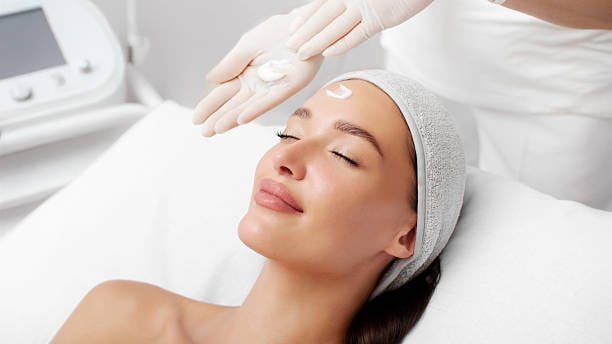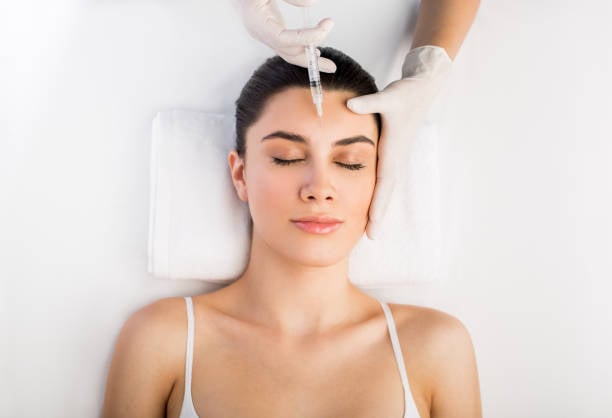
Non-surgical skin tightening uses treatments such as RF microneedling and plasma energy to stimulate collagen and elastin without incisions. Controlled micro-injuries or heat activate the skin’s natural repair process, gradually improving mild laxity, fine lines, texture, and firmness. Results develop over several months and require far less recovery than surgery. There’s a moment many people …
Non-surgical skin tightening uses treatments such as RF microneedling and plasma energy to stimulate collagen and elastin without incisions. Controlled micro-injuries or heat activate the skin’s natural repair process, gradually improving mild laxity, fine lines, texture, and firmness. Results develop over several months and require far less recovery than surgery.
There’s a moment many people recognize.
You glance at a photo and notice that your jawline looks softer than it used to. The skin around your eyes seems a little thinner. Maybe your neck has started showing creases that weren’t there a few years ago.
You still look like yourself, of course. You simply want the outside to feel a little more aligned with how energetic and confident you feel inside.
That’s where non-surgical skin tightening in Phoenix can be helpful.
Modern treatments such as Vybe RF Microneedling and Subnovii Plasma Pen don’t cut, remove, or pull the skin. Instead, they create a carefully controlled healing response that encourages your body to produce fresh collagen and elastin.
The result isn’t an overnight transformation. It’s a gradual improvement in firmness, texture, and skin quality that still looks completely natural.
What Causes Loose Skin?
Skin gets much of its firmness and flexibility from two structural proteins:
- Collagen provides strength and support.
- Elastin helps the skin stretch and return to its original position.
Both are concentrated within the dermis, the supportive layer beneath the skin’s surface.
As we age, collagen production slows and existing fibers become weaker. Sun exposure, hormonal changes, smoking, stress, weight fluctuations, and environmental damage can accelerate that process.
Over time, you may begin to notice:
- Early jowling
- Reduced jawline definition
- Crepey skin
- Fine lines
- Loose neck skin
- Thinner-looking skin
- Reduced elasticity
- Changes around the eyes and mouth
Loose skin is not simply a surface issue, which is why creams alone can only do so much. Topical skincare supports hydration and barrier health, but it cannot physically reposition tissue or produce the same deeper collagen response as an in-office treatment.
How Phoenix’s Desert Climate Affects Skin Firmness
Living in the Valley comes with plenty to love, but the climate asks a lot of your skin.
Phoenix residents are exposed to strong ultraviolet radiation for much of the year. Add low humidity, dry indoor air conditioning, heat, and frequent outdoor activity, and the skin barrier can become dehydrated while collagen breaks down faster.
The effects tend to accumulate in areas that receive constant exposure, including the:
- Face
- Neck
- Décolleté
- Jawline
- Forearms
- Hands
Many patients don’t notice the change all at once. It often shows up slowly as rougher texture, increased crepiness, softening along the lower face, or lines that remain even when the face is relaxed.
This local context matters. A skin-tightening plan in Phoenix should account for sun history, pigmentation risk, hydration, and the patient’s ability to avoid UV exposure during recovery.
How Does Non-Surgical Skin Tightening Work?
Non-surgical skin tightening creates a controlled physical or thermal stimulus within the skin.
Your body interprets that stimulus as a signal to repair the treated tissue. Fibroblasts, the cells involved in collagen production, become more active. Existing collagen fibers may contract, while new collagen and elastin gradually develop.
This process is known as collagen remodeling.
Unlike surgery, these treatments don’t remove excess skin or reposition deeper facial structures. They improve the quality and support of the existing tissue.
That distinction is important.
Non-surgical treatments can create meaningful improvement for mild to moderate laxity, but they are not a replacement for a surgical facelift when significant sagging or excess skin is present.
Why Collagen Remodeling Takes Time
It’s tempting to expect an immediate lift after treatment. You may see some early firmness, but initial changes can be partly related to temporary swelling or immediate contraction of collagen fibers.
The deeper improvement develops over time.
Your skin must move through several natural stages:
- Initial response: The controlled treatment activates the healing process.
- Repair: Fibroblasts begin producing new structural proteins.
- Remodeling: Collagen fibers mature, strengthen, and reorganize.
- Ongoing improvement: Skin quality continues changing over the following months.
This is why the most convincing results often appear gradually.
You don’t suddenly look like a different person on Monday morning. Instead, your skin begins looking smoother, stronger, and more rested. That’s usually the better outcome anyway.
Leading Non-Surgical Skin Tightening Treatments in Phoenix
Skin Theory Aesthetics offers two different collagen-stimulating technologies: Vybe RF Microneedling and Subnovii Plasma Pen.
Both support natural rejuvenation, but they work at different depths and are suited to different concerns.
Vybe RF Microneedling
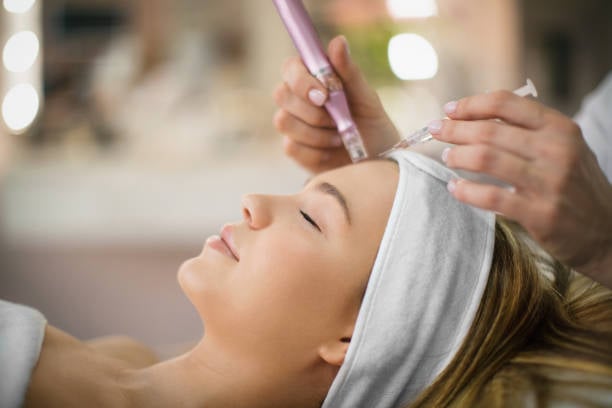
RF microneedling combines controlled microneedling with radiofrequency energy.
During treatment, very fine needles enter the skin at a customized depth. Radiofrequency energy is then delivered into the dermis, creating targeted heat below the surface.
The combination provides two forms of stimulation:
- Mechanical stimulation from the microneedles
- Thermal stimulation from radiofrequency energy
Together, they trigger collagen and elastin remodeling while helping improve the skin’s texture and support.
What RF Microneedling Can Improve
Vybe RF Microneedling may be recommended for:
- Mild to moderate skin laxity
- Fine lines and wrinkles
- Enlarged pores
- Acne scars
- Uneven texture
- Crepey skin
- Loss of firmness
- Early jawline softening
- Face, neck, and décolleté rejuvenation
RF microneedling is especially useful when a patient wants broader improvement rather than treatment of one tiny, isolated area.
How Many RF Microneedling Sessions Are Needed?
Many patients benefit from a series of approximately three treatments spaced four to six weeks apart.
The exact number depends on:
- The severity of laxity
- The area being treated
- Acne scarring or texture concerns
- Age and skin quality
- Treatment settings
- Personal goals
A lighter plan may be appropriate for prevention or general rejuvenation. More established texture changes or laxity may require additional sessions.
Subnovii Plasma Pen
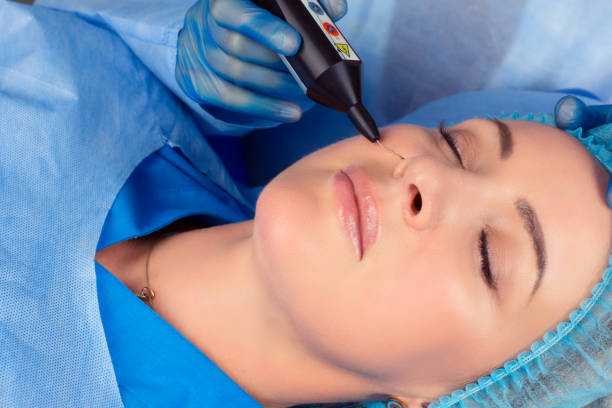
Subnovii uses plasma energy for precise, targeted skin contraction.
The device creates a small arc of ionized energy just above the skin. This produces controlled treatment points on the surface, followed by a healing response and collagen remodeling.
Tiny carbon crusts form at the treatment points and naturally flake away as the skin heals.
What Subnovii Plasma Pen Can Improve
Subnovii is often considered for smaller or more delicate areas, including:
- Mild upper eyelid laxity
- Crow’s feet
- Fine lines around the mouth
- Crepey neck skin
- Small areas of laxity
- Textural irregularities
- Certain acne scars
- Décolleté lines
Its precision can make it especially helpful in areas that need focused surface contraction rather than broad treatment.
How Many Plasma Pen Treatments Are Needed?
Some patients achieve their desired improvement after one treatment. Others may benefit from two or three sessions, depending on the concern and treatment area.
Because Subnovii creates visible treatment dots, patients should be comfortable with several days of social downtime.
RF Microneedling vs. Plasma Pen
Neither treatment is universally better. They simply solve different problems.
| Treatment Factor | Vybe RF Microneedling | Subnovii Plasma Pen |
| Primary action | Microneedling plus RF heat | Targeted plasma energy |
| Treatment depth | Mid to deeper dermal layers | More focused surface treatment |
| Best for | Texture, scars, pores, broader laxity | Eyelids, lip lines, small areas |
| Typical plan | Often a series of 3 | Often 1 to 3 sessions |
| Common downtime | Redness and swelling for a few days | Visible crusts for about 5 to 10 days |
| Results | Gradual firmness and texture improvement | Targeted contraction and collagen renewal |
A patient concerned about acne scars, enlarged pores, and overall firmness may be better suited to RF microneedling.
Someone focused on upper eyelid skin or fine lines around the mouth may be a stronger candidate for Subnovii.
In some cases, the treatments may be sequenced as part of a broader rejuvenation plan.
Who Is a Good Candidate for Non-Surgical Skin Tightening?
The best candidates usually have mild to moderate laxity and realistic expectations.
You may be a good candidate if you:
- Notice early jowling or jawline softening
- Have mild neck laxity
- Want to improve crepey skin
- Have sun-related texture changes
- Want to support collagen before sagging becomes advanced
- Prefer gradual, natural-looking results
- Want to avoid surgery or extended recovery
- Have loose skin after moderate weight loss
- Are willing to follow aftercare and sun-protection instructions
Patients who have lost a significant amount of weight, including those using GLP-1 medications, may notice new facial or body laxity as volume changes. Collagen-stimulating treatments can help some patients improve skin quality, although they cannot replace lost facial volume or remove significant excess skin.
Who May Not Be a Good Candidate?
Non-surgical tightening may not be appropriate for everyone.
Treatment may need to be delayed or avoided if you have:
- Active skin infection
- Open wounds in the treatment area
- Recent sunburn
- Certain medical conditions
- Poor wound-healing history
- Unrealistic expectations
- Severe sagging that requires surgical repositioning
- A skin tone or pigmentation history that increases risk with a particular device
Plasma treatments require especially thoughtful evaluation because post-inflammatory pigmentation can occur in some skin tones.
A qualified provider should assess your skin, medical history, medications, goals, and healing tendencies before recommending either treatment.
What Areas Can Be Treated?
Depending on the technology and individual candidacy, non-surgical skin tightening may be used on the:
- Face
- Jawline
- Neck
- Submental area beneath the chin
- Upper and lower eye area
- Lines around the mouth
- Décolleté
- Abdomen
- Upper arms
- Thighs
- Areas affected by pregnancy or weight changes
Not every device is ideal for every area. RF microneedling is generally more appropriate for broader treatment zones, while Subnovii is often used for smaller, precise concerns.
What Happens During Treatment?
Your appointment begins with a consultation and skin assessment.
Heather Starks, PA-C will review your:
- Medical history
- Current skincare
- Previous aesthetic treatments
- Skin type and tone
- Areas of concern
- Sun exposure
- Desired outcome
- Available recovery time
A topical numbing cream is generally applied before treatment.
Most appointments take approximately 30 to 60 minutes, although larger or more detailed areas may require additional time.
Patients often describe RF microneedling as a warm or prickling sensation. Subnovii may feel like a series of quick, localized zaps. Numbing helps make both treatments more manageable.
What Is the Downtime?
Downtime depends on the treatment, area, and intensity.
RF Microneedling Recovery
After Vybe RF Microneedling, you may experience:
- Redness
- Mild swelling
- Warmth
- Tightness
- Temporary sensitivity
- Light dryness or flaking
Many patients return to regular activities within one to three days, although redness may last longer for some.
Subnovii Plasma Pen Recovery
After Subnovii, small carbon crusts form at each treatment point.
These dots usually remain visible for approximately five to ten days. Swelling can also occur, particularly around the eyes.
The crusts must be allowed to fall away naturally. Picking them can increase the risk of irritation, pigmentation changes, infection, or scarring.
Plasma Pen offers less recovery than surgery, but it should not be marketed as having no downtime. The visible healing stage is real, and patients should plan accordingly.
How Soon Will You See Results?
Non-surgical skin tightening is a gradual process.
A typical timeline may look like this:
First Few Days
You may notice temporary tightness, swelling, or an early glow as the skin begins healing.
Weeks 4 to 8
Texture may feel smoother, and the skin may begin looking firmer or more refined.
Months 2 to 3
Collagen remodeling becomes more noticeable. Fine lines may soften, and treated areas may appear better supported.
Months 3 to 6
Many patients see their strongest improvement during this period as new collagen continues maturing.
Results vary based on age, treatment area, baseline laxity, health, sun exposure, and aftercare.
Taking consistent photographs is helpful because gradual changes can be difficult to notice from one day to the next.
What Results Should You Realistically Expect?
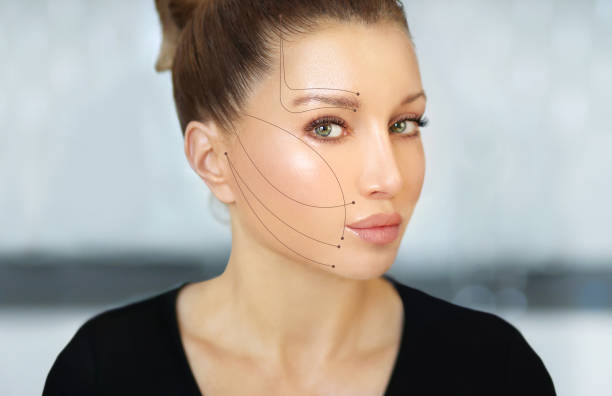
A good non-surgical skin tightening result should look believable.
Patients may notice:
- A cleaner-looking jawline
- Smoother neck texture
- Improved firmness
- Softer fine lines
- Less crepiness
- Better texture
- A refreshed appearance
What these treatments generally will not do is create the same lifting or tissue repositioning as surgery.
Someone with advanced jowling, significant neck laxity, or large amounts of excess skin may be disappointed if expecting facelift-level results from an energy-based treatment.
Honest expectations protect both the patient and the outcome.
Preparing for Treatment in Phoenix
Arizona’s climate makes preparation especially important.
Your provider may recommend that you:
- Avoid tanning and direct sun before treatment
- Do not arrive with a sunburn
- Pause retinoids or exfoliating acids as directed
- Disclose recent procedures and medications
- Stay well hydrated
- Arrive with clean skin
- Plan around travel, events, and outdoor activities
Patients considering Subnovii should plan for visible healing and avoid scheduling it immediately before a wedding, vacation, photoshoot, or important meeting.
Phoenix-Specific Aftercare
Protecting newly treated skin from UV exposure is one of the most important parts of recovery.
After RF Microneedling
You may be instructed to:
- Use a gentle cleanser
- Apply a recommended moisturizer
- Avoid retinoids and exfoliating acids temporarily
- Skip strenuous exercise and intense heat initially
- Avoid picking or scrubbing
- Wear broad-spectrum SPF
- Stay out of direct sun
After Subnovii
You may also need to:
- Leave the carbon crusts completely alone
- Avoid applying unapproved products
- Limit heat and sweating
- Follow specific cleansing instructions
- Use only recommended healing products
- Protect the area from sun well beyond the visible healing period
Expert Tip from Skin Theory Aesthetics
One of the most common mistakes is investing in collagen-building treatments while being inconsistent with sunscreen.
In Phoenix, UV protection is not separate from your treatment. It is part of the treatment.
Fresh collagen can still be damaged by ongoing sun exposure. Daily broad-spectrum SPF, hats, shade, and thoughtful scheduling help protect both your skin and your investment.
Can Skin Tightening Be Combined With Other Treatments?
Yes. In fact, aging often responds best to a carefully sequenced plan because no single treatment addresses every concern.
Non-surgical skin tightening may be combined with:
- Botox or Jeuveau for movement-related wrinkles
- SkinPen Microneedling for texture and acne scars
- Chemical peels or VI Peel for pigmentation and dullness
- Medical-grade skincare for barrier health and maintenance
- Dermal filler when volume loss is part of the concern
For example, RF microneedling may strengthen the skin while Jeuveau softens frown lines. A chemical peel could later address pigmentation that neither treatment targets directly.
The goal is not to pile on treatments. It is to identify what is causing each concern and choose the right tool in the right order.
How Much Does Non-Surgical Skin Tightening Cost in Phoenix?
Pricing varies based on:
- Technology
- Treatment area
- Number of sessions
- Treatment intensity
- Provider expertise
- Whether multiple areas are treated
- Package pricing
At Skin Theory Aesthetics, Vybe RF Microneedling pricing currently varies by treatment area, while Subnovii pricing begins with a consultation-based assessment.
Because treatment plans are personalized, the most accurate quote comes after evaluating your skin and goals.
Cosmetic skin tightening is generally not covered by health insurance.
How Long Do Results Last?
New collagen can provide lasting structural improvement, but no aesthetic treatment stops aging.
Results may last a year or longer, depending on:
- Age
- Skin quality
- Sun exposure
- Treatment type
- Number of sessions
- Skincare
- Smoking
- Hormonal changes
- Weight fluctuations
- Maintenance
Many patients benefit from periodic maintenance, often every 12 to 24 months, although individual schedules vary.
How to Maintain Your Results
To protect your results:
- Wear broad-spectrum SPF every day.
- Reapply sunscreen when outdoors.
- Use medical-grade skincare appropriate for your skin.
- Avoid smoking.
- Eat adequate protein and nutrient-rich foods.
- Stay hydrated.
- Protect your face and neck with hats and shade.
- Follow the recommended maintenance schedule.
- Have your skin reassessed as it changes.
You do not need a complicated 12-step routine. A consistent plan built around cleansing, targeted treatment, hydration, and sunscreen usually serves patients far better than a bathroom cabinet full of half-used products.
Why Provider Experience Matters
The device does not make every decision.
A trained provider must determine:
- Whether you are a candidate
- Which technology fits your concern
- Appropriate treatment depth
- Safe energy settings
- How many sessions to recommend
- Whether another treatment would work better
- How to reduce pigmentation risk
- What aftercare your skin requires
Skin Theory Aesthetics is led by Heather Starks, PA-C, a board-certified Physician Assistant with advanced training in medical aesthetics.
Her approach is calm, personalized, and conservative. The goal is to enhance your natural features and improve skin health without overcorrecting or pushing treatments that do not fit your needs.
Is Non-Surgical Skin Tightening Worth It?
It can be, for the right patient.
Non-surgical skin tightening is most worthwhile when you:
- Have mild to moderate laxity
- Understand that results are gradual
- Want natural-looking improvement
- Can follow sun-protection instructions
- Prefer less recovery than surgery
- Are committed to maintenance
- Choose a qualified provider
It is less worthwhile when expectations are unrealistic or when severe laxity requires a surgical solution.
The best aesthetic care is not built on promising that every treatment works for everyone. It is built on helping each patient choose wisely.
A Natural Path Forward
Non-surgical skin tightening is not about changing your face or pretending aging is something to fear.
It is about supporting the structure of your skin so it can remain healthier, firmer, and more resilient over time.
Vybe RF Microneedling and Subnovii Plasma Pen offer different ways to stimulate collagen and address laxity without surgery. The right choice depends on where the concern is located, how much downtime you can manage, and what kind of improvement is realistic for your skin.
If you are considering non-surgical skin tightening in Phoenix, schedule a consultation with Skin Theory Aesthetics near the Camelback Corridor.
Heather Starks, PA-C will evaluate your skin, listen to your concerns, and create a thoughtful plan designed to help you look refreshed, confident, and naturally yourself.
Frequently Asked Questions
Does collagen stimulation continue after treatment?
Yes. Collagen remodeling can continue for several months after RF microneedling or plasma treatment, which is why results often improve gradually.
Can non-surgical skin tightening replace a facelift?
Non-surgical treatment can improve mild to moderate laxity, but it cannot provide the same level of tissue repositioning as surgery. Advanced sagging may require a surgical consultation.
Are the results permanent?
No. New collagen may provide long-lasting improvement, but natural aging continues. Sun protection, skincare, and periodic maintenance can extend the results.
Is Plasma Pen safe for every skin tone?
Not necessarily. Some skin tones have a greater risk of post-inflammatory pigmentation or scarring. A qualified provider must evaluate your skin before recommending plasma treatment.
How does living in Phoenix affect skin-tightening results?
Phoenix’s strong UV exposure and dry climate contribute to collagen breakdown and dehydration. Patients must be especially consistent with sunscreen and aftercare to protect their results.
Is RF microneedling safe for darker skin tones?
RF microneedling can be appropriate for many skin tones because energy is delivered beneath the surface. Settings still need to be customized by an experienced provider.
Can skin tightening help loose skin after weight loss?
It may improve mild to moderate laxity after weight loss by stimulating collagen. Significant excess skin may require surgical removal for the most noticeable correction.
How many treatments will I need?
RF microneedling commonly involves a series of approximately three treatments. Subnovii may require one to three sessions. Your exact plan depends on your skin and goals.
What does treatment feel like?
With topical numbing, RF microneedling is often described as warmth or prickling. Subnovii may feel like quick, focused zaps. Comfort varies by area and individual sensitivity.
How much downtime should I expect?
RF microneedling commonly causes redness and mild swelling for one to three days. Subnovii creates visible treatment dots that may remain for five to ten days.
Can I combine skin tightening with Botox or Jeuveau?
Yes. Skin tightening supports collagen and tissue quality, while Botox or Jeuveau softens wrinkles caused by facial movement. Treatments should be safely timed by your provider.
Does insurance cover non-surgical skin tightening?
No. These are elective cosmetic treatments and are generally not covered by health insurance.