Botox is an injectable neuromodulator that temporarily reduces nerve signals to carefully selected facial muscles. As those muscles relax, the skin above them folds less often, which softens dynamic wrinkles such as forehead lines, frown lines, and crow’s feet. Results usually begin within several days and last about three to four months. Phoenix sunshine is …
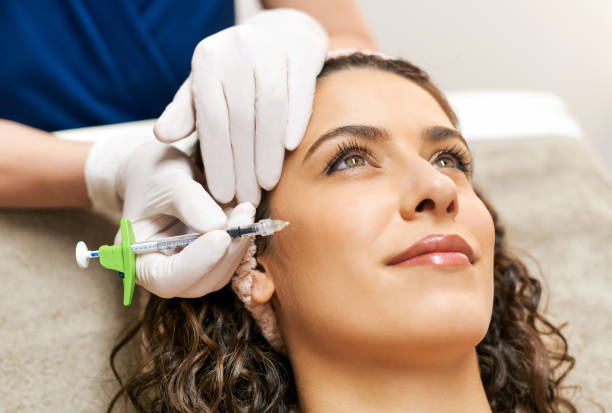
Botox is an injectable neuromodulator that temporarily reduces nerve signals to carefully selected facial muscles. As those muscles relax, the skin above them folds less often, which softens dynamic wrinkles such as forehead lines, frown lines, and crow’s feet. Results usually begin within several days and last about three to four months.
Phoenix sunshine is easy to love.
The desert sunsets, patio weather, mountain trails, and nearly year-round blue skies are part of what make the Valley special. Your skin, however, may not share the same enthusiasm.
Strong ultraviolet exposure, dry air, and years of squinting in bright sunlight can make forehead lines, crow’s feet, and frown lines appear earlier or settle more deeply than expected.
That is one reason Botox in Phoenix, AZ remains such a popular aesthetic treatment. It can soften expression lines without adding volume, removing skin, or changing the features that make your face your own.
At Skin Theory Aesthetics, Heather Starks, PA-C approaches Botox with restraint and attention to detail. The goal is not to make your face motionless. It is to reduce the tension that can make you look tired, stern, or older than you feel while preserving a natural range of expression.
What Is Botox?
Botox Cosmetic is a prescription injectable made from a purified form of botulinum toxin type A.
It belongs to a category of treatments called neuromodulators. Other products in this category include Jeuveau, Dysport, and Xeomin.
When injected into a carefully selected muscle, Botox temporarily reduces the nerve signal that tells that muscle to contract. The muscle relaxes, movement becomes less forceful, and the skin above it is allowed to smooth.
Botox does not physically fill a wrinkle.
That distinction matters because Botox and dermal filler solve different problems.
- Botox reduces muscle movement that creates expression lines.
- Dermal filler restores volume or supports contours beneath the skin.
A deep crease caused mainly by repeated frowning may improve with Botox. A hollow caused by volume loss may need a different approach.
Good aesthetic care starts by identifying the cause of the concern, not simply treating every line the same way.
How Botox Works on Wrinkles
Every facial expression involves a coordinated pattern of muscle contraction.
You raise your eyebrows when surprised. You squint in bright sunlight. You smile, concentrate, laugh, and frown. Each expression folds the skin in familiar places.
When the skin is young and elastic, it returns to a smooth resting position easily. As collagen and elasticity decline, those repeated folds may begin to linger.
Botox reduces the strength of selected contractions. The skin is folded less aggressively and has an opportunity to look smoother while the treatment is active.
The effect is temporary and localized.
Your body gradually restores communication between the nerve and muscle, which is why movement returns over time and maintenance appointments are needed.
Dynamic Wrinkles vs. Static Wrinkles
Understanding the difference between dynamic and static wrinkles helps set realistic expectations.
Dynamic Wrinkles
Dynamic wrinkles appear when the face moves.
Examples include:
- Forehead lines when raising the eyebrows
- Frown lines between the brows
- Crow’s feet while smiling or squinting
- Bunny lines along the nose
These lines generally respond best to Botox because muscle movement is their primary cause.
Static Wrinkles
Static wrinkles remain visible when the face is completely relaxed.
They often develop after years of repetitive movement combined with collagen loss, sun exposure, and skin thinning.
Botox may soften a static line by reducing the movement that keeps deepening it, but an established crease may not disappear completely. Depending on the skin, a broader plan may include:
- Medical-grade skincare
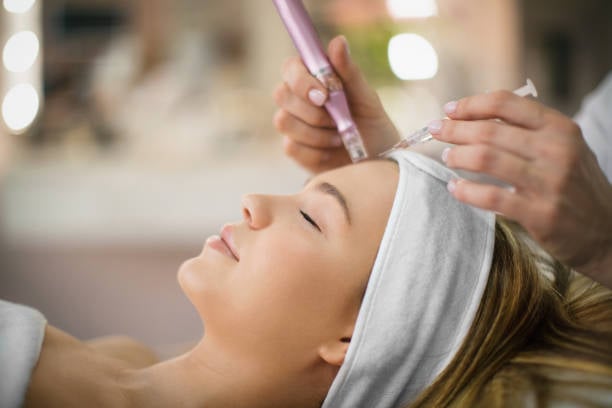
- SkinPen Microneedling
- Vybe RF Microneedling
- Chemical peels or VI Peel
- Dermal filler in carefully selected cases
Botox treats the movement. Other treatments may be needed to improve the skin itself.
Why Botox Is Especially Relevant for Phoenix Skin
Arizona’s climate does not cause every wrinkle, but it can make several contributing factors more pronounced.
Phoenix residents regularly deal with:
- Intense UV exposure
- Low humidity
- Dry indoor air conditioning
- Frequent squinting
- Outdoor exercise and recreation
- Cumulative sun damage
- Skin dehydration
Squinting is a natural reflex, not a bad habit. Still, doing it day after day can strengthen the muscles around the eyes and between the brows.
Many patients notice that their face looks tense even when they feel perfectly relaxed. Others say their frown lines make them look frustrated or tired.
Botox can reduce that unintended expression while keeping the face recognizably yours.
Daily sunscreen remains essential. Botox may soften movement lines, but it does not protect collagen from ultraviolet damage or correct pigmentation caused by years in the Arizona sun.
Common Botox Treatment Areas
Botox dosing should be based on facial anatomy, muscle strength, symmetry, and the amount of movement a patient wants to preserve.
The following unit ranges are general examples only. They are not a treatment recommendation or guaranteed dose.
Forehead Lines
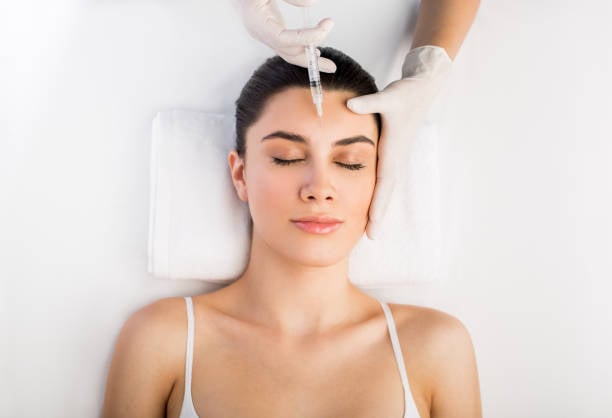
Horizontal forehead lines form when the frontalis muscle raises the eyebrows.
A common treatment range may be approximately 10 to 20 units or more, depending on muscle strength and the treatment plan.
The forehead requires careful balancing because the frontalis helps elevate the brows. Using too much product or placing it poorly can make the brows feel heavy.
This is one of the clearest examples of why injector judgment matters more than chasing the lowest per-unit price.
Glabellar Lines, or the “11s”
The vertical lines between the eyebrows are caused by muscles that draw the brows inward and downward.
These lines can make someone look worried, frustrated, or stern even when they are not.
A typical treatment may involve approximately 15 to 30 units, although individual needs vary.
Crow’s Feet
Crow’s feet form at the outer corners of the eyes from smiling and squinting.
They are often part of a warm, expressive face, so the goal does not need to be complete erasure.
Conservative treatment can soften the lines while preserving a natural smile.
A common range may be about 10 to 15 units or more per side, depending on anatomy and product selection.
Subtle Brow Lift
Carefully placed Botox may create a slight lifting effect by balancing the muscles that pull the brows downward.
This is not a surgical brow lift, and the change should be subtle.
For the right patient, it can help the eyes look a little more open and rested.
Bunny Lines
Bunny lines appear along the sides or bridge of the nose during smiling or scrunching.
They generally require a small amount of product, but precise placement is important.
Lip Flip
A Botox lip flip relaxes a small portion of the muscle around the upper lip.
This can allow slightly more of the upper lip to show without adding filler volume.
The effect is subtle and temporary. It can also affect certain lip movements, so patients should understand the tradeoffs before treatment.
Gummy Smile
Small amounts of Botox may reduce excessive upper-lip elevation when smiling.
A gummy smile has several possible causes, so an evaluation is needed to determine whether Botox is appropriate.
Chin Dimpling
An overactive chin muscle can create a pebbled or dimpled texture.
Botox may soften that contraction and create a smoother resting appearance.
Downturned Corners of the Mouth
Selected muscles can pull the corners of the mouth downward.
Conservative treatment may help the resting expression look less tense or sad.
Masseter and Jawline Treatment
Botox may be used in the masseter muscles for jaw tension, clenching, or facial slimming in suitable patients.
This treatment often requires more product than common upper-face areas and should be planned carefully. Excessive weakening can affect chewing or alter facial balance.
Neck Bands
Prominent vertical neck bands may respond to neuromodulator treatment in selected patients.
Botox cannot remove loose neck skin, but it may reduce muscular banding that contributes to an aged appearance.
Will Botox Make You Look Frozen?
It can, if it is overused or poorly placed.
But a frozen result is not an unavoidable part of Botox.
Natural-looking treatment depends on:
- Studying how the face moves
- Choosing the right muscles
- Using an appropriate dose
- Respecting natural asymmetry
- Preserving useful movement
- Understanding how one area affects another
- Knowing when not to inject
Some patients prefer more movement. Others want a smoother result. Neither preference is wrong.
The treatment should be tailored to the person sitting in the chair, not copied from a standard injection map.
At Skin Theory Aesthetics, Heather’s philosophy centers on subtle improvement. You should still be able to smile, laugh, raise your brows, and look like yourself.
Who Is a Good Candidate for Botox?
Botox may be appropriate for healthy adults who want to soften movement-related lines or prevent them from becoming more established.
You may be a good candidate if you:
- Have forehead lines, frown lines, or crow’s feet
- Want natural-looking wrinkle reduction
- Prefer little to no downtime
- Are interested in preventative treatment
- Understand that results are temporary
- Have realistic expectations
- Are willing to follow aftercare instructions
Who Should Avoid or Delay Botox?
Botox may not be recommended for people who:
- Are pregnant or breastfeeding
- Have an active infection at the injection site
- Have certain neuromuscular disorders
- Have a known allergy to the product or its ingredients
- Are taking medications that may interfere with treatment
- Have unrealistic expectations
Every patient should receive a medical review before treatment.
Be honest about medications, supplements, allergies, previous reactions, and health conditions. That information helps the provider make safer decisions.
What Happens During a Botox Consultation?
A good consultation is more than asking which lines bother you.
Heather may evaluate:
- Your facial movement at rest and during expression
- Brow height and symmetry
- Eyelid position
- Muscle strength
- Previous injectable history
- Medical history
- Current medications
- Areas you want treated
- Areas you want left alone
- Desired amount of movement
- Upcoming events
- Budget and maintenance preferences
You may be asked to smile, frown, squint, raise your eyebrows, or make other expressions.
That is not small talk. It is how an injector maps the muscles responsible for your concerns.
The consultation is also the time to discuss what Botox cannot accomplish. Honest expectations are a major part of a good result.
What Is the Botox Treatment Like?
The treatment itself is usually quick.
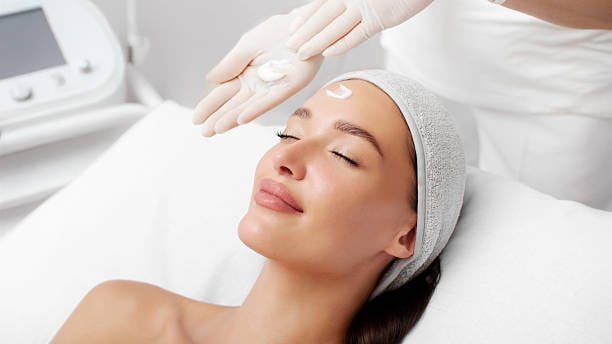
After the skin is cleansed, Heather uses a fine needle to place small, measured amounts of Botox into the selected muscles.
Most appointments take approximately 10 to 20 minutes once the assessment is complete.
Patients often describe the sensation as:
- A quick pinch
- Mild pressure
- Brief stinging
- Very manageable discomfort
Tiny bumps may appear at the injection points immediately afterward. They usually settle quickly.
No sedation or general anesthesia is required.
How to Prepare for Botox
Preparation is usually simple.
Before your appointment:
- Share your full medication and supplement list.
- Tell your provider about previous neuromodulator treatments.
- Avoid arriving with irritated or infected skin.
- Discuss any history of bruising or fainting with injections.
- Arrive with clean skin when possible.
- Avoid scheduling immediately before an important event if you tend to bruise.
Some people are advised to avoid aspirin, ibuprofen, alcohol, or certain supplements before treatment because they may increase bruising.
Do not stop prescribed medication without guidance from the clinician who manages it. Medical necessity always comes before cosmetic convenience.
Botox Aftercare
Most patients can return to normal daily activities shortly after treatment, but a few precautions may help reduce avoidable problems.
Follow Heather’s personalized instructions, which may include:
- Do not rub or massage treated areas.
- Remain upright for several hours.
- Avoid strenuous exercise for the rest of the day or approximately 24 hours.
- Avoid excessive heat, saunas, and hot yoga temporarily.
- Delay facials or facial massage.
- Use gentle pressure when cleansing the face.
- Contact the practice if you experience an unusual reaction.
The exact instructions may vary depending on the areas treated.
Phoenix-Specific Aftercare
Botox does not create the same sun sensitivity as a chemical peel or resurfacing treatment. Still, Arizona heat and UV exposure remain relevant to overall skin health.
After treatment:
- Avoid excessive heat and strenuous outdoor exercise as directed.
- Stay hydrated.
- Use broad-spectrum sunscreen daily.
- Wear sunglasses to reduce squinting.
- Add a hat or shade during extended outdoor exposure.
- Avoid rubbing the face while applying sunscreen or skincare immediately after injections.
Sun protection does not make Botox last forever, but it helps protect the skin and collagen surrounding the treated muscles.
Botox softens movement. Sunscreen helps reduce environmental damage. They do different jobs, and both matter.
When Will Botox Start Working?
Botox does not work instantly.
A typical timeline looks like this:
First 24 Hours
You may see mild redness, tenderness, small bumps, or slight bruising.
The muscles will usually move normally at this stage.
Days 3 to 5
Many patients begin noticing less forceful movement and early smoothing.
Days 7 to 14
Results continue settling.
The two-week point is generally when the final effect is evaluated.
Months 3 to 4
Muscle movement gradually returns as the treatment wears off.
Some patients notice longer or shorter duration depending on their metabolism, dose, treatment area, and muscle strength.
Avoid judging the result too early. One brow or area may begin responding before another, and the treatment needs time to settle.
How Long Does Botox Last?
Botox results commonly last about three to four months.
Duration varies based on:
- Metabolism
- Muscle strength
- Number of units used
- Treatment area
- Previous treatment history
- Exercise patterns
- Individual biology
- Product response
Very active patients sometimes report shorter duration, but there is no fixed rule that exercise automatically causes Botox to wear off quickly.
Patients with strong muscles may also need a different dose than those with lighter movement.
As Botox fades, motion returns gradually. Your face should not suddenly change overnight.
What Is Preventative Botox?
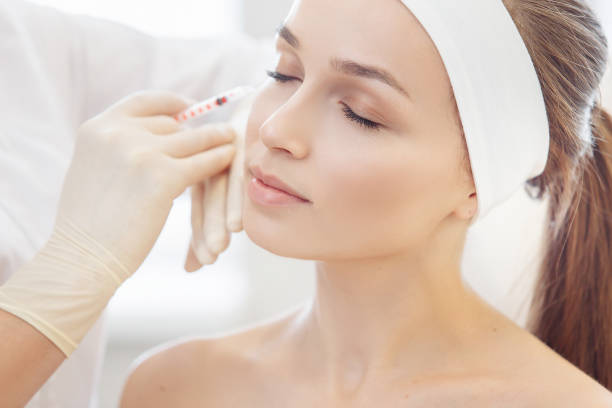
Preventative Botox in Phoenix for refreshed look involves treating selected muscles before expression lines become deeply visible at rest.
People often call this “baby Botox,” although that phrase usually refers to conservative dosing rather than a different product.
Preventative treatment may appeal to patients in their late 20s or 30s who:
- Already see early expression lines
- Have strong forehead or frown muscles
- Squint frequently
- Have a family tendency toward deeper lines
- Want to preserve movement while reducing repetitive folding
There is no universal age when everyone should start.
Some people have noticeable dynamic lines in their 20s. Others do not need treatment until much later. The decision should be based on facial movement and personal goals, not social pressure or a birthday.
Preventative Botox does not stop aging. It may help slow the process of dynamic lines becoming static by reducing repeated creasing.
How Much Does Botox Cost in Phoenix?
Botox pricing in Phoenix is commonly calculated per unit, although some practices charge by treatment area.
General Valley pricing often falls around $10 to $15 or more per unit, but current pricing varies by provider, expertise, promotions, and location.
A complete upper-face treatment may use approximately 40 to 60 units or more, depending on:
- Muscle strength
- Number of areas
- Desired movement
- Facial anatomy
- Previous response
- Product used
These are broad estimates, not a quote.
The lowest unit price does not always equal the best value. A poorly planned treatment may require correction, leave the brows unbalanced, or create a result that does not fit your face.
At Skin Theory Aesthetics, exact pricing is discussed after evaluating your anatomy and goals.
Botox vs. Jeuveau
Botox and Jeuveau are both botulinum toxin type A neuromodulators.
They work through the same general mechanism by reducing signals to selected muscles.
Botox
Botox has a long history of cosmetic and medical use and broad name recognition.
Jeuveau
Jeuveau was developed for aesthetic use and is sometimes called “Newtox.” Some patients prefer its onset, feel, or pricing.
Which One Is Better?
There is no single winner for every patient.
Your response may depend on:
- Treatment area
- Muscle strength
- Previous experience
- Personal preference
- Budget
- Duration
- Injector recommendation
Both can create natural-looking results when used thoughtfully.
Botox vs. Dermal Filler
Botox and filler are often confused, but they are not interchangeable.
Botox Is Best Suited For:
- Forehead lines
- Frown lines
- Crow’s feet
- Other movement-related wrinkles
Dermal Filler Is Best Suited For:
- Lost volume
- Hollow areas
- Lip enhancement
- Selected facial contours
- Certain folds or depressions
Some patients benefit from both.
Others need only one. A provider should not recommend filler for a line caused mainly by muscle movement or Botox for a hollow caused by volume loss.
Can Botox Be Combined With Other Treatments?
Yes. Botox is often one part of a broader skin and aesthetic plan.
It may be combined or carefully sequenced with:
- SkinPen Microneedling
- Vybe RF Microneedling
- Chemical peels
- VI Peel
- Subnovii Plasma Pen
- Medical-grade skincare
- Dermal filler
For example:
- Botox can soften expression lines.
- RF microneedling can support collagen and firmness.
- SkinPen can improve texture and acne scars.
- VI Peel can address pigmentation and dullness.
- Skincare can protect and maintain the skin between appointments.
The best plan does not necessarily include everything.
It includes the treatments that address the actual causes of your concerns.
Common Botox Mistakes to Avoid
Botox is common, but it should not be treated casually.
Avoid these mistakes:
Choosing an Injector Based Only on Price
Product cost is only one part of treatment. Anatomy knowledge, judgment, and restraint influence the result.
Treating Every Line the Same Way
Some lines come from movement. Others come from volume loss, pigmentation, dehydration, or skin laxity.
Asking for Someone Else’s Dose
Your friend’s ideal number of units may be completely wrong for you.
Scheduling Too Close to an Event
Botox needs time to settle, and bruising is possible. Schedule at least two weeks before an important event when possible.
Expecting Immediate Results
The treatment often needs up to 14 days to reach its final effect.
Chasing Complete Immobility
More product is not always better. Preserving natural expression often creates a more attractive result.
Ignoring Skincare and Sunscreen
Botox treats muscle movement. It does not replace a healthy skincare routine.
Is Botox Safe?
Botox Cosmetic has a long clinical history and is FDA approved for selected cosmetic treatment areas.
When administered by a qualified medical professional, it is generally well tolerated.
Common temporary effects may include:
- Redness
- Tenderness
- Bruising
- Headache
- Small bumps at injection sites
Less common risks may include:
- Uneven results
- Brow heaviness
- Eyelid drooping
- Dry eye or tearing
- An unintended change in nearby muscle movement
Rare but serious effects require immediate medical attention.
No cosmetic procedure is risk-free. Choosing a medically trained injector and providing an accurate health history helps reduce unnecessary risk.
Why Provider Experience Matters
The syringe is not making the decisions.
A qualified injector must understand:
- Facial anatomy
- Muscle balance
- Brow support
- Eyelid position
- Product dosing
- Injection depth
- Symmetry
- Contraindications
- Complication management
- Natural facial movement
Heather Starks, PA-C is a board-certified Physician Assistant with medical and advanced aesthetic training.
Her style is calm, precise, and personal. She listens to how patients want to look and, equally important, how they do not want to look.
At Skin Theory Aesthetics, the goal is not obvious treatment.
It is a refreshed expression that still feels like you.
Age Gracefully Without Losing Expression
Botox can be a valuable tool for softening wrinkles, but it is not meant to erase personality.
A face should still smile.
Brows should still communicate.
Eyes should still light up when you laugh.
The artistry lies in reducing unnecessary tension without flattening the character of the face.
For Phoenix patients dealing with forehead lines, “11s,” or crow’s feet, Botox offers a quick, customizable way to look smoother and more rested with little disruption to daily life.
If you are considering Botox in Phoenix, schedule a personalized consultation at Skin Theory Aesthetics near the Camelback Corridor.
Heather Starks, PA-C will assess your facial movement, explain your options, and recommend a treatment plan centered on safety, balance, and natural-looking results.
Frequently Asked Questions
What does Botox do to wrinkles?
Botox temporarily reduces signals to targeted facial muscles. With less contraction, the skin above those muscles folds less forcefully, which softens dynamic wrinkles.
Does Botox fill wrinkles?
No. Botox relaxes muscles. Dermal fillers add volume beneath the skin.
How long does a Botox appointment take?
The injections often take approximately 10 to 20 minutes after consultation and facial mapping.
When will I see Botox results?
Many patients notice early changes within three to five days. Full results usually settle within seven to fourteen days.
How long does Botox last?
Results commonly last three to four months, although duration varies by patient and treatment area.
Can I exercise after Botox?
Most providers recommend avoiding strenuous exercise for the rest of the day or approximately 24 hours. Follow your injector’s specific instructions.
Why does Botox wear off faster for some people?
Metabolism, muscle strength, treatment area, dose, activity level, and individual response can all influence duration.
Will Botox make my face look frozen?
It should not when the dose and placement are customized appropriately. Conservative treatment can soften lines while preserving natural expression.
Is Botox safe?
Botox Cosmetic is FDA approved for selected cosmetic uses and has a long safety history. It should be administered by a qualified medical professional after reviewing your health history.
What are common Botox side effects?
Temporary redness, tenderness, bruising, headache, or small injection-site bumps may occur. More significant complications are uncommon but possible.
When should I start preventative Botox?
There is no required age. Some patients begin in their late 20s or 30s when dynamic lines start lingering. Treatment should be based on facial movement and personal goals.
How many Botox units do I need?
The amount depends on your anatomy, muscle strength, treatment areas, and desired movement. A consultation is necessary for an accurate recommendation.
How much does Botox cost in Phoenix?
Phoenix Botox pricing is often calculated per unit and may commonly range around $10 to $15 or more per unit. Your exact total depends on the number of units and areas treated.
Is Botox different from Jeuveau?
Both are botulinum toxin type A neuromodulators. They work similarly but differ in formulation, branding, pricing, and how individual patients respond.
Can Botox treat static wrinkles?
It may soften static wrinkles by reducing repeated movement, but deeper resting lines may also require skincare, resurfacing, microneedling, or filler.
Can I combine Botox with SkinPen or RF microneedling?
Yes. Botox targets muscle movement, while microneedling treats skin texture and collagen. Your provider will create a safe treatment schedule.
Can I wear makeup after Botox?
Many patients can apply makeup later the same day if they use gentle pressure and avoid rubbing the injection sites. Follow your provider’s advice.
Can I get Botox while pregnant or breastfeeding?
Botox is generally avoided during pregnancy and breastfeeding because adequate cosmetic safety data is limited.
How far ahead of an event should I schedule Botox?
Plan treatment at least two weeks before an event. This gives the product time to settle and allows minor bruising to resolve.
Does Botox help sun damage?
No. Botox treats muscle-related wrinkles. Chemical peels, VI Peel, microneedling, and medical-grade skincare may be better suited to pigmentation or texture caused by sun exposure.
The original draft and supplemental content were reviewed and incorporated into this expanded version.