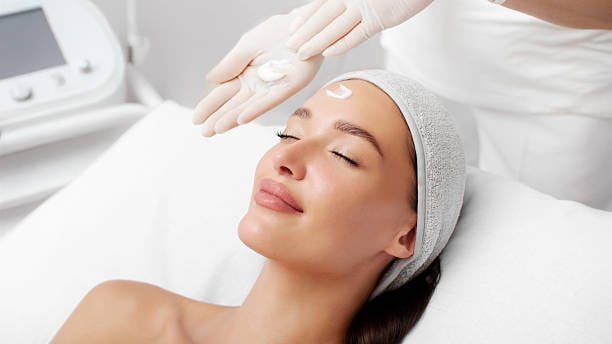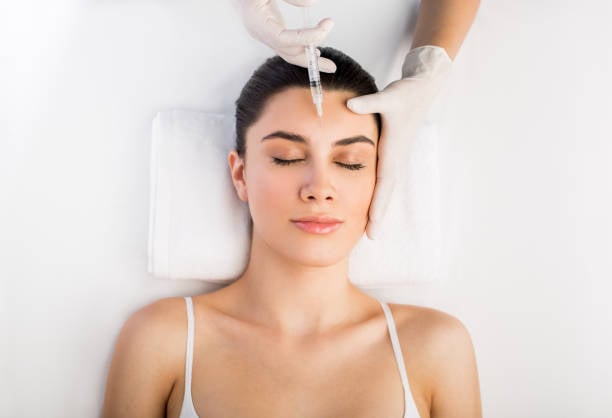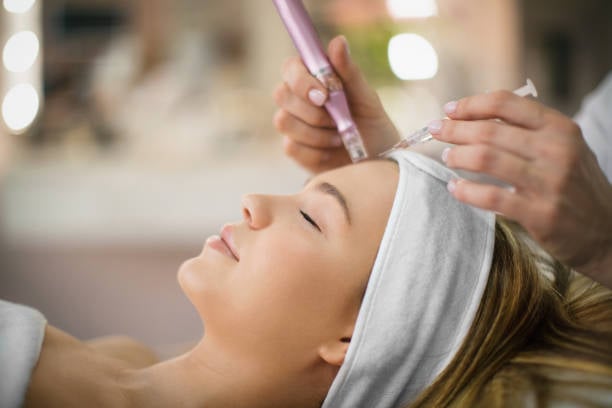
“Skincare near me” searches are growing in Phoenix because residents want convenient, medically guided care for sun damage, dryness, pigmentation, acne, and visible aging. When choosing a local provider, look for licensed medical oversight, transparent credentials, personalized treatment plans, proven technology, realistic recommendations, and ongoing support for both in-office treatments and home skincare. Searching for …
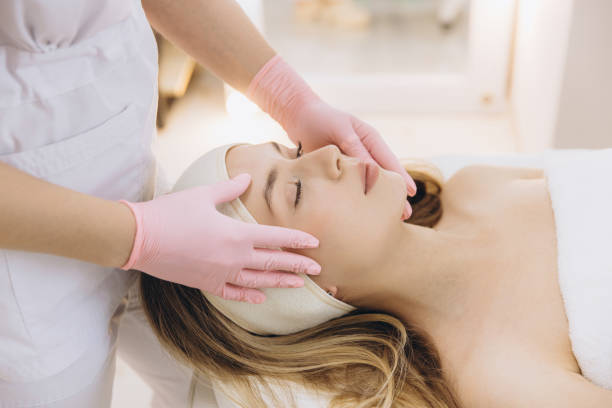
“Skincare near me” searches are growing in Phoenix because residents want convenient, medically guided care for sun damage, dryness, pigmentation, acne, and visible aging. When choosing a local provider, look for licensed medical oversight, transparent credentials, personalized treatment plans, proven technology, realistic recommendations, and ongoing support for both in-office treatments and home skincare.
Searching for skincare used to mean walking through the beauty aisle and choosing the bottle with the most convincing label.
That has changed.
People are learning that persistent pigmentation, acne scars, fine lines, skin laxity, and rough texture often require more than another serum. They want guidance from someone who can evaluate the skin, explain what is actually causing the concern, and recommend a plan that makes sense.
That helps explain why searches such as “skincare near me,” “medical spa near me,” and “best med spa in Phoenix” have become so common.
Convenience is part of it. Trust is the bigger piece.
When someone is treating your face, using an injectable, or creating a controlled injury to stimulate collagen, you want more than a beautiful lobby and a popular social media account. You want credentials, good judgment, clear communication, and a provider who listens before recommending anything.
At Skin Theory Aesthetics in Phoenix, Heather Starks, PA-C offers personalized, medically guided treatments focused on healthy skin, natural beauty, and results that still look like you.
Why Phoenix Residents Are Looking for Local Skincare Experts
Phoenix creates a unique combination of skin concerns.
The sunshine and outdoor lifestyle are part of the appeal of living in the Valley, but the desert climate can be demanding. Strong ultraviolet exposure, high temperatures, low humidity, and constant movement between outdoor heat and indoor air conditioning all affect the skin.
Common concerns among Phoenix patients include:
- Sun spots
- Melasma
- Uneven pigmentation
- Dryness and dehydration
- Fine lines
- Collagen loss
- Rough texture
- Enlarged-looking pores
- Acne and post-acne marks
- Crepey or lax skin
A routine designed for a humid climate may not provide enough barrier support here. At the same time, aggressively exfoliating dry skin can create even more sensitivity.
That is why local experience matters.
A provider who regularly treats Phoenix skin understands that sun exposure, dehydration, pigmentation risk, and aftercare must be considered before recommending a chemical peel, microneedling session, injectable treatment, or home skincare routine.
Phoenix’s Desert Climate Makes Professional Care More Relevant
The skin barrier helps hold moisture in and keep irritants out.
Low humidity increases water loss from the skin, which can make the complexion feel tight, flaky, rough, or reactive. UV exposure also contributes to collagen breakdown, pigmentation, and premature aging.
These issues tend to build gradually.
You might first notice that makeup no longer sits as smoothly. Then a dark spot becomes harder to cover. Fine lines remain visible after your expression relaxes. A product that used to work suddenly feels too harsh or not effective enough.
Professional skincare services can help distinguish between concerns that look similar but need different solutions.
For example:
- Dullness may come from dead skin buildup.
- Roughness may come from dehydration or a damaged barrier.
- A dark mark may be melasma, sun damage, or post-acne pigmentation.
- A line may be caused by muscle movement, collagen loss, or dehydration.
- Enlarged pores may be connected to oil production, texture, or reduced skin support.
Treating the wrong cause can waste time and money. It can also irritate the skin.
Why Convenience Matters More Than It Seems
A nearby aesthetic practice is not only easier to visit once. It is easier to return to consistently.
Many professional skincare treatments work best as part of a planned series or maintenance schedule. Depending on the service, follow-up appointments may occur every few weeks, every few months, or several times per year.
A convenient Phoenix location makes it easier to:
- Attend a consultation
- Complete a recommended treatment series
- Return for follow-up
- Ask questions during recovery
- Maintain injectable results
- Adjust skincare seasonally
- Reevaluate your skin as it changes
Consistency is often the difference between trying treatments and building a real skincare plan.
Skin Theory Aesthetics is located near the Camelback Corridor at 2901 E. Camelback Road, Suite 200, Phoenix, AZ 85016, on the second floor. The location is convenient for patients in the Biltmore, Arcadia, Central Phoenix, Paradise Valley, and nearby communities.
What Is the Difference Between a Med Spa and a Day Spa?
The terms are sometimes used interchangeably, but they do not mean the same thing.
A Day Spa Typically Focuses On:
- Relaxation
- Traditional facials
- Massage
- Body treatments
- Surface-level skincare
- General beauty services
A Medical Spa May Offer:
- Botox and other neuromodulators
- Medical-grade chemical peels
- SkinPen Microneedling
- RF microneedling
- Plasma Pen treatments
- Advanced skin resurfacing
- Medical-grade skincare
- Treatments that affect deeper skin structures
A medical spa operates with medical oversight because these services require a deeper understanding of anatomy, contraindications, healing, dosing, infection prevention, and potential complications.
A relaxing experience is wonderful. It simply is not a substitute for clinical judgment when a treatment reaches beneath the skin’s surface.
What to Look for When Choosing a Medical Spa in Phoenix
A polished website can make almost any practice look impressive.
The real questions are what happens during consultation, who performs the treatment, and how recommendations are made.
1. Medical Leadership and Clear Credentials
Start by finding out who owns, oversees, and performs treatments.
Look for licensed professionals such as:
- Physicians
- Physician Assistants
- Nurse Practitioners
- Registered Nurses working within the appropriate medical structure
Credentials should be easy to find and clearly explained.
Heather Starks is a board-certified Physician Assistant with medical and advanced aesthetic training. Her background includes training in neuromodulators, dermal fillers, advanced injection techniques, and medical aesthetic procedures.
That clinical background matters because advanced skincare is not only about appearance. It also involves health history, medications, anatomy, healing, and safety.
2. A Real Consultation Before Treatment
A quality consultation should feel like a conversation, not a checkout process.
Your provider should ask about:
- Your primary concerns
- Previous treatments
- Current skincare products
- Medical history
- Allergies
- Medications and supplements
- Sun exposure
- Pigmentation history
- Sensitivity
- Downtime tolerance
- Upcoming events
- Budget
- Long-term goals
They should also examine the skin and explain what they see.
A clinic that recommends a package before assessing your face or skin is working backward.
3. Personalized Treatment Planning
No two patients age in exactly the same way.
One person may need hydration and barrier repair. Another may need collagen stimulation. Someone else may benefit from a peel, while a patient with a similar-looking concern may be a poor candidate for that same treatment.
A personalized plan considers:
- Skin type
- Skin tone
- Facial anatomy
- Muscle movement
- Severity of the concern
- Healing response
- Lifestyle
- Arizona sun exposure
- Desired level of change
The goal should never be to fit you into the service the practice wants to sell.
The goal is to identify the right treatment for the concern.
4. Natural-Looking Results
Aesthetic care should enhance your features, not overpower them.
Ask the provider how they approach:
- Facial movement
- Conservative dosing
- Symmetry
- Skin tone and texture
- Treatment progression
- Long-term maintenance
- Avoiding overcorrection
At Skin Theory Aesthetics, natural results are central to the treatment philosophy.
That means preserving expression, improving skin health, and helping patients look refreshed rather than obviously treated.
5. Evidence-Based Technology
Medical devices should not be chosen only because they are trendy.
A good provider should be able to explain:
- What the treatment does
- Which layer of the skin it affects
- What concern it treats
- Why it fits your skin
- How many sessions may be needed
- What downtime to expect
- What risks are involved
- What it cannot accomplish
Skin Theory Aesthetics offers several targeted options for Phoenix patients.
SkinPen Microneedling
SkinPen creates controlled microchannels that stimulate natural collagen production.
It may help improve:
- Acne scars
- Fine lines
- Uneven texture
- Enlarged-looking pores
- Overall skin quality
Vybe RF Microneedling
Vybe combines microneedling with radiofrequency energy for deeper collagen remodeling.
It may be recommended for:
- Skin laxity
- Acne scars
- Texture
- Fine lines
- Enlarged pores
- Crepey skin
Subnovii Plasma Pen
Subnovii uses targeted plasma energy for precise surface contraction and collagen stimulation.
Common treatment areas include:
- Upper eyelids
- Crow’s feet
- Fine lines around the mouth
- Small areas of laxity
- Crepey texture
Chemical Peels and VI Peel
Professional chemical peels support controlled exfoliation and cell turnover.
They may help with:
- Sun damage
- Pigmentation
- Melasma
- Acne
- Post-acne marks
- Dullness
- Rough texture
Botox and Jeuveau
Neuromodulators reduce selected muscle movement that contributes to dynamic wrinkles.
They are commonly used for:
- Forehead lines
- Frown lines
- Crow’s feet
- Other expression-related concerns
Each of these treatments solves a different problem.
A reputable provider will explain the difference instead of presenting them as interchangeable.
6. Honest Expectations
Good aesthetic treatment should come with realistic information.
You should understand:
- When results begin
- When results peak
- How many treatments may be needed
- How long results may last
- What downtime is normal
- What side effects are possible
- What maintenance may involve
- When a treatment may not be enough
Be cautious when a practice promises:
- Guaranteed results
- Permanent correction
- No risk
- Zero downtime for every patient
- Dramatic improvement after one session
- Surgical results without surgery
A trustworthy provider should be comfortable saying, “This may not be the right treatment for you.”
7. Before-and-After Photos That Feel Believable
Before-and-after images can be helpful when they show real results under consistent conditions.
Look for:
- Similar lighting
- Similar angles
- Similar facial expressions
- Real patients
- No obvious filters
- Clear treatment information
- Realistic changes
Extreme transformations may attract attention, but subtle, believable improvement often says more about provider skill.
8. Transparent Pricing
Pricing should be clear before treatment begins.
You should know:
- Whether a service is priced per unit, area, or session
- What is included
- Whether a series is recommended
- Whether package pricing is available
- Whether follow-up is included
- What maintenance may cost
The lowest price should not be the deciding factor.
Medical-grade products, authentic injectables, sterile supplies, professional devices, trained providers, proper storage, and medical oversight all affect the cost of safe care.
9. Thoughtful Home Skincare Guidance
In-office treatments are only part of the picture.
Your daily routine affects how well the skin heals, how long results last, and whether the same concerns keep returning.
A provider may recommend products containing:
- Antioxidants
- Retinoids
- Peptides
- Ceramides
- Growth factors
- Hyaluronic acid
- Pigment-supporting ingredients
- Broad-spectrum sunscreen
Medical-grade skincare is not automatically better simply because it costs more. The value comes from choosing ingredients and formulations that fit your skin and support your treatment plan.
You should understand why each product is recommended.
10. Ongoing Support and Follow-Up
A good provider does not disappear once the appointment ends.
Look for a practice that provides:
- Written aftercare
- Clear contact instructions
- Follow-up when appropriate
- Guidance if healing looks unusual
- Maintenance recommendations
- Adjustments based on your response
This is another reason proximity matters.
Having a trusted local skincare provider creates continuity. They get to know how your skin responds over time instead of starting from scratch at every visit.
Red Flags When Searching for “Skincare Near Me”
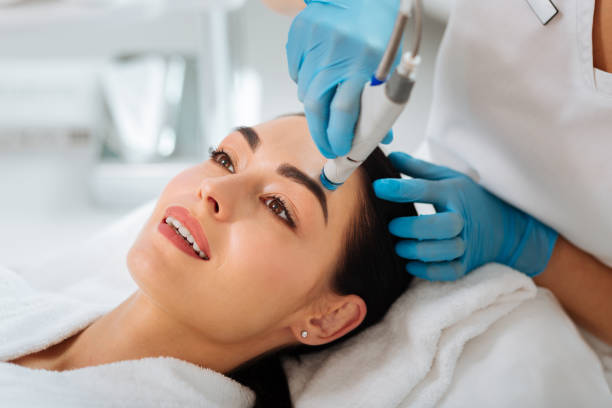
Knowing what to avoid is just as useful as knowing what to look for.
Unclear Provider Qualifications
Do not proceed if the practice cannot clearly tell you:
- Who will perform the treatment
- What license they hold
- What training they completed
- Who provides medical oversight
“Certified” can mean many things. Ask what the certification involved and whether the person holds an active medical license.
High-Pressure Sales Tactics
A consultation should help you make an informed choice.
Be cautious if the practice:
- Pushes you to buy immediately
- Creates artificial urgency
- Recommends many services before examining you
- Makes you feel insecure to close the sale
- Discourages questions
- Refuses to discuss alternatives
A good provider should create confidence, not anxiety.
Deals That Seem Too Good to Be True
Discounts are not automatically bad.
The concern is rock-bottom pricing that raises questions about:
- Product authenticity
- Device quality
- Provider experience
- Sterile technique
- Proper dosing
- Medical support
- Follow-up
A treatment involving your face should not feel like an impulse purchase from a coupon site.
Guaranteed or Instant Results
Biology is not perfectly predictable.
Two patients receiving the same treatment can heal differently. A professional can explain likely outcomes, but no ethical provider should promise identical or guaranteed results.
One Treatment for Every Concern
Be wary of a clinic claiming one device fixes everything.
Pigmentation, muscle movement, scars, volume loss, dehydration, and laxity involve different structures.
They often require different solutions.
Poor Explanation of Risks and Downtime
A provider should not hide recovery information to make a treatment easier to sell.
For example:
- RF microneedling may cause redness and swelling.
- Plasma Pen creates visible treatment dots.
- Medium-depth peels cause flaking or peeling.
- Injectables may bruise.
- Results may require more than one session.
Honesty helps you plan and prevents unpleasant surprises.
Lack of Sun-Safety Guidance
In Phoenix, this is a major red flag.
A practice offering resurfacing or collagen-stimulating treatments should discuss:
- UV exposure
- Sunscreen
- Timing
- Heat
- Pigmentation risk
- Outdoor activity
- Post-treatment protection
A technically successful treatment can still be undermined by poor aftercare in the Arizona sun.
What Results Can You Expect From Professional Skincare?
Professional skincare is not one single category.
Results depend on the treatment and concern.
With a thoughtful plan, patients may notice:
- Brighter skin
- Smoother texture
- Fewer visible acne marks
- More even pigmentation
- Softer expression lines
- Improved firmness
- More refined-looking pores
- Better hydration
- Healthier barrier function
Some results appear within days. Others build over several months as collagen develops.
A quality provider should tell you which type of improvement to expect and when.
How Often Should You Visit a Med Spa?
There is no universal schedule.
Frequency depends on your treatment plan.
Examples may include:
- Botox or Jeuveau every three to four months
- Microneedling in an initial series spaced several weeks apart
- Chemical peels every four to six weeks during a corrective series
- Maintenance peels several times per year
- Skincare reassessment as products or seasons change
- Annual or periodic collagen-maintenance treatments
You should not feel obligated to visit constantly.
The schedule should be based on your goals, treatment response, and budget.
Questions to Ask During a Med Spa Consultation
Bring questions. A good provider will welcome them.
Consider asking:
- Who will perform my treatment?
- What medical license and aesthetic training do they have?
- Why are you recommending this treatment?
- Are there other options?
- What concerns will it improve?
- What will it not improve?
- How many sessions may I need?
- What does recovery look like?
- What risks should I understand?
- Is this appropriate for my skin tone?
- How should I prepare?
- What should I avoid afterward?
- When will I see results?
- How long may results last?
- What will the total treatment plan cost?
The way a provider answers is often as revealing as the answer itself.
Benefits of Choosing a Trusted Local Phoenix Med Spa
A good local practice provides more than convenience.
It creates an ongoing relationship with someone who understands:
- Your skin history
- How you heal
- What products you tolerate
- Which treatments worked
- Which treatments did not
- Your preferred level of correction
- Your lifestyle
- Phoenix-specific environmental stress
That continuity may lead to better recommendations and fewer unnecessary treatments.
Other benefits include:
- Easier follow-up
- Convenient maintenance
- Faster access to aftercare guidance
- More consistent treatment planning
- A provider who sees how your skin changes over time
- Care tailored to Arizona conditions
What Makes Skin Theory Aesthetics Different?
Skin Theory Aesthetics is a boutique, owner-operated medical aesthetics practice led by Heather Starks, PA-C.
That means your care is personal.
Heather brings a calm demeanor, gentle hand, attention to detail, and medical training to each consultation. She takes time to listen, understand what is bothering you, and recommend options that support your natural features.
The focus is not on changing your face.
It is on helping you feel refreshed, confident, and comfortable in your skin.
Skin Theory Aesthetics offers personalized care for concerns such as:
- Expression lines
- Acne scars
- Uneven texture
- Sun damage
- Pigmentation
- Skin laxity
- Enlarged pores
- Dullness
- General skin health
Treatments may include Botox, Jeuveau, SkinPen Microneedling, Vybe RF Microneedling, Subnovii Plasma Pen, chemical peels, VI Peel, and medical-grade skincare.
Finding Skincare Near You Should Be About More Than Distance
The closest med spa is not necessarily the right med spa.
Location matters because consistency and follow-up matter. But medical credentials, communication, personalization, and provider judgment matter even more.
When you search “skincare near me in Phoenix,” look beyond the map results.
Read the provider’s background. Review the treatment philosophy. Pay attention to how the practice discusses results, risks, and downtime. Choose someone who makes you feel heard instead of rushed.
At Skin Theory Aesthetics, every treatment begins with a personalized consultation designed around your skin, your goals, and your comfort level.
Schedule a consultation with Heather Starks, PA-C at Skin Theory Aesthetics near the Camelback Corridor in Phoenix. Together, you can build a thoughtful plan for healthier skin and natural-looking results.
Frequently Asked Questions
Why do people search “skincare near me” instead of traveling farther?
Convenience makes it easier to attend consultations, complete a treatment series, receive follow-up care, and maintain results consistently.
What qualifications should a Phoenix medical spa have?
Look for medical oversight from a licensed physician, Physician Assistant, Nurse Practitioner, or other properly qualified medical professional. Confirm the credentials of the person performing your treatment.
What makes a med spa different from a day spa?
A med spa provides medical aesthetic treatments under appropriate clinical oversight. A day spa generally focuses on relaxation and surface-level beauty services.
How often should I visit an aesthetic practice?
It depends on the treatment. Some services require a series every four to six weeks, while injectables or maintenance treatments may be scheduled every few months.
Is medical-grade skincare worth the investment?
It can be when products are selected for your skin and contain effective, well-formulated active ingredients. The routine should be personalized rather than based only on price or branding.
Why is local Phoenix skincare expertise important?
Phoenix residents face strong UV exposure, low humidity, heat, and dehydration. A local provider can account for these factors when selecting treatments and planning aftercare.
How can I tell whether a med spa is reputable?
Look for clear credentials, medical oversight, personalized consultations, transparent pricing, realistic expectations, clean facilities, documented aftercare, and honest communication.
Are med spa treatments risky?
Every medical aesthetic procedure carries some risk. Qualified providers reduce risk through proper patient screening, training, sterile technique, customized settings, and clear aftercare.
What should happen during my first consultation?
Your provider should review your concerns, health history, medications, skincare products, treatment history, goals, and lifestyle before recommending a plan.
Should a med spa recommend treatment before examining my skin?
No. Recommendations should follow an evaluation. Be cautious if a clinic pushes a package or procedure without first assessing your skin and medical history.
Are discounted med spa treatments unsafe?
Not necessarily, but unusually low pricing can be a warning sign. Ask about the provider, product authenticity, device, medical oversight, and what is included.
What results can professional skincare provide?
Depending on the treatment, professional care may improve tone, texture, pigmentation, acne scars, fine lines, hydration, pores, and mild skin laxity.
How long do professional skincare results take?
Some treatments create brightness within days, while collagen-stimulating procedures may take several months to reach peak results.
Can professional skincare help with Arizona sun damage?
Yes. Chemical peels, microneedling, medical-grade skincare, and other personalized treatments may improve pigmentation, texture, and signs of photoaging.
What is the best med spa treatment for me?
The best treatment depends on the cause of your concern, your skin tone, medical history, goals, and downtime. A personalized consultation is the safest starting point.